


Let the Journey Begin
Cartagena is one of Colombia’s most captivating destinations.
Cartagena: The Walled City by the Sea
Introduction – A City of Color, History, and Caribbean Spirit
Few places in the world can match the romantic charm of Cartagena de Indias, Colombia’s crown jewel on the Caribbean coast. Known as “La Heroica” (The Heroic City), Cartagena is a mesmerizing mix of colonial beauty, tropical sunshine, and vibrant Afro-Caribbean culture.
With its pastel-colored walls, horse-drawn carriages, and the sound of salsa drifting through cobblestone streets, Cartagena feels like stepping into a living painting. Yet beyond the postcard-perfect facades lies a city with deep roots — a place shaped by centuries of history, resilience, and celebration.
This is Cartagena: The Walled City by the Sea, where time slows down, history comes alive, and every sunset feels like a love letter to the Caribbean.
The Story of the Walled City
Founded in 1533 by Spanish conquistador Pedro de Heredia, Cartagena quickly became one of the most important ports in the Spanish Empire. It was here that ships loaded with gold, silver, and emeralds departed for Spain — making Cartagena both wealthy and a frequent target for pirates and foreign invaders.
To protect it, massive stone walls and fortresses were built, transforming the city into one of the best-preserved colonial strongholds in the Americas. Today, those same walls that once kept enemies out now welcome travelers in — enclosing a historic city center that is a UNESCO World Heritage Site.
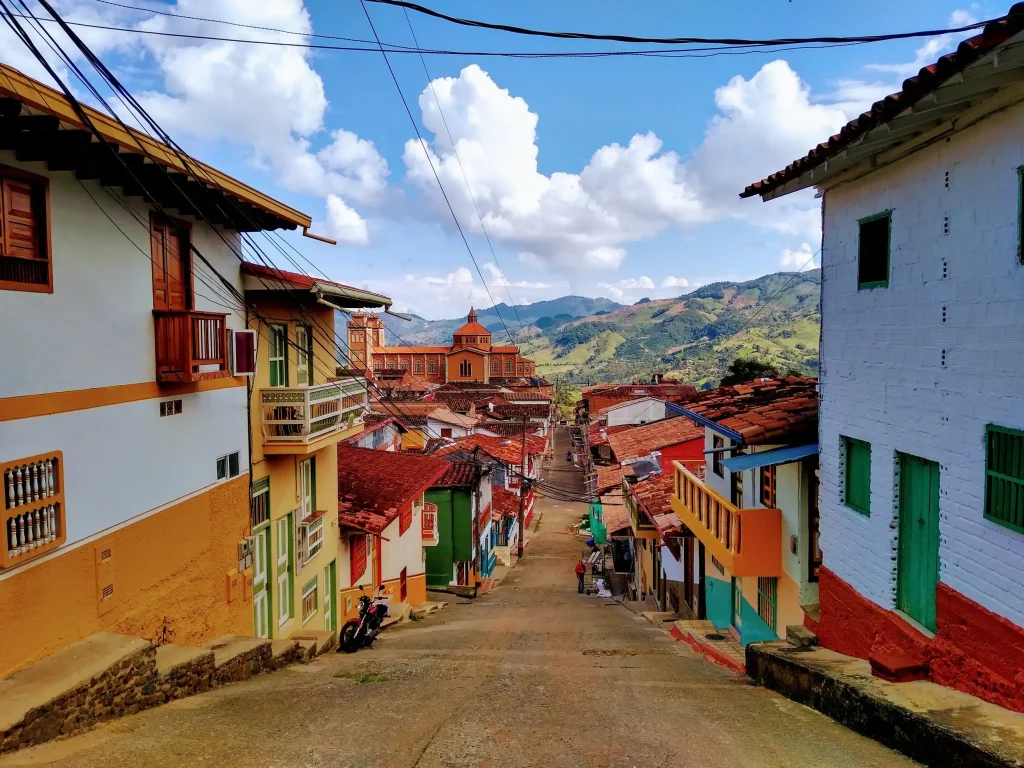
Wander through the narrow streets and you’ll find brightly painted houses adorned with wooden balconies, bougainvillea spilling over the railings, and hidden plazas where locals gather to chat or dance under the stars. The atmosphere is both timeless and electric.
Exploring the Walled City (Ciudad Amurallada)
Cartagena’s historic center — known locally as La Ciudad Amurallada — is the heart of its charm. Each street feels like a story, each doorway a work of art.
Top Places to Explore:
Plaza Santo Domingo: Lively day and night, this square is filled with outdoor cafés, street performers, and the iconic sculpture “La Gorda Gertrudis” by Fernando Botero.
Plaza de los Coches: Once the site of the slave market, this bustling plaza now hosts colorful fruit vendors and the famous Portal de los Dulces, where locals sell traditional sweets.
Plaza de la Aduana: The city’s oldest square, once used for customs and trade. Today it’s surrounded by colonial mansions and government buildings.
Calle de las Sombrillas: One of the most photographed streets in Cartagena, decorated with hanging umbrellas and vibrant murals.
Iglesia de San Pedro Claver: Dedicated to the patron saint of enslaved Africans, this church is both a spiritual landmark and a powerful reminder of Cartagena’s complex past.
Every corner of the Walled City feels cinematic — perfect for photographers, romantics, and anyone seeking that magical “old world meets Caribbean” feeling.
Getsemaní – The Soul of Cartagena

Just outside the historic walls lies Getsemaní, once a humble neighborhood of artisans and workers, now a symbol of Cartagena’s artistic rebirth.
Here, colorful murals cover the walls, music fills the air, and locals sit outside their doors in the evenings, chatting as they have for generations. Getsemaní’s charm lies in its authenticity — less polished, more alive.
Must-Visit Spots in Getsemaní:
Plaza de la Trinidad: The beating heart of the neighborhood, where locals and travelers gather every night for street food, live music, and dance.
Calle de las Tortugas & Callejón Angosto: Two of the most Instagram-famous alleys, decorated with art and flags representing Cartagena’s multicultural pride.
Street Art Tours: Join a local guide to explore the neighborhood’s murals and learn about the social stories behind them.

Getsemani embodies Cartagena’s essence — resilience, creativity, and celebration of diversity.
The Fortifications – Guardians of the Caribbean
Cartagena’s defensive system was one of the most advanced in the Spanish Empire, and much of it still stands proudly today.
Castillo San Felipe de Barajas
Built on San Lázaro Hill, this massive fortress offers panoramic views of the city and bay. Its labyrinth of tunnels and hidden chambers reveal Cartagena’s strategic brilliance. Climbing to the top at sunset rewards you with one of the best views in Colombia — the glowing skyline framed by the Caribbean Sea.


Las Murallas (The City Walls)
Stretching nearly 11 kilometers around the old city, these thick stone walls once protected Cartagena from pirate attacks. Today, they serve as the city’s most romantic walkway. Stroll along the ramparts at dusk as street vendors sell coconut water and couples sit hand in hand watching the sun dip into the sea.
Beaches and Islands – The Caribbean Dream
While Cartagena’s history may be its greatest treasure, its beaches and nearby islands provide the perfect tropical escape.
Bocagrande
Cartagena’s modern district lined with high-rise hotels, shopping centers, and beachfront restaurants. The beaches here are lively, perfect for people-watching and soaking in the local energy.

Playa Blanca (Barú Island)
A short boat ride away lies Playa Blanca, one of Colombia’s most famous beaches. Powdery white sand, turquoise waters, and a laid-back vibe make it a must-visit. For a quieter experience, stay overnight at one of the eco-lodges on Isla Barú.
Rosario Islands
A paradise archipelago just 45 minutes by speedboat from Cartagena. The Islas del Rosario are part of a national park known for coral reefs, snorkeling, and crystal-clear waters. Spend the day island-hopping or enjoy a luxury beach club experience at Isla Grande or Isla Cholón.
Tierra Bomba Island
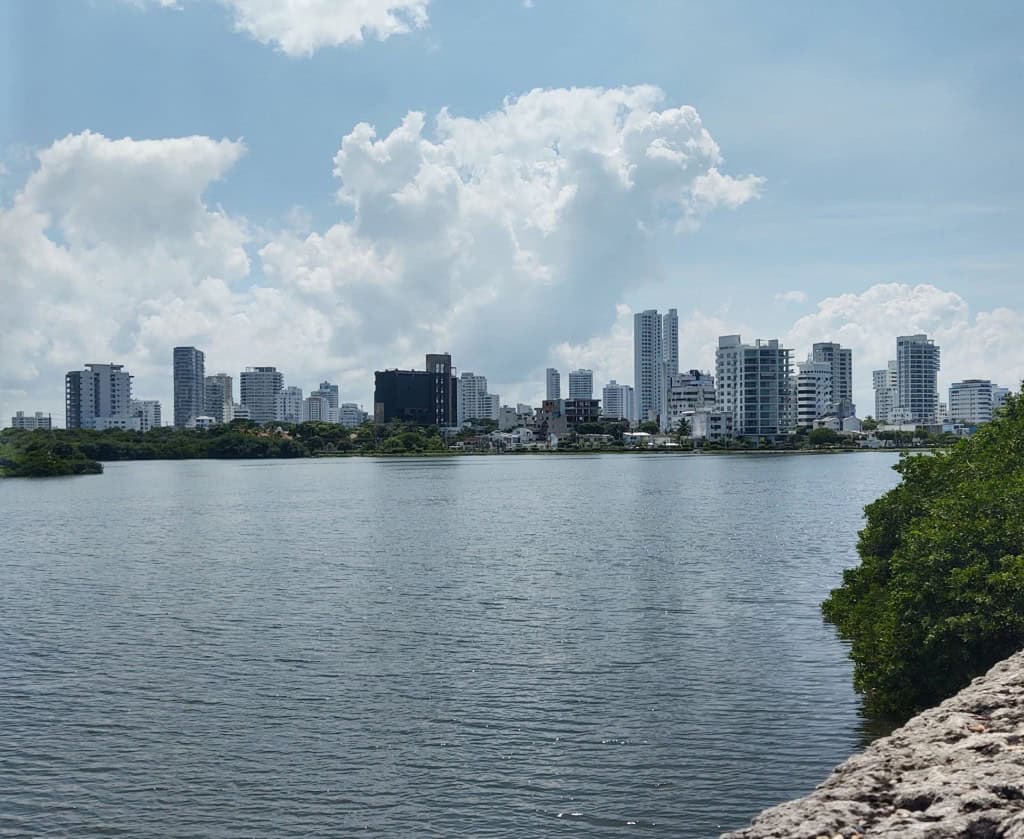
Closer to the city and great for a quick getaway, Tierra Bomba offers private beach clubs, restaurants, and views of Cartagena’s skyline.

The Rhythm of Cartagena – Music, Dance, and Celebration
Music is the heartbeat of Cartagena. You can hear it everywhere — from the rhythm of champeta blasting from corner speakers to the live salsa bands in colonial courtyards.
Champeta – The Sound of the Coast
Born in Cartagena’s Afro-Colombian communities, champeta blends African, Caribbean, and Colombian rhythms. It’s more than music — it’s a movement of cultural pride. Dance to it at local clubs like Bazurto Social Club or during city festivals.
Salsa and Live Music
Cartagena’s nights are alive with salsa, cumbia, and vallenato. Popular venues include:
Café Havana: A legendary salsa club in Getsemaní where the energy never stops.
Donde Fidel: A lively spot near the clock tower, perfect for people-watching and live Caribbean tunes.
Alquímico: A stylish three-story cocktail bar ranked among the world’s best, combining mixology, music, and social purpose.

Cartagena’s Culinary Scene – A Feast for the Senses
Cartagena’s cuisine reflects its cultural diversity — African, Spanish, and indigenous influences blend into a uniquely coastal flavor.
Signature Dishes to Try
Arepa de Huevo: A crispy fried corn cake stuffed with egg — a true Cartagena classic.
Ceviche Cartagenero: Made with shrimp, lime, onions, and a touch of ketchup — simple yet refreshing.
Posta Negra Cartagenera: Slow-cooked beef in a sweet and savory sauce made from panela (raw sugar) and spices.
Patacones: Twice-fried plantains served with cheese, hogao sauce, or seafood.
Coconut Rice: A must-try side dish that perfectly complements fish and seafood.

Where to Eat
La Cevichería: Famous after Anthony Bourdain’s visit — fresh, flavorful, and always packed.
Carmen Cartagena: A fine-dining experience that reimagines Colombian ingredients in creative ways.
La Mulata: Local favorite combining affordability with authentic Caribbean flavors.
Di Silvio Trattoria (Getsemaní): Great pizza and ambiance for a relaxing evening.
Festivals and Cultural Events
Cartagena loves a celebration, and its calendar is filled with festivals that showcase its joyful spirit.
Hay Festival (January): A literary and cultural event attracting global authors, journalists, and artists.
Cartagena International Film Festival (FICCI): The oldest film festival in Latin America, celebrating cinema from around the world.
Independence Day (November): A massive citywide party commemorating Cartagena’s independence, complete with parades, music, and color.
Romantic Cartagena – A City Made for Lovers

It’s no surprise that Cartagena ranks among the world’s most romantic cities. From sunset sails to candlelit dinners on colonial balconies, it’s the perfect place to fall in love — or simply fall in love with life again.
Top Romantic Experiences
Sunset on the City Walls: Watch the sun melt into the Caribbean from Café del Mar, cocktail in hand.
Horse-Drawn Carriage Ride: Glide through the cobblestone streets at night as lanterns light your way.
Private Dinner in a Colonial Courtyard: Many boutique hotels like Casa San Agustín and Anandá Hotel Boutique offer magical dining experiences under the stars.
Catamaran Cruise: Sail through Cartagena Bay at sunset for breathtaking views of the skyline and sea.

Modern Cartagena – Where the Past Meets the Present
While much of Cartagena’s charm lies in its colonial heritage, the city is also looking toward the future.
Areas like Bocagrande, Castillogrande, and El Laguito showcase luxury condominiums, modern restaurants, and a thriving expat scene.
The Convention Center area hosts international events, and nearby Serrezuela Mall — a restored bullring turned luxury shopping center — blends old-world architecture with modern sophistication.
Cartagena today is both a living museum and a vibrant metropolis, balancing preservation with progress.
Practical Travel Tips for Cartagena
Best Time to Visit: December to April offers sunny, dry weather — perfect for exploring and beach days.
Currency: Colombian peso (COP). ATMs are widely available but always use those inside banks or shopping centers.
Safety: The Walled City and Getsemaní are safe for tourists but avoid flashing valuables and use registered taxis or ride apps.
Dress Code: Lightweight, breathable clothing — it’s hot and humid year-round. Bring comfortable sandals and a hat.
Language: Spanish is the main language, but English is common in tourist areas.
Conclusion – The Eternal Allure of Cartagena
Cartagena is more than a city — it’s a feeling. It’s the rhythm of drums echoing in a plaza, the scent of sea salt in the air, the smile of a street vendor offering fresh mango slices.
It’s where cobblestone streets whisper colonial tales and the Caribbean breeze carries laughter late into the night.
Whether you come for the history, the beaches, the music, or the magic of its sunsets, Cartagena will stay with you long after you leave.
Because once you’ve walked its walls and felt its warmth, you’ll understand why this city truly is —
“The Walled City by the Sea.”
Check out more: Destinations – ColombiaVibe.com