

Let the Journey Begin
Medellín is one of Colombia’s most inspiring stories — from a turbulent past to becoming one of the most innovative, livable, and beautiful cities in Latin America.
Introduction – From Shadows to Sunshine
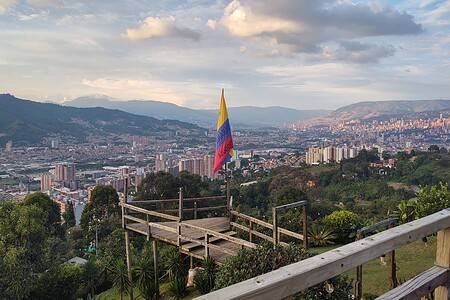
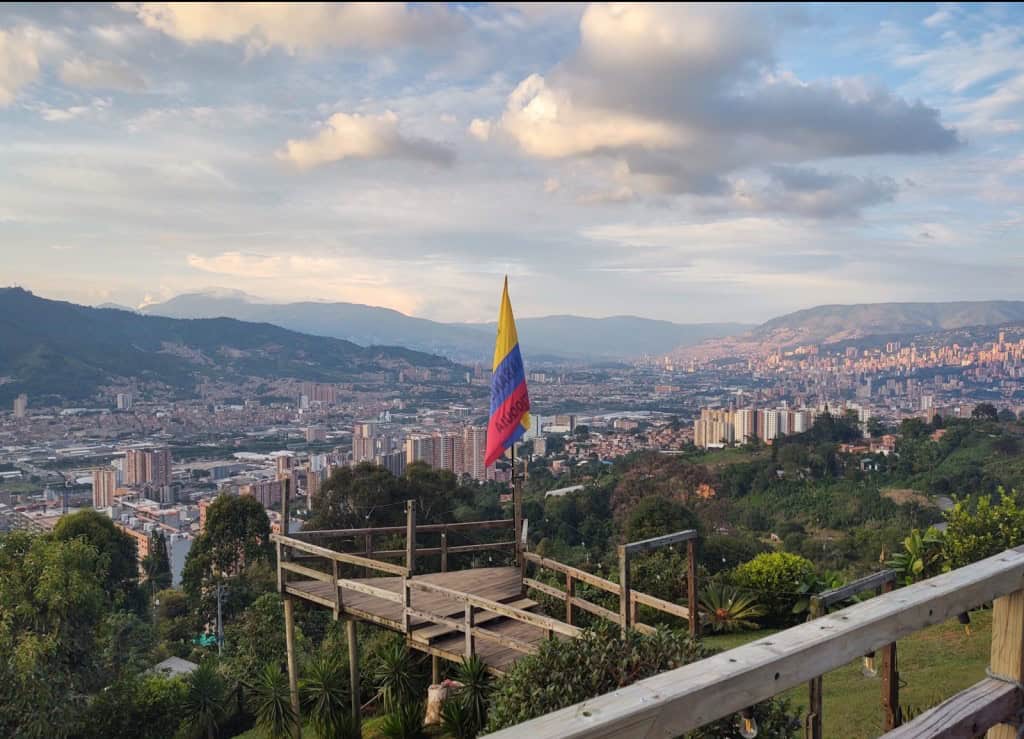
Nestled in the lush Aburrá Valley and surrounded by emerald-green mountains, Medellín is Colombia’s second-largest city and one of its greatest success stories. Once infamous for its turbulent history, Medellín has reinvented itself as a model of innovation, sustainability, and community transformation.
Known affectionately as the “City of Eternal Spring” (La Ciudad de la Eterna Primavera), Medellín enjoys mild, pleasant weather year-round, making it one of the most comfortable places in the world to live or visit.
But it’s not just the climate that draws people here — it’s the warmth of its people, the pulse of its culture, and the beauty of its constant rebirth. Medellín is a city that has learned to bloom again and again.
The Setting – A Valley of Life
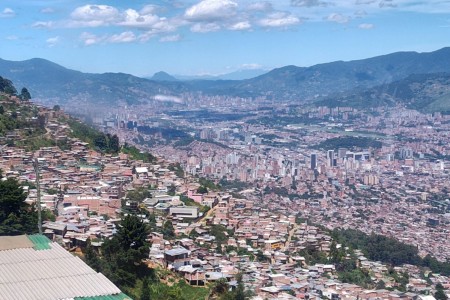
At an elevation of about 4,900 feet (1,495 meters), Medellín sits in the heart of the Andes Mountains in northwest Colombia. The city stretches along the Medellín River, with hills and cable cars connecting vibrant neighborhoods that seem to cling to the surrounding slopes.
From above, especially at night, Medellín sparkles — a cascade of lights spilling across the valley like a starry sky flipped upside down.
It’s easy to see why locals, known as paisas, take such pride in their city. Medellín feels alive — not just because of its natural beauty but because of the energy of its people.
A City Transformed
Medellín’s story is one of transformation. In the 1980s and 1990s, it was known as one of the most dangerous cities in the world. But through innovation, social programs, and resilience, Medellín has become a symbol of rebirth.
In 2013, it was named the “Most Innovative City in the World” by The Urban Land Institute — ahead of New York and Tel Aviv. Today, it’s a global example of how urban design and social inclusion can work together to build a better future.
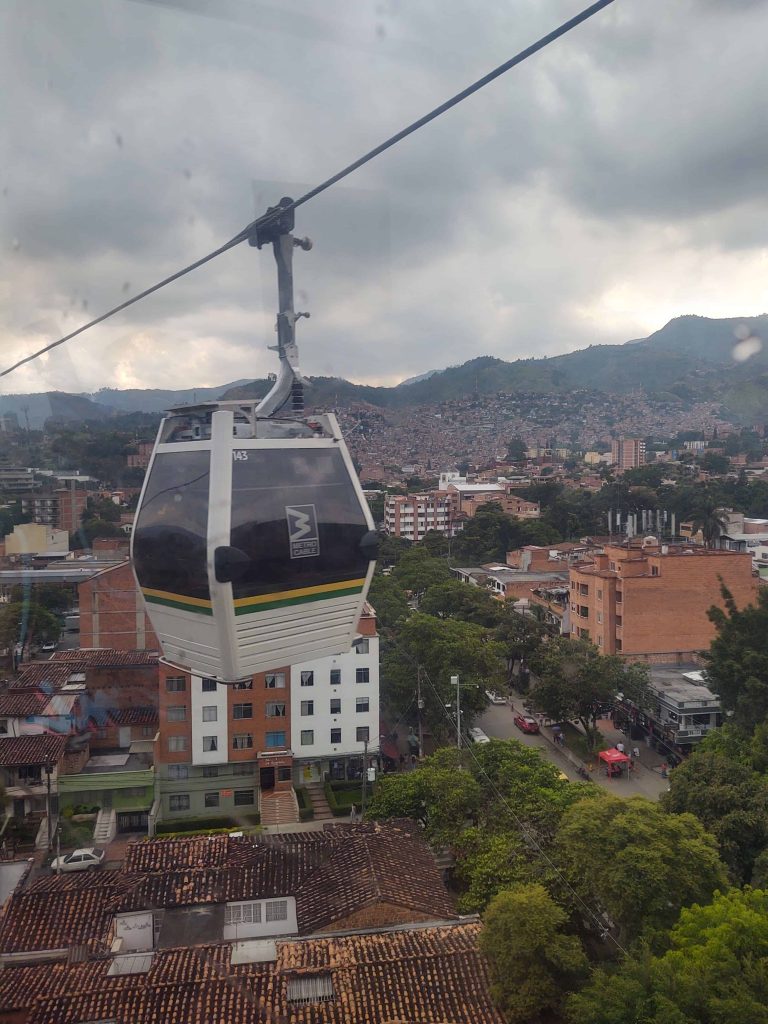
Projects like the Metrocable (cable cars linking poor hillside neighborhoods to the metro system), public libraries, and urban parks have reconnected communities and given residents new opportunities.

The message is clear: Medellín isn’t defined by its past — it’s inspired by its future.
El Poblado – Modern Medellín’s Beating Heart
For most travelers, El Poblado is the gateway to Medellín. It’s an upscale neighborhood known for its leafy streets, luxury hotels, international restaurants, and energetic nightlife.
Top Spots in El Poblado
Parque Lleras: The city’s nightlife hub — full of bars, lounges, and rooftop terraces where locals and travelers mingle.
Provenza: A trendy area packed with cafés, boutique shops, and high-end restaurants. It’s Medellín’s answer to Soho — artistic, green, and buzzing with style.
Calle 10: Great for shopping and casual dining, blending local charm with cosmopolitan flair.
El Poblado showcases Medellín’s modern, forward-looking side — safe, walkable, and filled with the city’s most innovative restaurants and design spaces.
Comuna 13 – A Story of Hope and Color


Perhaps no place represents Medellín’s transformation better than Comuna 13. Once one of the city’s most dangerous neighborhoods, today it’s a global symbol of resilience and artistic expression.
Colorful murals now cover the walls where violence once reigned, telling stories of pain, healing, and pride. Visitors can explore the area through guided graffiti tours led by locals who lived through its darkest days and now share its bright new chapter.


Don’t Miss:
Escalators of Comuna 13: Outdoor escalators that connect the hillside communities — an engineering marvel and a symbol of accessibility.
Street Art Tours: Learn the meaning behind murals that depict Medellín’s history and hope.
Local Music & Dance Shows: Experience the energy of hip-hop and breakdance performances that empower local youth.
Comuna 13 is proof that Medellín’s soul is rooted in creativity and community.

Plaza Botero and the Historic Center


At the heart of downtown Medellín lies Plaza Botero, an open-air museum featuring 23 bronze sculptures by the city’s most famous artist, Fernando Botero. His signature style — plump, exaggerated figures — is both playful and profound.
The plaza is surrounded by landmarks like the Museum of Antioquia, which houses Botero’s paintings alongside works by international artists. Nearby, the Palacio de la Cultura Rafael Uribe Uribe, with its striking Gothic Revival architecture, adds dramatic flair to the skyline.
Other Downtown Highlights:
Catedral Metropolitana: One of the largest brick churches in the world.
Parque Berrío: A bustling plaza that has been the city’s social center for centuries.
Junín Street: A pedestrian avenue lined with cafés, ice cream parlors, and stores — perfect for people-watching.
While downtown is busy and can feel chaotic, it’s also where Medellín’s historical heartbeat can still be felt.
Innovation and Urban Design
Medellín’s urban transformation is admired worldwide. The city has mastered the art of connecting people — literally and figuratively.
Metrocable
The Metrocable system was revolutionary when it launched in 2004. These cable cars connect low-income hillside communities with the city’s main metro lines, drastically cutting commute times and symbolizing social inclusion.
Parque Biblioteca España (Spain Library Park)
Though damaged in recent years, this striking architectural complex in Santo Domingo Savio remains a powerful symbol of education and renewal.
Parques del Río
A modern urban park project that reconnected the city with the Medellín River, adding green spaces, walkways, and cultural areas for families.
Medellín’s city planning blends technology, social awareness, and environmental harmony — earning it the nickname “The Smart City of South America.”
Nature and Outdoor Adventures
Despite being a bustling metropolis, Medellín is surrounded by nature. Locals take pride in their green spaces and the ability to escape into the mountains within minutes.
Arví Park (Parque Arví)
A massive ecological reserve accessible by cable car. It’s perfect for hiking, picnicking, and exploring local markets. The journey there alone offers stunning views of the valley.

Jardín Botánico
A peaceful botanical garden filled with orchids, butterflies, and tropical plants. It’s also home to the Orquideorama, a stunning architectural canopy that hosts concerts and events.
Cerro Nutibara and Pueblito Paisa
For panoramic views of the city, climb Cerro Nutibara and visit Pueblito Paisa, a charming replica of a traditional Antioquian village complete with colorful houses and cobblestone streets.
The People – Warm, Proud, and Welcoming
The people of Medellín — known as paisas — are some of the friendliest in Colombia. They are proud of their culture, their progress, and their city’s beauty.
Paisas are known for their entrepreneurial spirit, politeness, and warmth. Whether you’re asking for directions or sharing coffee with a local, you’ll quickly feel their hospitality.
Spanish dominates daily life, but many young people and hospitality workers speak English, especially in El Poblado and Laureles.
The Food Scene – Flavors of Antioquia
Medellín’s gastronomy blends traditional Antioquian dishes with modern culinary creativity.
Local Dishes to Try

Bandeja Paisa: The region’s signature dish — a hearty platter of rice, beans, chicharrón (crispy pork), fried egg, plantain, arepa, and avocado.
Arepa Antioqueña: Simpler and thinner than coastal versions, often served with butter and cheese.
Sancocho: A flavorful soup made with meat, yucca, plantain, and corn — a Sunday family favorite.
Empanadas Paisas: Fried golden pastries filled with meat and potatoes.

Top Dining Spots
Carmen: A fine-dining restaurant blending Colombian ingredients with international techniques.
Oci.Mde: Known for its wood-fired meats and modern takes on local classics.
Mondongos: A traditional restaurant loved by locals for its authentic paisa comfort food.
Al Alma Café: A cozy spot for coffee, brunch, and pastries.
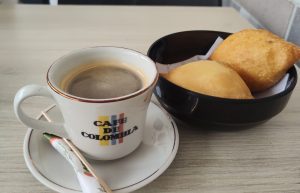
And of course, Medellín is a paradise for coffee lovers — visit local cafés like Pergamino or Rituales for some of the best brews in Colombia.
Festivals and Events
Medellín celebrates life with passion, and its festivals are legendary.
Feria de las Flores (Flower Festival)
Held every August, this is Medellín’s most famous celebration. It features parades, concerts, orchid exhibitions, and the iconic Desfile de Silleteros, where flower farmers carry massive floral arrangements on their backs through the streets.
Christmas Lights Festival (Alumbrados Navideños)
Every December, Medellín transforms into a wonderland of lights. The Alumbrados are world-renowned, attracting visitors from across the globe.
Festival Internacional del Tango
A nod to Medellín’s deep connection to tango — especially since the legendary Carlos Gardel died here in 1935.
These events reflect Medellín’s spirit — colorful, creative, and full of joy.
Nightlife – The Energy of the Andes
Medellín’s nightlife is as lively as its days are sunny.
Parque Lleras & Provenza
The heart of nightlife — filled with bars, clubs, and restaurants. You’ll find everything from salsa and reggaeton to electronic lounges and rooftop cocktail spots.
Laureles


A more local vibe — relaxed bars, live music, and microbreweries. Great for a casual evening among locals.
Skybars
Rooftops like Envy Rooftop (at The Charlee Hotel) offer breathtaking city views — especially stunning at sunset.
Whether you want to dance the night away or unwind with a drink overlooking the valley, Medellín has the perfect rhythm for every mood.
Day Trips from Medellín
Medellín’s location makes it perfect for exploring nearby towns and natural wonders.
Guatapé and El Peñol Rock
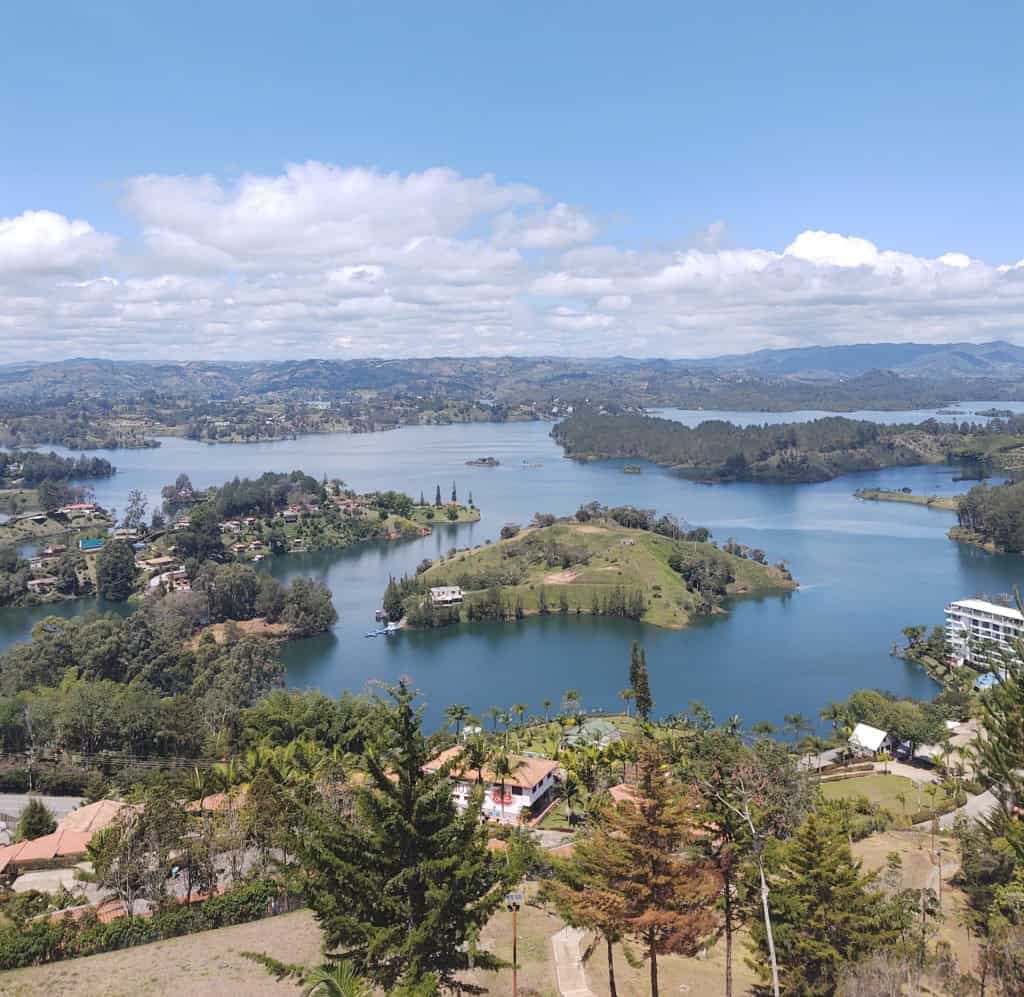
Just two hours away, this colorful lakeside town is a must-visit. Climb the 740 steps of El Peñol Rock for jaw-dropping panoramic views of turquoise lakes and rolling green hills.
The town of Guatapé itself is famous for its zocalos — brightly painted bas-reliefs that decorate every building.


Santa Fe de Antioquia
A colonial town with cobblestone streets and whitewashed houses, located about 90 minutes from Medellín. Don’t miss the Puente de Occidente, a historic suspension bridge over the Cauca River.
Coffee Tours
Visit nearby coffee farms in San Félix or Fredonia to learn about Colombia’s most famous export, from bean to cup.
Practical Tips for Visiting Medellín
Weather: Temperatures average between 72°F and 78°F (22°C–26°C) year-round. Pack light layers and a rain jacket for occasional showers.
Transportation: The Medellín Metro is clean, efficient, and safe. Use ride-hailing apps like InDriver or DiDi for convenience.

Safety: Medellín is safe for travelers, especially in El Poblado and Laureles, but stay alert and avoid flaunting valuables.
Altitude: At just under 5,000 feet, altitude is mild compared to Bogotá — easy to adjust to.
Best Time to Visit: December to March and July to August offer the best weather and major festivals.
Conclusion – Medellín’s Spirit of Renewal
Medellín is not just a destination — it’s a lesson in resilience. It’s a place that has turned its scars into art, its challenges into progress, and its hills into symbols of hope.
Here, innovation meets tradition, mountains meet modernity, and flowers bloom year-round — not just in gardens, but in the spirit of its people.
Whether you’re sipping coffee in a Provenza café, riding the Metrocable above red-roofed barrios, or dancing under the night lights of Parque Lleras, you’ll feel it — that unshakable optimism that defines Medellín.
This is Medellín: The City of Eternal Spring, where every day is a chance to start fresh, dream big, and bloom again.