


Santa Marta

Let the Journey Begin

What sets Santa Marta apart isn’t just its scenery—it’s the feeling it gives you. There’s a timelessness here, a connection between the mountains and the sea that seeps into daily life.

Vrbo


Santa Marta

Perched along Colombia’s glittering Caribbean coast, Santa Marta is a city where history, culture, and natural beauty converge in perfect harmony. As Colombia’s oldest surviving city and the second-oldest in South America, Santa Marta has stories carved into its colonial streets, but it’s also a living, breathing hub of adventure and relaxation.

Framed by the towering Sierra Nevada mountains on one side and the turquoise waters of the Caribbean on the other, Santa Marta is both a tranquil seaside retreat and a gateway to some of the country’s most breathtaking destinations—Tayrona National Park, Minca, and the Lost City (Ciudad Perdida).

If Cartagena is polished elegance and Medellín is innovation, Santa Marta is authenticity. It’s the perfect blend of beaches, culture, jungle, and history—all infused with that unmistakable Colombian Caribbean soul.


Where History Meets the Sea

Founded in 1525 by Spanish conquistador Rodrigo de Bastidas, Santa Marta is Colombia’s oldest city and the first Spanish settlement on the mainland of the Americas. Its strategic position made it a vital colonial port, linking the Caribbean trade routes to the treasures of South America.

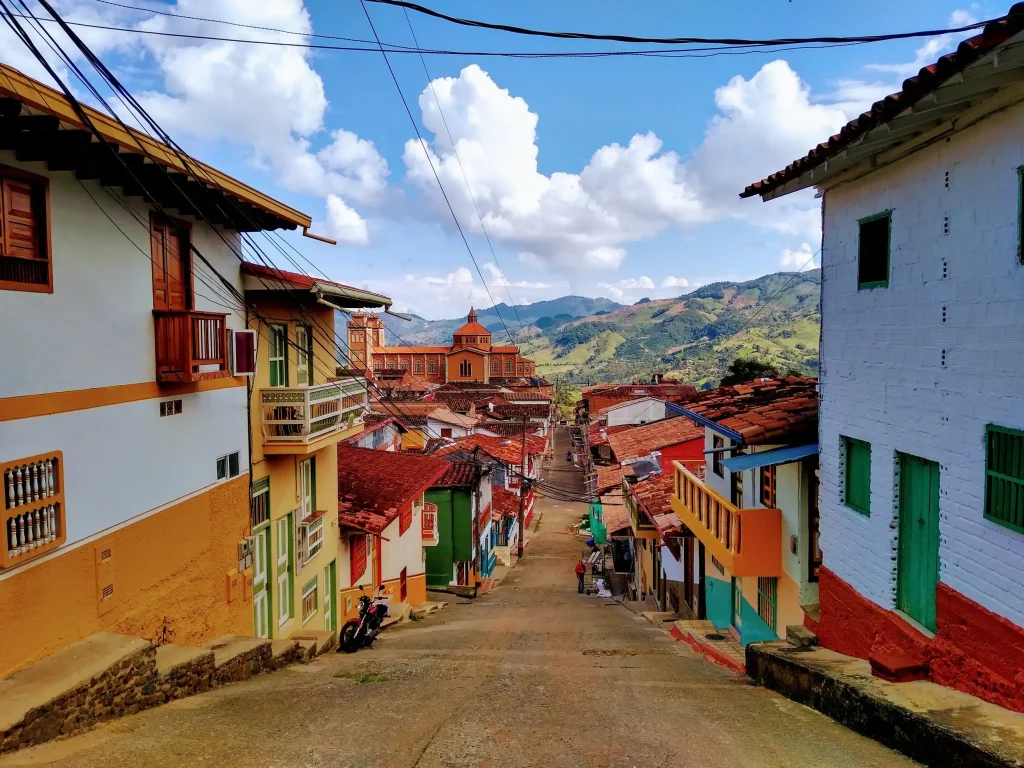
The city’s historic center still whispers of those days. Cobblestone streets wind past pastel-colored houses with wooden balconies, and the whitewashed Cathedral Basilica of Santa Marta stands as one of Colombia’s oldest churches. It’s also the resting place of Simón Bolívar, the Liberator of South America, who died nearby in 1830 at Quinta de San Pedro Alejandrino—now a museum and national monument surrounded by tropical gardens.

But Santa Marta isn’t trapped in the past. Its evolution has brought a mix of backpackers, luxury travelers, and digital nomads who come for the relaxed atmosphere, easy access to nature, and a slower, more soulful pace of life.

Santa Marta


The Natural Gateway: Mountains, Beaches, and Rainforests

What makes Santa Marta truly magical is its geography. It’s the only city in the world where snow-capped mountains plunge almost directly into the sea. The Sierra Nevada de Santa Marta, rising to nearly 5,700 meters (18,700 feet), is the highest coastal mountain range on Earth.

This diversity gives the region everything—lush rainforest, dry desert, waterfalls, cloud forests, coral reefs, and golden beaches—all within a few hours of each other. Whether you’re a nature lover, photographer, or adventurer, Santa Marta feels like a world within a city.


Top Things to Do in Santa Marta


1. Stroll Through the Historic Center

Start your visit in the Centro Histórico, where colonial charm meets Caribbean color. Brightly painted houses line narrow streets, and small plazas buzz with life. Don’t miss:

  • Parque de Los Novios (Lovers’ Park) – The social heart of the city, filled with restaurants, bars, and live music in the evenings.

  • Catedral de Santa Marta – Completed in 1766, it’s the oldest church in Colombia and houses Bolívar’s heart and organs.

  • Museo del Oro Tairona – A small museum showcasing the goldwork and culture of the indigenous Tairona civilization.

Stop at a café for a tinto (Colombian coffee) or a glass of fresh fruit juice and watch the world go by.


2. Visit Quinta de San Pedro Alejandrino

Just outside the city, this elegant 17th-century estate is where Simón Bolívar spent his final days. Today it’s a serene museum complex with colonial architecture, art galleries, and manicured gardens filled with palm trees and tropical flowers. History lovers will appreciate its significance, while everyone will enjoy its peaceful beauty.


3. Bask on the Beaches of Rodadero and Playa Blanca

Just a ten-minute drive from downtown Santa Marta, El Rodadero is the city’s main beach district—a lively area filled with resorts, seafood restaurants, and local vendors. The nearby Playa Blanca (reachable by a short boat ride) offers softer sand and clearer water, perfect for swimming and snorkeling.

If you want something quieter, head farther west to Taganga, a small fishing village turned backpacker haven, where sunsets over the bay are unforgettable.


4. Explore Tayrona National Park

No visit to Santa Marta is complete without a trip to Parque Nacional Natural Tayrona, one of Colombia’s crown jewels.

Just an hour from the city, this protected area of rainforest and coastline offers pristine beaches framed by jungle and huge granite boulders.
Highlights include:

  • Cabo San Juan del Guía – The park’s most famous beach, where you can hike through the jungle, swim, and even sleep in hammocks under the stars.

  • Arrecifes and La Piscina – Calmer beaches for swimming and snorkeling.

  • Pueblito Chairama – A small archaeological site that was once part of the ancient Tairona civilization.

The park limits daily visitors to preserve its fragile ecosystem, so go early and stay at least one night if possible—you’ll wake to the sound of howler monkeys and tropical birds.


5. Discover Minca – The Mountain Escape

High in the foothills of the Sierra Nevada, Minca is a peaceful village surrounded by waterfalls, coffee farms, and cloud forests. It’s about 45 minutes from Santa Marta but feels like another world.

You can tour coffee plantations like La Victoria, hike to Pozo Azul or Marinka Waterfalls, or relax in an eco-lodge overlooking the valley. Minca has become a favorite among digital nomads and travelers seeking cooler air and natural tranquility.


6. Trek to the Lost City (Ciudad Perdida)

For the adventurous, the Lost City Trek is one of South America’s most rewarding hikes. Hidden deep in the jungle, Ciudad Perdida predates Machu Picchu by centuries and was once the heart of the Tairona civilization.

The 4-to-6-day trek takes you through dense forest, rivers, and indigenous villages, with the final climb revealing the stone terraces of the Lost City shrouded in mist. It’s physically challenging but spiritually powerful—a true journey back in time.


7. Experience Taganga’s Bohemian Charm

Once a sleepy fishing village, Taganga has grown into a backpacker favorite known for diving schools, seafood, and sunset views. It’s also a great budget base for visiting Tayrona.

Despite its small size, Taganga buzzes with reggae bars and beachside grills where locals and travelers mingle over cold beers and Caribbean rhythms.


Culture and the Indigenous Connection

Beyond its beaches and bars, Santa Marta’s soul lies in its deep connection to the indigenous peoples of the Sierra Nevada—the Kogi, Arhuaco, Wiwa, and Kankuamo nations. These groups see the mountains as the “Heart of the World” and live according to spiritual principles of balance and harmony with nature.

Visitors can learn about their culture through guided tours or community projects near Minca and Tayrona. Respecting their traditions and land is essential, as the Sierra Nevada remains sacred territory to these ancient peoples.

The city’s culture also reflects a blend of indigenous, African, and Spanish influences. From vallenato music drifting from cafés to Afro-Caribbean dance rhythms, Santa Marta embodies Colombia’s multicultural heartbeat.


Island Flavors and Coastal Cuisine

Food in Santa Marta celebrates the abundance of both sea and land. Expect a fusion of coastal and Caribbean flavors—simple, fresh, and delicious.

  • Pescado frito (fried fish) served with coconut rice, patacones (fried plantains), and salad is the go-to meal on any beach.

  • Ceviche costeño, made with shrimp, lime, and spicy tomato sauce, is a perfect refresher after a hot day.

  • Try arepas de huevo (fried corn patties with egg inside) from street vendors.

  • Wash it all down with a limonada de coco (coconut lemonade) or fresh fruit juice.

For fine dining, Ouzo in Parque de los Novios is a must—Mediterranean flavors with local seafood. For beachside vibes, Burukuka above Rodadero offers panoramic views, cocktails, and live music.


Where to Stay in Santa Marta


Santa Marta has accommodations for every traveler:

Luxury

  • Hotel Boutique Don Pepe – A beautifully restored colonial mansion in the historic center with a rooftop jacuzzi.

  • Irotama Resort – A beachfront resort complex in Bello Horizonte with multiple pools, restaurants, and palm-fringed beaches.

Mid-Range

  • Casa de Leda, a Kali Hotel – Elegant and central, blending historic charm with modern comfort.

  • Hotel Catedral Plaza – Rooftop pool and ocean views, just steps from the cathedral.

Budget

  • Masaya Santa Marta – Popular with backpackers; has a pool, rooftop bar, and vibrant atmosphere.

  • La Villana Hostel – Colonial-style hostel with dorms, private rooms, and live music nights.

If you’re heading to Tayrona or Minca, consider spending a night in an eco-lodge or hammock cabin to fully embrace nature.


How to Get There

By Air:
Santa Marta’s Simón Bolívar International Airport (SMR) is about 20 minutes from the city center. It offers direct flights from Bogotá, Medellín, Cali, and Cartagena via Avianca, LATAM, and Viva Air.

By Bus:
Buses connect Santa Marta with nearby cities—Cartagena (4–5 hours) and Barranquilla (2–3 hours)—via coastal highway.

By Sea:
Though not a regular cruise stop, Santa Marta’s port occasionally welcomes private yachts and small cruise ships.


Best Time to Visit

Santa Marta enjoys tropical weather year-round, with average temperatures around 30°C (86°F). The dry season (December to April) is perfect for beach days and exploring Tayrona.

The rainy season (May–November) brings lush green landscapes and fewer crowds. If you love vibrant energy, visit during Fiestas del Mar in late July—Santa Marta’s annual Sea Festival featuring parades, music, and dance.


Practical Tips

  • Currency: Colombian Peso (COP)

  • Transportation: Taxis and moto-taxis are common; Uber operates intermittently.

  • Safety: The historic center and Rodadero are generally safe, but take normal precautions at night.

  • Eco-Tip: Use reef-safe sunscreen and avoid single-use plastics when visiting Tayrona or beaches.

  • Language: Spanish is predominant; some English is spoken in tourist areas.


Leave a Reply

Your email address will not be published. Required fields are marked *

Facebook Twitter Instagram Linkedin Youtube