
Traditional Colombian Food Guide
Traditional Colombian Food Guide: 14 Flavor-Packed Essentials for Every Traveler
Traditional Colombian food is a celebration of history, culture, and soul-warming flavors that reflect the country’s diverse landscapes. From hearty Andean soups to Caribbean fried fish and Pacific coconut dishes, Colombian cuisine is as rich and vibrant as the people who create it. Whether you’re traveling, living abroad, or simply curious about Colombian flavors, this guide will walk you through everything you need to know.
Traditional Colombian food is comforting, filling, and deeply rooted in Indigenous, African, and Spanish influences. It’s the kind of cuisine that brings families together and tells a story through every ingredient.
Introduction to Traditional Colombian Food
Why Traditional Colombian Food Is Unique
Colombia’s culinary identity comes from its geographic diversity. The country has mountains, jungles, oceans, and valleys—each inspiring different cooking styles. This means that the flavors of Medellín differ from Bogotá, which differ from Cali and Cartagena.
Traditional Colombian food is often:
Warm and hearty
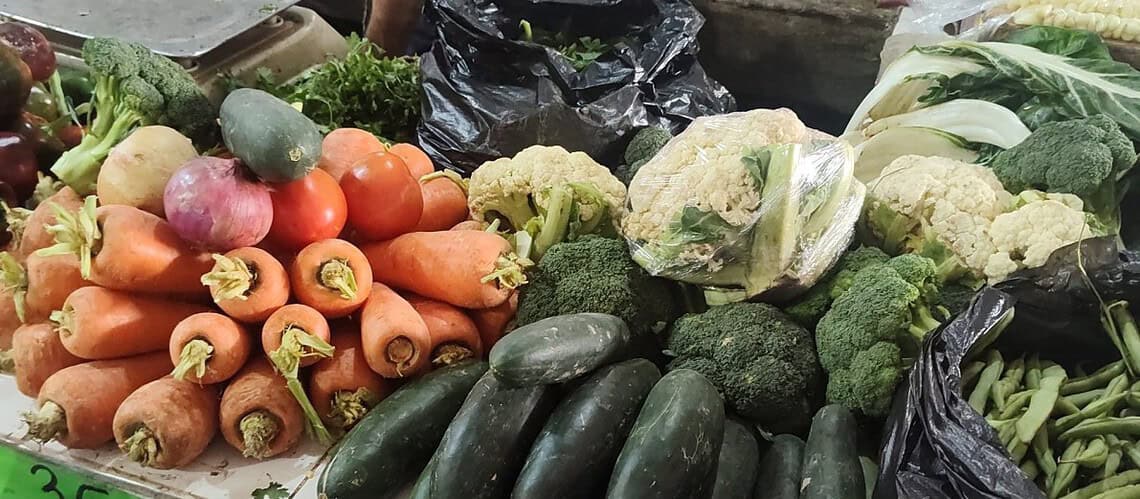
Fresh and locally sourced
Corn-based and plantain-rich
Seasoned with herbs, not heavy spices
Served with pride and shared with joy
Culinary Heritage, Regional Flavors, Ancestral Recipes
Every Colombian dish has a history behind it. Many recipes are passed from one generation to the next, keeping ancestral traditions alive.
Key Ingredients in Traditional Colombian Food
Corn, Plantains, Beans & Native Staples
Colombian cuisine heavily relies on:
Corn (for arepas, empanadas, tamales)
Plantains (fried, baked, or boiled)
Cassava (yuca)
Potatoes (over 4,000 native varieties)
Beans and rice
These staples form the base of everyday meals.
Proteins: Beef, Chicken, Pork, and Seafood
Coastal regions focus on:
Shrimp
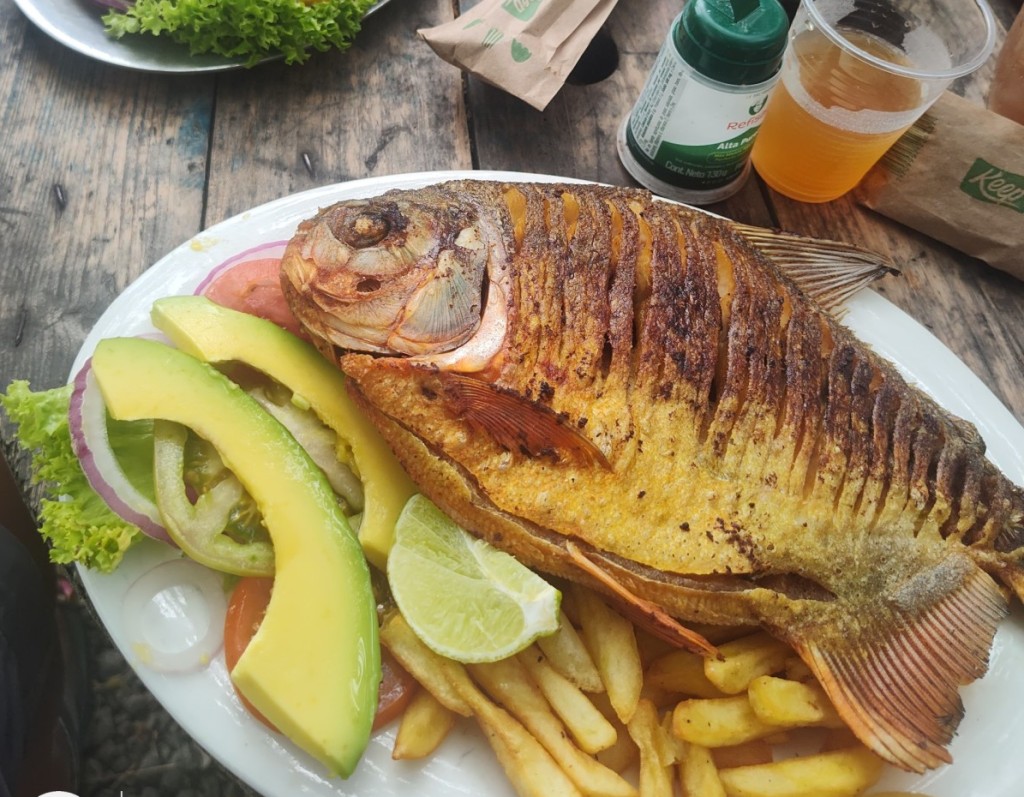
Mojarra
Tilapia
Coconut-infused fish stews
While Andean regions prefer:
Beef
Chicken
Pork
Native Crops and Tropical Produce such as guava, lulo, mango, papaya, and passion fruit add sweetness and acidity to dishes.
The Most Iconic Traditional Colombian Dishes
Below are Colombia’s legendary dishes that every traveler or expat should try.
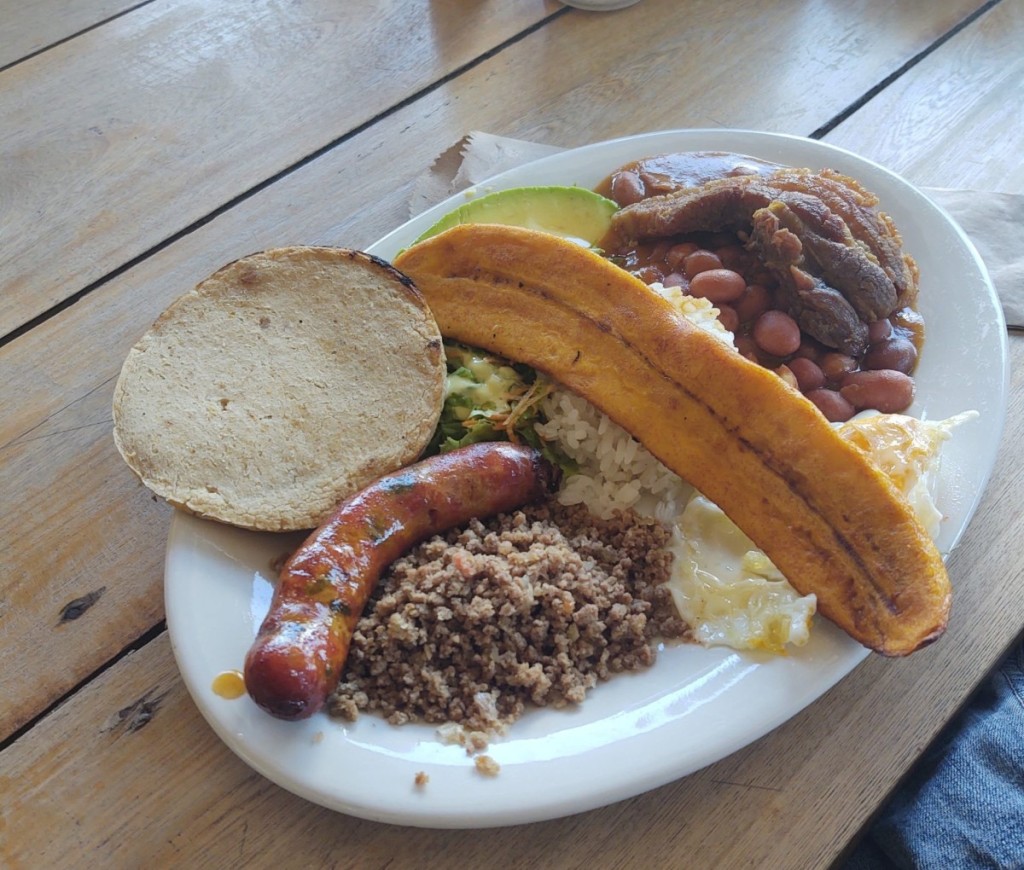
Bandeja Paisa
One of Colombia’s most famous meals. Originating in Antioquia, it’s a massive plate traditionally served with:
Grilled steak or ground beef
Chorizo
Fried egg
Arepa
Plantain
Rice & beans
Avocado
Chicharrón
It’s filling, bold, and represents Colombian hospitality.
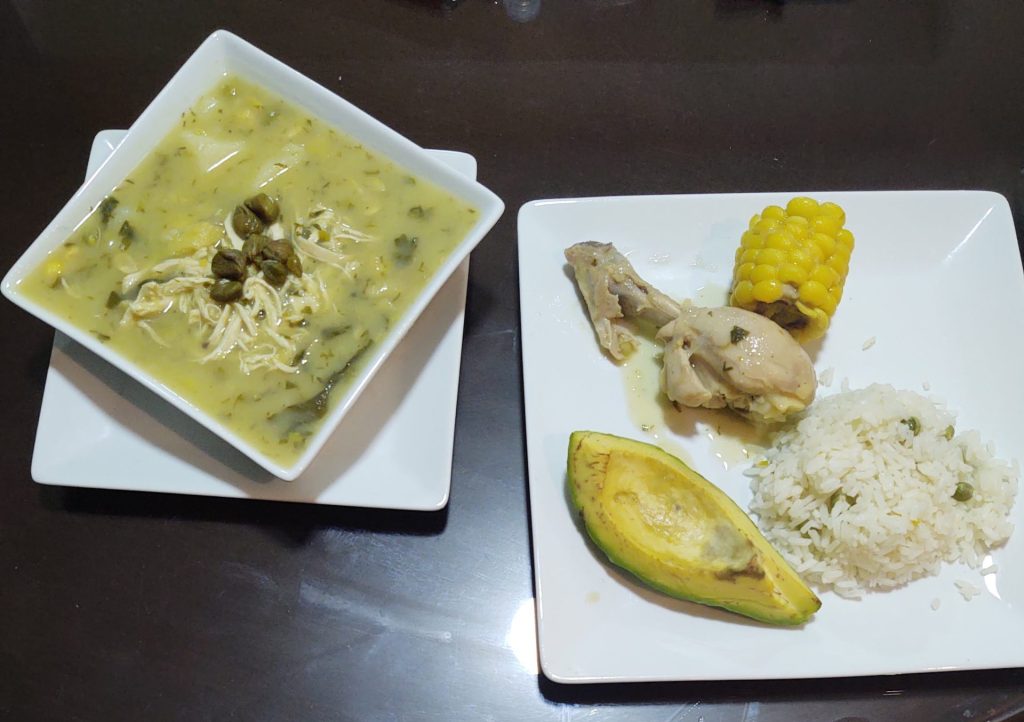
Ajiaco
Bogotá’s signature soup features:
Three types of potatoes
Chicken
Corn
Guasca herbs
Served with rice, avocado, and cream, it’s comfort in a bowl.
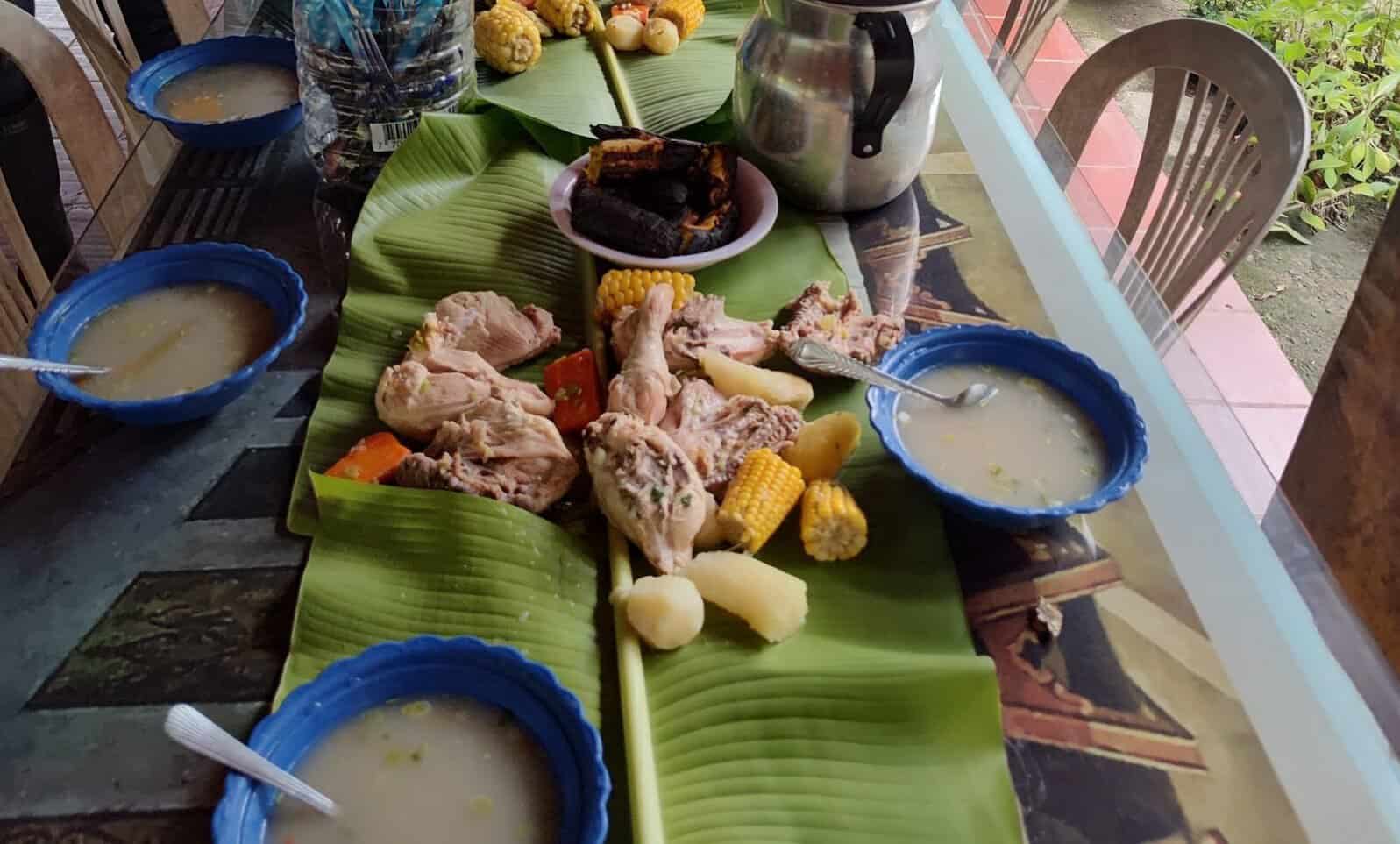
Sancocho
A beloved family dish made with:
Beef, chicken, or fish
Plantains
Yucca
Vegetables
Fresh herbs
Every region has its version.
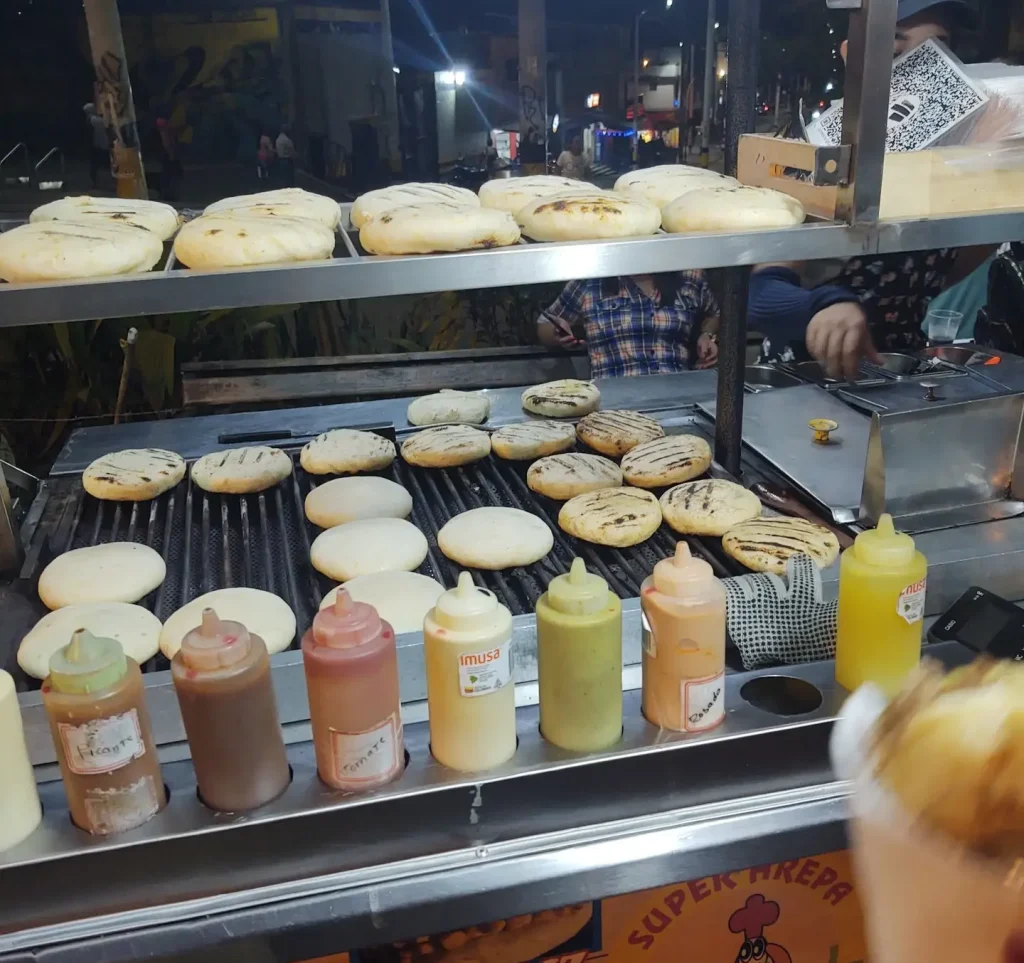
Arepas
The heart of Colombian cuisine. Each region has its type:
Arepa paisa (simple corn arepa)
Arepa de huevo (fried with egg inside)
Arepa boyacense (sweet & cheesy)
Empanadas
Crunchy corn pockets filled with:
Beef
Chicken
Potato
Cheese
Often served with spicy ají sauce.
Tamales Colombianos
Different from Mexican tamales, they include:
Corn masa
Vegetables
Chicken or pork
Wrapped in banana leaves
Colombia’s Regional Food Traditions
Antioquia (Paisa Region)
Known for:
Bandeja paisa
Arepa paisa
Fríjoles antioqueños
Bogotá & Andean Highlands
Colder regions favor warm soups:
Ajiaco
Changua
Tamales bogotanos
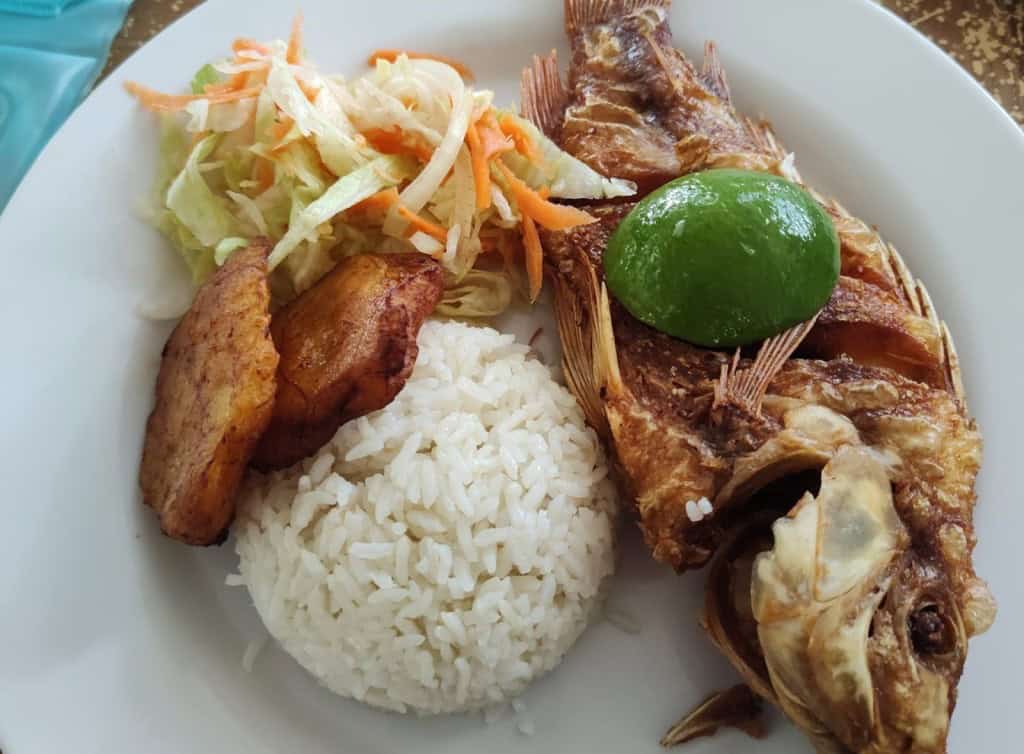
Caribbean Coast
Colorful, vibrant dishes like:
Coconut rice
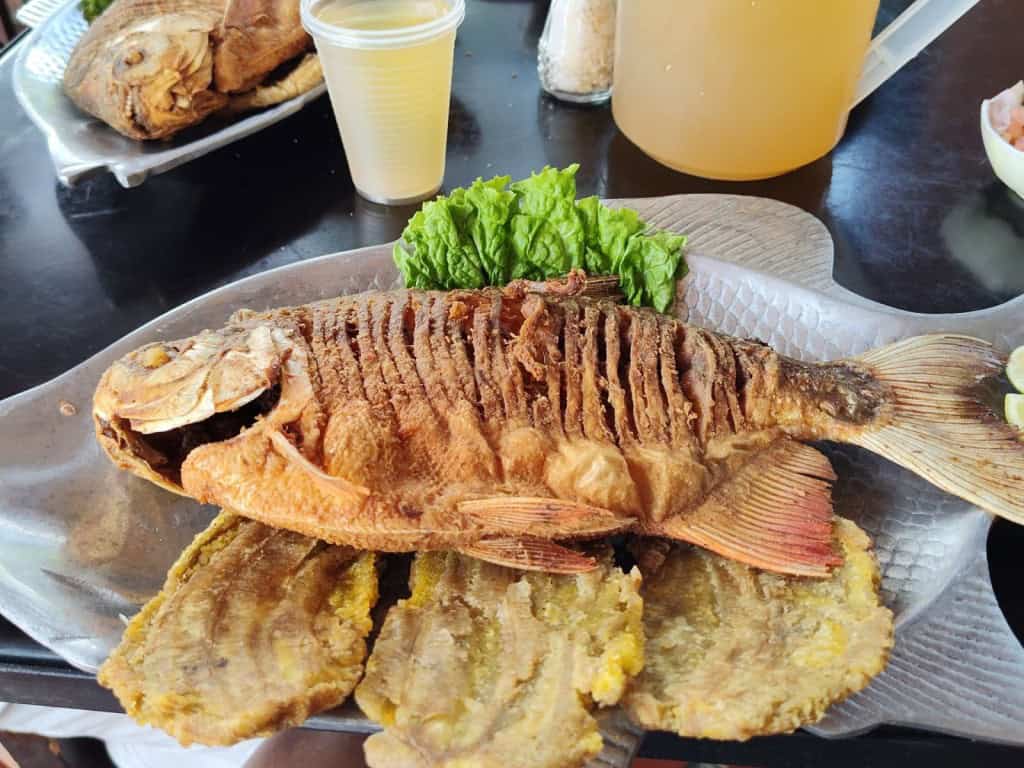
Fried fish
Arepa de huevo
Pacific Coast
Famous for:
Coconut milk stews
Seafood-heavy dishes
Afro-Colombian flavors
Valle del Cauca
Cali’s region brings:
Lulada
Pandebono
Sancocho valluno
Famous Soups and Stews of Colombia
Changua — Milk-based breakfast soup
Cazuela de mariscos — Coconut seafood stew
Caldo de costilla — Rib broth for cold mornings
These meals reveal Colombia’s love for comforting, slow-cooked dishes.
Colombia’s Best Traditional Snacks
Pandebono, Buñuelos & Almojábanas
Cheesy breads and doughy delights found in almost every bakery.
Arequipe & Sweet Street Treats
Colombians adore arequipe (similar to dulce de leche), used in:
Obleas
Cakes
Pastries
Traditional Colombian Desserts You Must Try
Desserts are essential to Colombian culture:
Obleas with arequipe
Natilla (Christmas favorite)
Arroz con leche
Merengón with fresh fruit
Colombian Drinks: More Than Coffee
Aguardiente, Canelazo, Champús, and Lulada
Colombia’s beverages include:
Sweet & tart lulada
Hot canelazo
Festive champús
The national spirit aguardiente
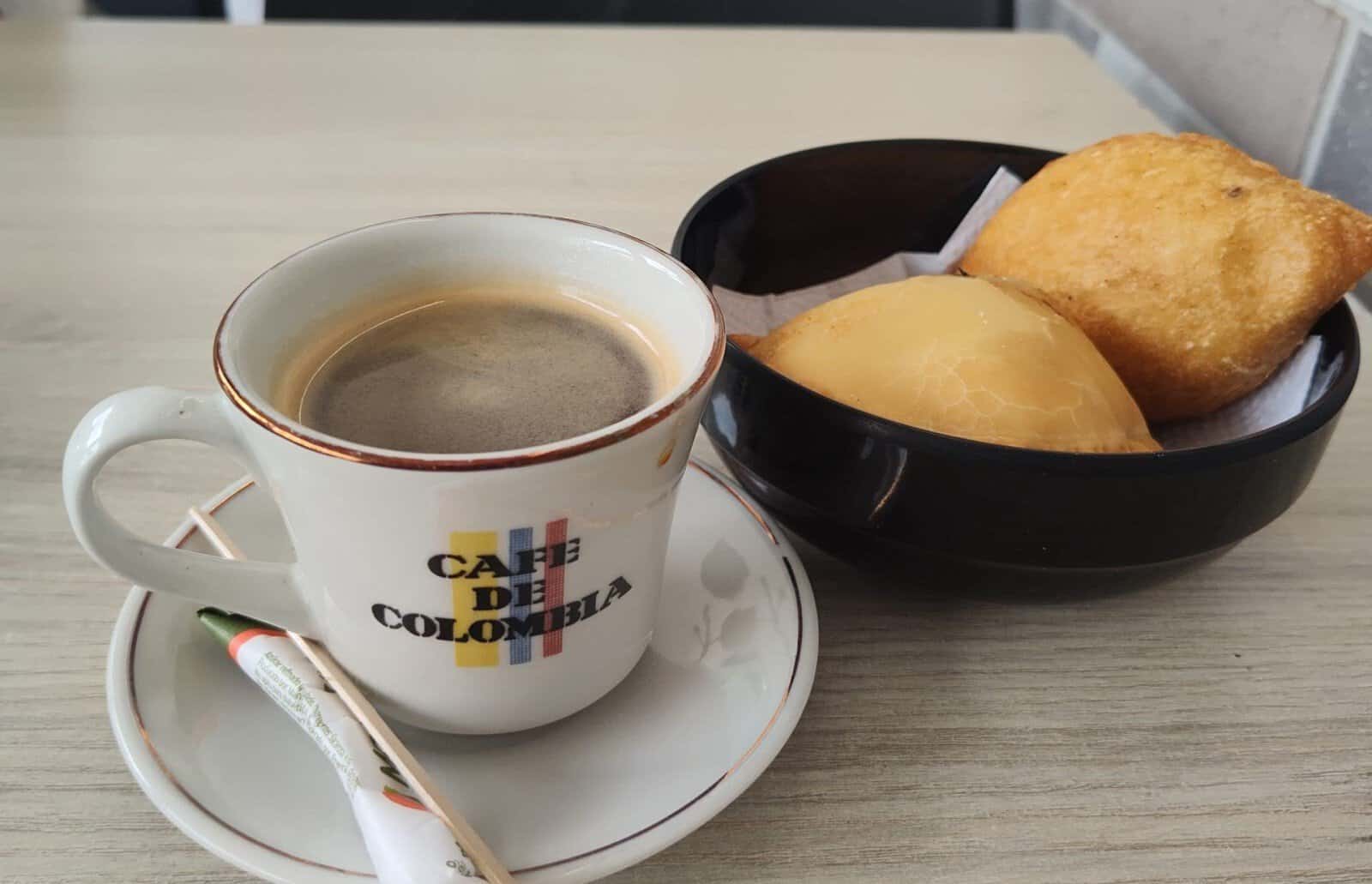
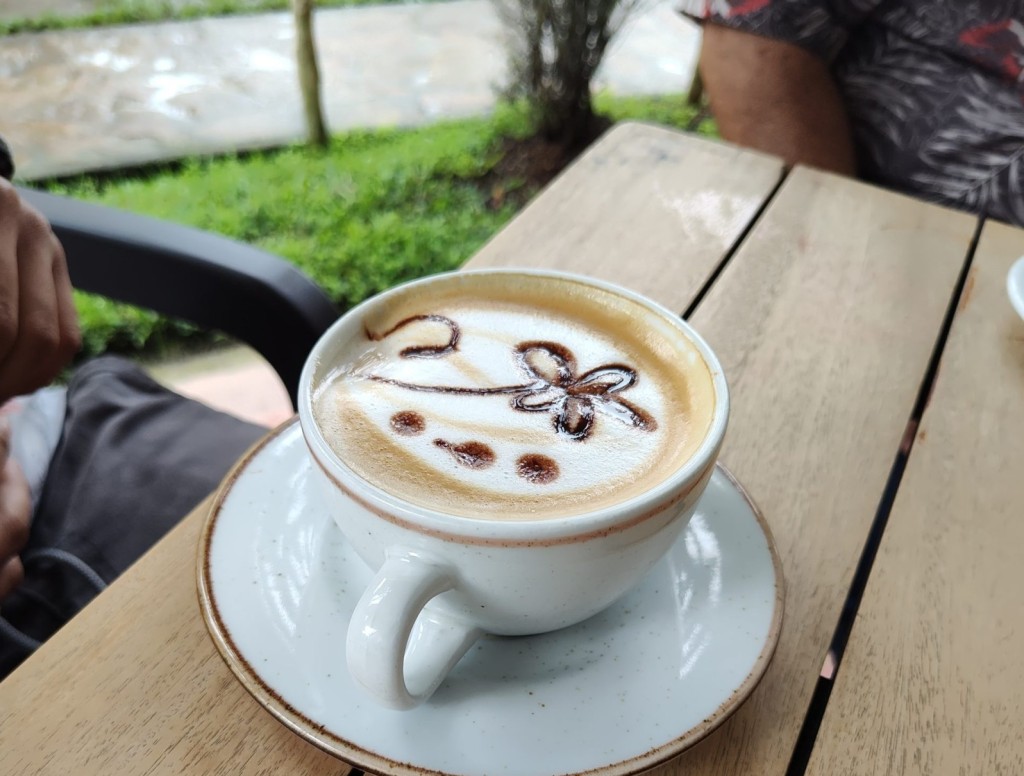
Coffee Culture
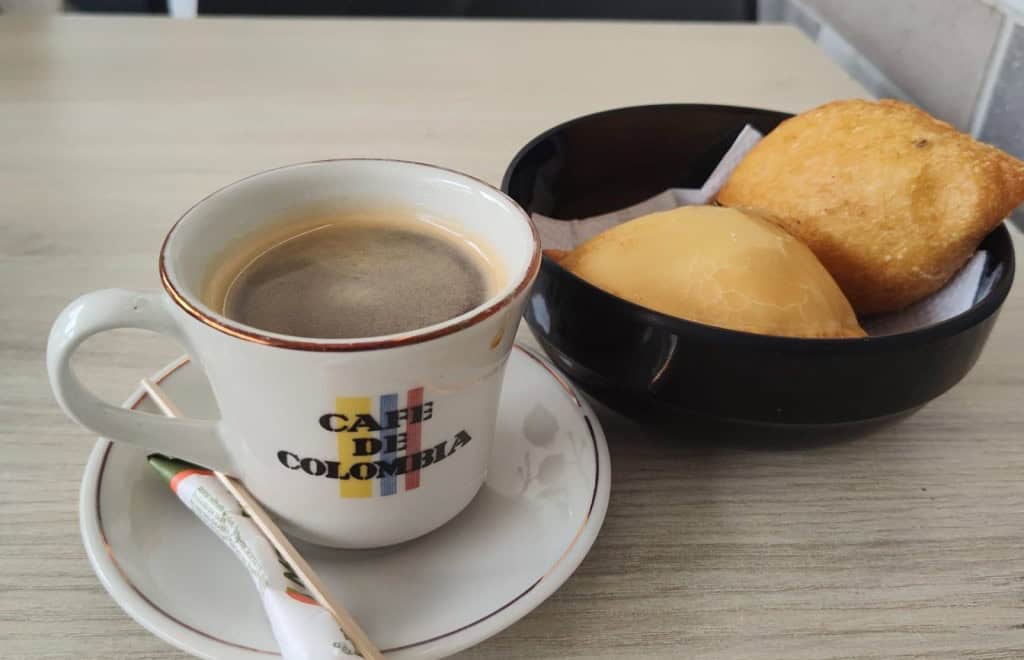
Colombia produces some of the world’s best coffee. Specialty cafés offer:
Pour-overs
Single-origin brews
Traditional tinto
Eating Out in Colombia: What Expats Should Know
Menu del Día Culture
Affordable lunch combos often include:
Soup
Main dish
Drink
Sometimes dessert
Tipping & Dining Etiquette
10% tip is standard
People often share meals
Politeness is valued
Vegetarian & Vegan Options in Colombian Cuisine
While traditional food is meat-heavy, modern Colombian cities offer:
Vegan arepas
Veggie empanadas
Plant-based bandeja paisa
❓ FAQs: Traditional Colombian Food Guide
- Is Colombian food spicy?
No—Colombian cuisine is mild and herb-based. - What is the national dish?
Bandeja paisa is often considered the national favorite. - Are there vegetarian Colombian dishes?
Yes—arepas, patacones, arroz con coco, and salads. - What drinks are traditional?
Coffee, aguardiente, lulada, champús, and canelazo. - Is street food safe?
Yes, when purchased from clean, popular vendors. - What dessert is most famous?
Obleas with arequipe.
🔗 External Link
Learn more about Colombian gastronomy from the official tourism portal:
https://colombia.travel
⭐ Conclusion
Traditional Colombian food is rich, diverse, and full of heart. Every region offers something unique, every ingredient tells a story, and every bite brings you closer to Colombian culture. Whether you’re exploring street food, trying hearty soups, or sipping tropical drinks, Colombia’s flavors will stay with you long after you leave.
Colombian Culture & Lifestyle: Food, Music, People & Daily Life