

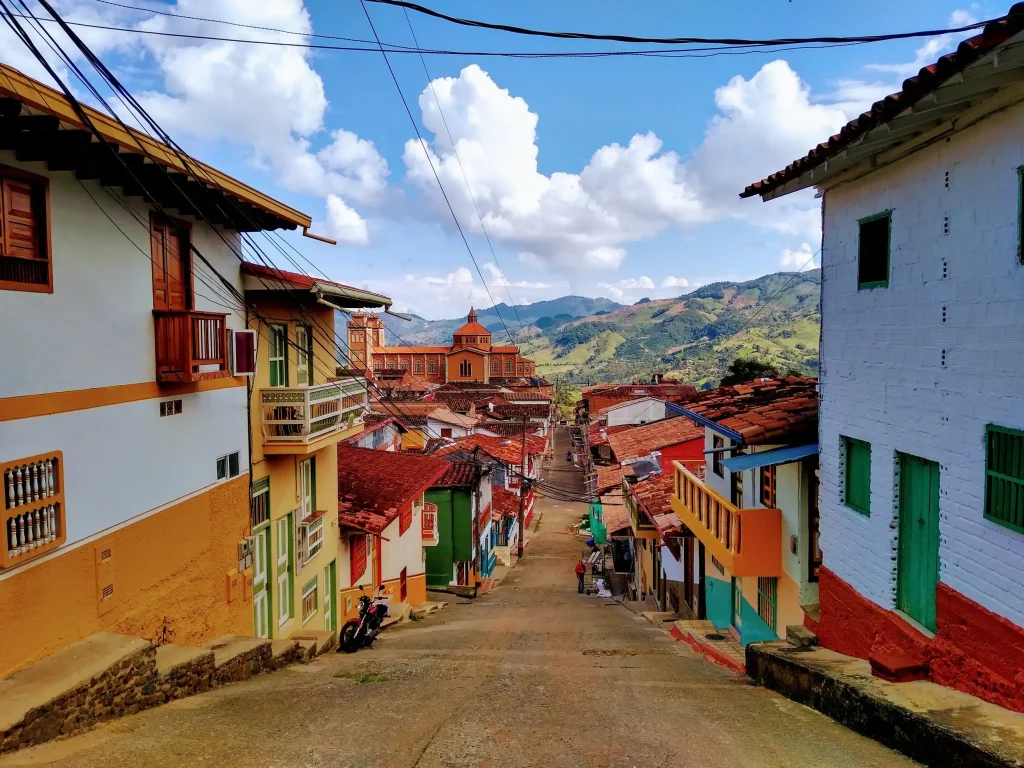

Real estate and renting in Colombia
Colombia and real estate and renting in Colombia, has become one of Latin America’s most attractive destinations for foreigners looking to rent or buy property. Whether you’re relocating long-term, retiring, investing, or simply spending extended time in the country, understanding how the Colombian real estate and rental system works is essential.
Unlike the U.S., Canada, or Europe, Colombia has its own rules, customs, and informal practices that can surprise newcomers. This guide breaks down everything foreigners need to know about renting and buying property in Colombia, including legal requirements, costs, contracts, risks, and practical tips to protect yourself.
Can Foreigners Rent or Buy Property in Colombia?
Yes. Foreigners can legally rent and own property in Colombia with no restrictions based on nationality.
You do not need:
Colombian citizenship
Permanent residency
A Colombian spouse
You do need:
A valid passport
A Colombian tax ID (RUT) only if buying property
Proof of funds for purchases
Ownership rights for foreigners are protected under Colombian law, but the process is very different from what many foreigners are used to.
Renting Property in Colombia: How It Works
Renting is the most common option for foreigners, especially short- and medium-term stays.
Short-Term Rentals (Less Than 6 Months)
Most foreigners start here.
Common options:
Airbnb
Furnished apartments
Monthly rentals through Facebook groups or expat referrals
Pros
No guarantor required
No long contracts
Utilities usually included
Flexible for travelers
Cons
Higher monthly cost
Limited tenant protections
Not ideal for negotiating long-term discounts
This is often the best option when you first arrive and are learning neighborhoods.
Long-Term Rentals (6–12 Months or More)
This is where things get more complicated.
Typical Requirements for Long-Term Leases
Most Colombian landlords require:
Cedula (Colombian ID) – foreigners usually don’t have this
Fiador (Guarantor) – a Colombian with property and income
Proof of Colombian income
Credit history in Colombia
Because of this, many foreigners cannot rent traditionally without help.
How Foreigners Get Around This
Common solutions:
Paying 3–6 months rent upfront
Using a real estate agency experienced with foreigners
Renting through private landlords
Staying in furnished units that cater to expats
If a landlord insists on a fiador and you don’t have one, move on. There are always other options.
Rental Contracts in Colombia
Rental contracts are usually:
Written in Spanish
Valid for 12 months
Automatically renewable
Important things to review:
Penalties for early termination
Who pays utilities, HOA (administración), and maintenance
Annual rent increases (often tied to inflation)
⚠️ Never sign a contract you don’t fully understand. Have it translated or reviewed if needed.
Costs Associated With Renting
Typical monthly costs include:
Rent
Utilities (electricity, water, gas, internet)
HOA / building administration fees
Security deposits are less common than in North America but some landlords request one month upfront.

Buying Property in Colombia as a Foreigner
Buying property is straightforward legally, but you must follow the correct steps.
Requirements to Buy Property
You’ll need:
Passport
Colombian tax ID (RUT)
Funds transferred legally into Colombia
Registered foreign investment (mandatory)
Funds must enter Colombia through official banking channels and be registered with the Banco de la República.
Property Purchase Process
Make an offer
Sign a promesa de compraventa (purchase agreement)
Conduct legal due diligence
Transfer funds legally
Finalize the sale at a notaría
Register the deed
This process usually takes 30–60 days.
Additional Costs When Buying Property
Expect 8–12% of the purchase price in additional costs, including:
Notary fees
Registration fees
Legal review
Real estate commission (sometimes paid by buyer)
Taxes
Unlike some countries, mortgages for foreigners are rare, so most purchases are cash.
Real Estate Agencies vs. Private Sales
Using an Agency
Pros
Safer for foreigners
Help with paperwork
Knowledge of neighborhoods
Cons
Higher prices
Commission fees
Buying Directly From Owners
Pros
Better pricing
More negotiation
Cons
Higher risk
Requires legal support
⚠️ Always use a real estate attorney when buying privately.
Common Mistakes Foreigners Make
Paying deposits without contracts
Renting unseen properties
Not confirming utility debts
Ignoring HOA fees
Assuming contracts work like the U.S.
Not registering foreign investment
Colombia is safe for real estate transactions when done correctly, but informal deals can turn into expensive lessons.
Best Cities for Foreigners to Rent or Buy
Popular choices include:
Medellín
Bogotá
Cartagena
Santa Marta
Pereira
Bucaramanga
Each city has different pricing, climate, lifestyle, and rental cultures.
Final Advice for Foreigners
If you’re new to Colombia:
Rent short-term first
Learn neighborhoods before committing
Avoid rushing purchases
Work with professionals experienced with foreigners
Colombia offers excellent value and lifestyle opportunities, but knowledge is your best protection.