

Living in Colombia as an Expat: What Daily Life Is Really Like
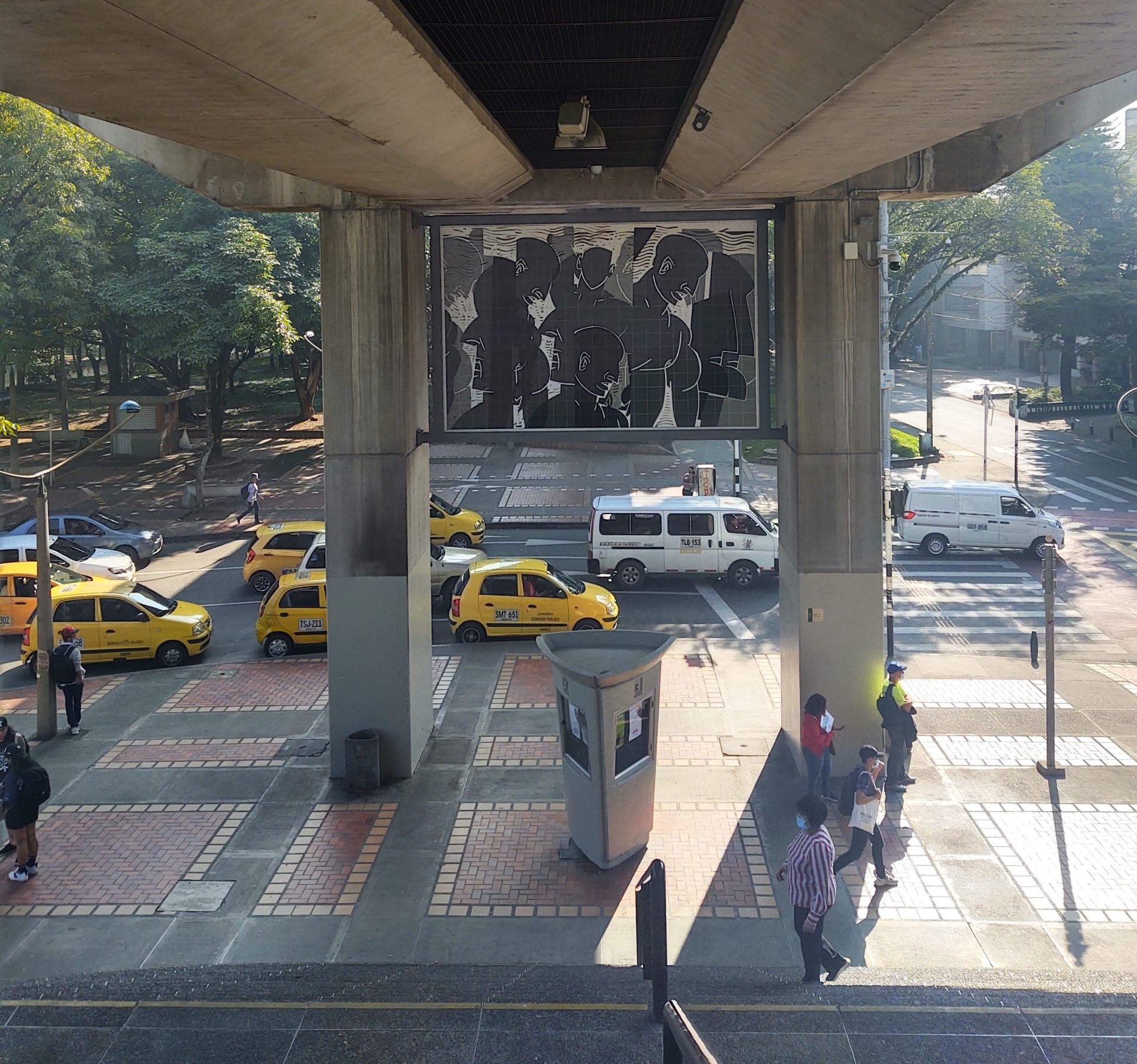
Living in Colombia as an Expat: What Daily Life Is Really Like
If you’re thinking about living in Colombia as an expat, you’re far from alone. Colombia has exploded in popularity in the last decade—thanks to its warm people, affordable lifestyle, spring-like weather, and diverse cities. But what is day-to-day life really like once you settle in… beyond the travel ads and Instagram reels?
This guide gives you the real, balanced, friendly breakdown of expat life in 2025 — the good, the challenging, and everything in between — so you know exactly what to expect.
Table of Contents
- Why Colombia Attracts Expats Today
- Cost of Living: What You’ll Spend Day to Day
- What Daily Life Actually Feels Like
- Safety & Neighborhood Reality
- Transportation: Getting Around Easily
- Food, Groceries & Eating Out
- Culture Shock (and How to Adapt)
- Dating & Social Life
- Healthcare & Medical Life
- Language: How Much Spanish You Really Need
- Working Remotely or Running a Business
- Visas & Residency
- Where Most Expats Live
- Pros & Cons Summary
- FAQs
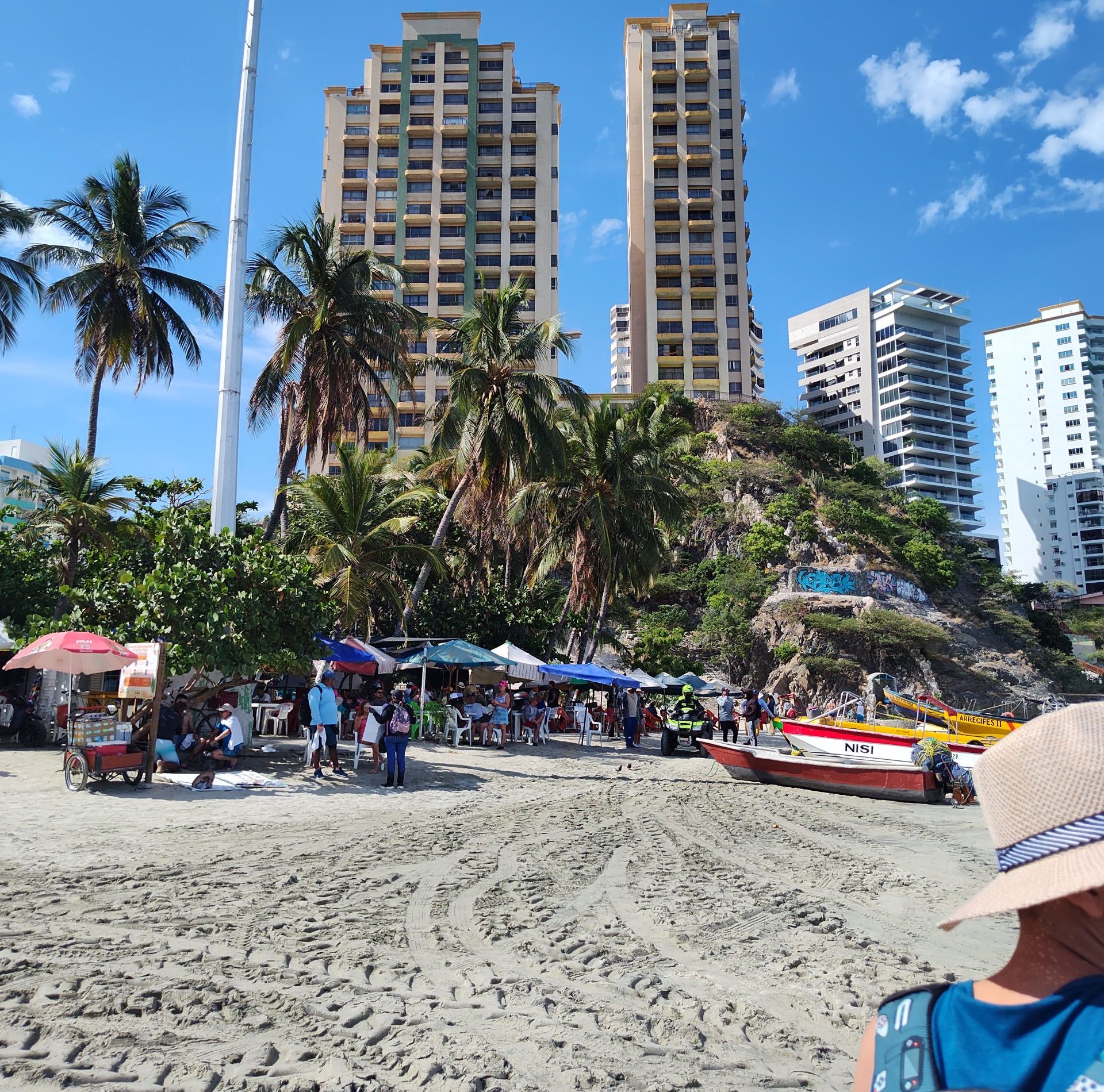
1. Why Colombia Attracts Expats
People choose Colombia because it offers something rare:
a high-quality lifestyle without a high price tag.
Expats love that you can live comfortably, travel often, enjoy a vibrant social life, and still spend less than you would in the U.S., Canada, or Europe. Add the beautiful landscapes, friendly energy, and modern cities — and Colombia becomes more than a destination. It becomes a lifestyle shift.
Most popular reasons expats move here:
✔ Warm, welcoming people
✔ Excellent weather (especially in Medellín)
✔ Affordable living
✔ Fast-growing digital nomad hubs
✔ Big cities with culture, nightlife, and conveniences
✔ Strong community of foreigners
✔ More relaxed pace of life
But daily life is different than visiting — and that’s what this article covers.
2. Cost of Living: What You’ll Spend Day to Day
Colombia is not the cheapest country in Latin America, but it offers fantastic value for the lifestyle you get.
Below is a realistic breakdown (2025 prices):
Rent
- Studio in a good area: $250–$380 USD
- 1-bedroom: $350–$600 USD
- 2-bedroom: $550–$900 USD
Bogotá tends to be more expensive; Medellín and Bucaramanga offer excellent value.
Utilities
- Electricity: $25–$45 (more if you run AC, rare in Medellín)
- Water & gas: $12–$20
- Internet (fast): $15–$25
Groceries
Expect to spend $120–$250/month, depending on how much imported food you buy.
Eating Out
- Menu del día: $4–$7
- Mid-range dinner: $10–$20
- High-end restaurant: $25–$50
Transportation
- Metro/TransMilenio ride: $0.75–$1.10
- Taxi across town: $3–$6
- Uber: slightly cheaper
Total Monthly Living Cost
- Bare-bones budget: $700–$1,000
- Comfortable expat lifestyle: $1,200–$1,800
- High-end lifestyle: $2,000–$3,000+
Most expats fall in the middle tier.
3. What Daily Life Actually Feels Like
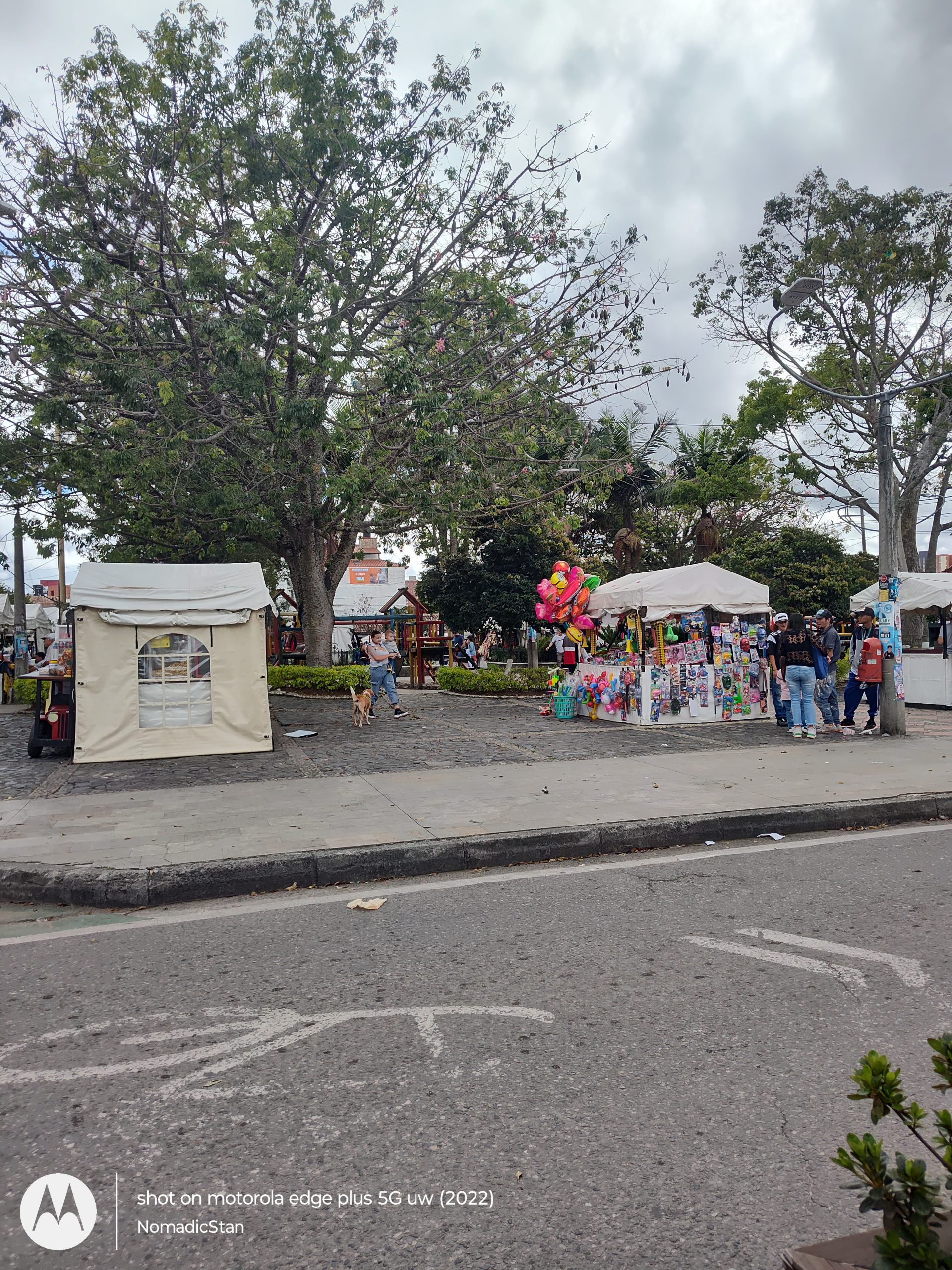
Daily life in Colombia is a blend of comfort, friendliness, and occasional chaos. Colombians are warm, patient, and always ready to help, and that energy spills into everyday life.
What it feels like:
✔ Cafés everywhere
✔ People greeting you with “buenos días”
✔ Markets full of fruit you’ve never tried
✔ Dogs and kids everywhere
✔ Traffic that sometimes tests your patience
✔ Music playing on the street
✔ People taking time to enjoy life
Colombia has a slower rhythm — things take time, lines move slowly, and appointments are not always on schedule. But once you adjust, it becomes part of the charm.
4. Safety & Neighborhood Reality
Here’s the balanced truth:
Colombia is much safer today, but safety varies by city and neighborhood.
General rules:
- Stay in estrato 4–6 areas
- Use Uber at night
- Don’t walk with your phone in your hand
- Watch out for “romantic scams” in tourist hotspots
- Keep drinks close in nightclubs
You’ll hear “no des papaya” often — meaning don’t make yourself an easy target.
Most expats report feeling safe once they learn how Colombia works.
5. Transportation: Getting Around Easily
Colombia has excellent transportation:
Medellín
✔ World-class metro
✔ Cable cars with mountain views
✔ Plenty of Ubers
Bogotá
🚫 Traffic can be rough
✔ TransMilenio BRT
✔ Taxis everywhere
✔ Moto-delivery for everything
Smaller cities
✔ Cheap taxis
✔ Walkable centers
✔ Moto-taxis in coastal towns
If you don’t want a car — you don’t need one.
6. Food, Groceries & Eating Out
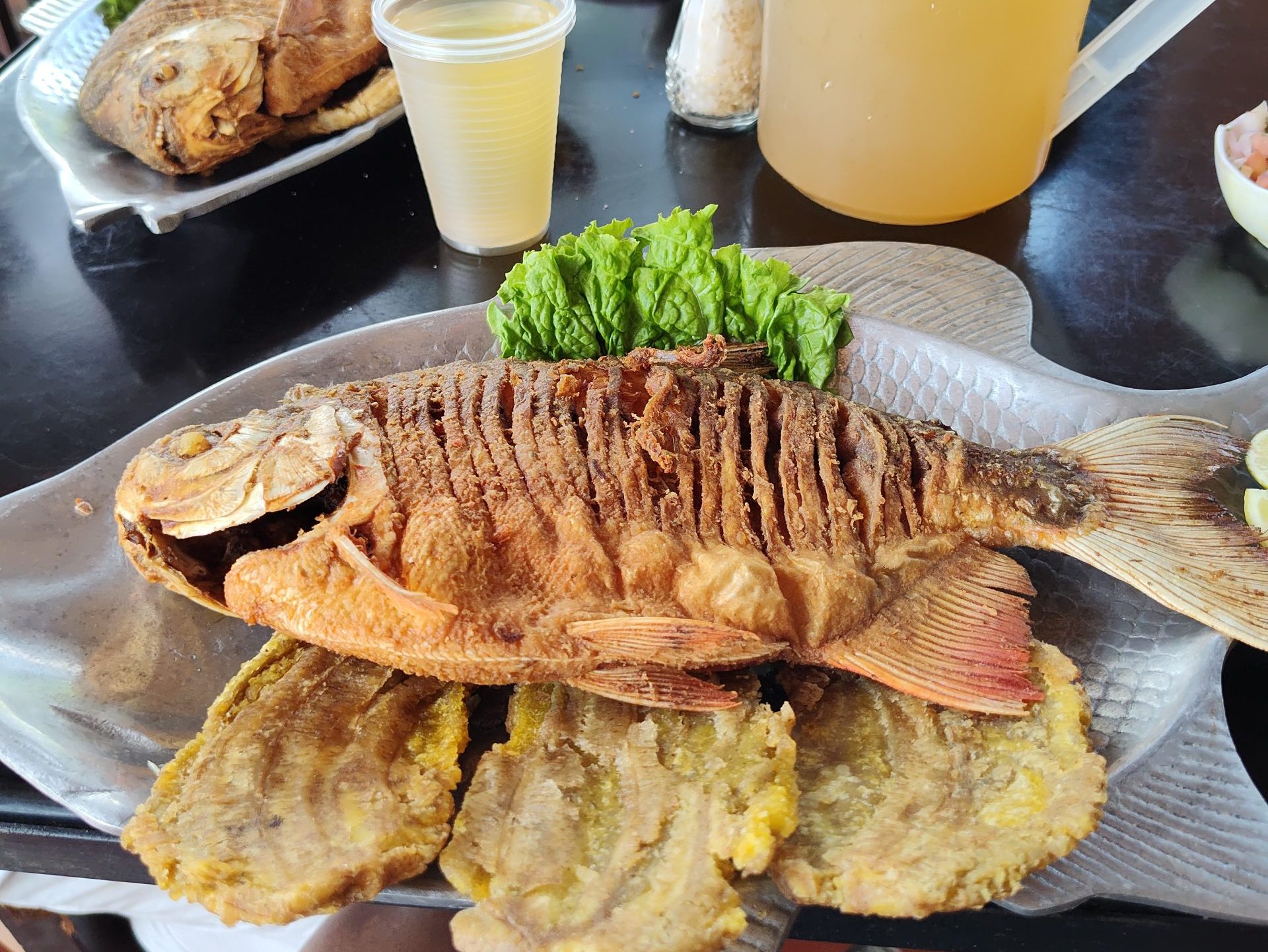
Colombian food is simple, fresh, and filling — but not spicy.
Common daily foods:
- Arepas
- Empanadas
- Sancocho
- Fresh fish on the coast
- Bandeja paisa
- Tropical fruits (mango, papaya, lulo, guanábana)
Supermarkets like Éxito, Jumbo, Olímpica carry everything, including imported items.
Eating out is part of local culture — and very affordable.
7. Culture Shock (and How to Adapt)
Most expats experience culture shock in these categories:
1. Time
Colombians are flexible with schedules.
A 3:00 PM appointment may mean 3:20… or 3:40.
2. Noise
Music is everywhere.
Neighborhoods come alive on weekends.
Holidays = fireworks.
3. Bureaucracy
Paperwork moves slowly.
Patience is your friend here.
4. Personal space
Colombians stand closer and greet more warmly.
8. Dating & Social Life
Colombia is a social country — people love meeting and connecting.
Dating culture:
✔ Friendly
✔ Romantic
✔ Family-centered
✔ Strong communication
Apps like Tinder, Bumble, and Colombian Cupid are popular, but many expats meet people naturally — cafés, gyms, salsa classes, language exchanges.
Friendships also form easily, especially in:
- coworking spaces
- expat groups
- volunteer activities
- sports
- language meetups
9. Healthcare & Medical Life
Colombia has one of the best healthcare systems in Latin America.
Two types of care:
EPS (public system)
- Cheap
- Slower
- Good for routine care
Private insurance
- Fast
- Modern clinics
- Affordable out-of-pocket costs
A specialist visit in private hospitals costs $30–$60 cash.
10. Language: How Much Spanish You Really Need
Here’s the honest answer:
✔ Medellín: many English speakers
✔ Bogotá: moderate English
✔ Cartagena / coast: less English
✔ Small towns: almost none
You can get by without Spanish — but life becomes much better when you learn even the basics.
11. Working Remotely or Running a Business
Colombia is a digital-nomad hotspot.
Great internet speeds
Affordable coworking spaces
Large remote-worker communities
Many expats:
- teach English
- run online businesses
- work for U.S. companies remotely
- consult or do freelance work
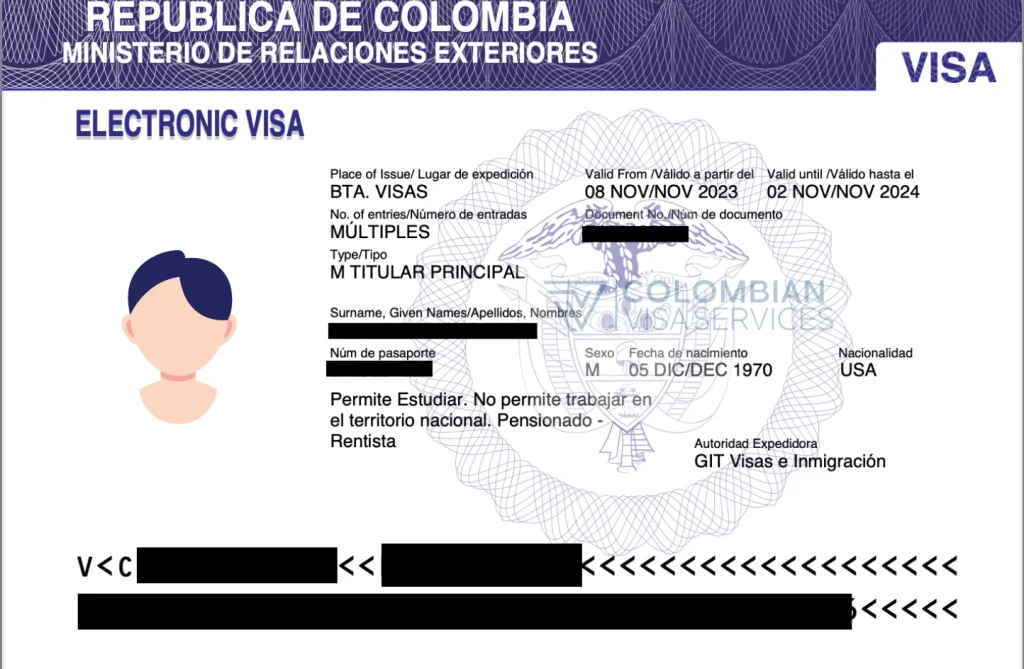
12. Visas & Residency
Colombia has excellent visa options:
✔ Digital Nomad Visa
✔ Retirement (Pensionado) Visa
✔ Marriage/Partner Visa
✔ Investment Visa
✔ Business Owner Visa
✔ Migrant/Resident Visas
Most visas last 1–3 years and are renewable.
13. Where Most Expats Live
Medellín
The #1 expat city
Great weather, metro, nightlife, cafés
Bogotá
Cosmopolitan, business center, museums
Cartagena
Tourist-heavy but beautiful
Best for beach lovers
Cali
Salsa capital
Lower costs
Bucaramanga
Clean, calm, safe
Underrated gem
Santa Marta / Rodadero
Beach life on a budget
14. Living in Colombia as an Expat Pros & Cons Summary
Pros
✔ Friendly people
✔ Great weather
✔ Low cost of living
✔ Good healthcare
✔ Easy to make friends
✔ Vibrant dating scene
✔ Beautiful landscapes
✔ Fast internet + coworking spaces
Cons
✘ Bureaucracy
✘ Traffic in big cities
✘ Petty theft if careless
✘ Loud neighborhoods
✘ Slower pace of service
✘ Learning Spanish takes time
15. Frequently Asked Questions
Is Colombia safe for expats?
Yes — with common-sense precautions.
How much money do I need to live comfortably?
$1,200–$1,800/month.
Do I need Spanish?
Not always, but it makes life much easier.
Can I work in Colombia?
Only with a work visa or remote job.
What’s the best city for beginners?
Medellín — easy, modern, friendly.
More Living: Living in Colombia – ColombiaVibe.com