
The Role of Music in Colombian Culture
Music is one of the most important parts of Colombian culture. It shapes the country’s celebrations, traditions, and everyday life.
From the Caribbean coast to the Andean mountains, every region of Colombia has developed its own musical styles and rhythms. These sounds reflect the country’s diverse history and the blending of Indigenous, Spanish, and African influences.
For visitors exploring Colombia, music is impossible to ignore. It fills the streets, restaurants, taxis, and homes, creating a lively atmosphere that defines the Colombian experience.
The Cultural Roots of Colombian Music
Colombian music developed through centuries of cultural exchange.
Three main influences shaped the country’s musical traditions:
Indigenous rhythms and instruments
Spanish melodies and guitar traditions
African percussion and dance styles
When these influences combined, they produced a wide variety of unique musical genres that continue to evolve today.
Cumbia: Colombia’s Most Famous Rhythm
One of the most iconic musical styles in the country is Cumbia.
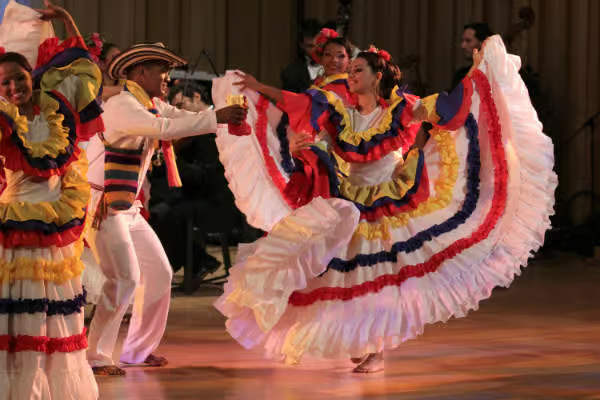
Cumbia originated along Colombia’s Caribbean coast and represents a fusion of Indigenous, African, and Spanish musical traditions.
Traditional cumbia music features instruments such as drums, flutes, and maracas. The rhythm is steady and hypnotic, making it perfect for dancing.
The traditional dance associated with cumbia is elegant and symbolic. Historically, women danced while holding candles, and the choreography represented courtship between couples.
Today, cumbia has spread far beyond Colombia and is popular throughout Latin America.
Vallenato: Music That Tells Stories
Another beloved genre is Vallenato.
Vallenato developed in the Caribbean region and is famous for its storytelling style. Many songs describe everyday life, romance, travel, and friendship.
Traditional vallenato music uses three main instruments:
accordion
caja drum
guacharaca scraper
The accordion gives vallenato its distinctive sound, and the lyrics often tell emotional or humorous stories about life in Colombia.
Salsa: Colombia’s Dance Capital
Although salsa music originated in the Caribbean and New York, Colombia has developed one of the strongest salsa cultures in the world.
The city of Cali is widely considered the salsa capital of Colombia.
Cali is known for its energetic dance scene, where locals perform incredibly fast footwork and complex spins. The city hosts salsa festivals, dance competitions, and countless clubs where visitors can experience the music firsthand.
For many travelers, a night out dancing salsa in Cali becomes a highlight of their trip.
Role of Music in Colombian Culture:
Music in Everyday Colombian Life
In Colombia, music is not limited to concerts or special events.
It’s part of daily life.
You’ll hear music playing in:
taxis and buses
neighborhood stores
family gatherings
public parks
Street musicians often perform in plazas or outside restaurants, creating spontaneous performances that bring energy to public spaces.
Even casual social gatherings often include dancing.
Festivals and Musical Celebrations
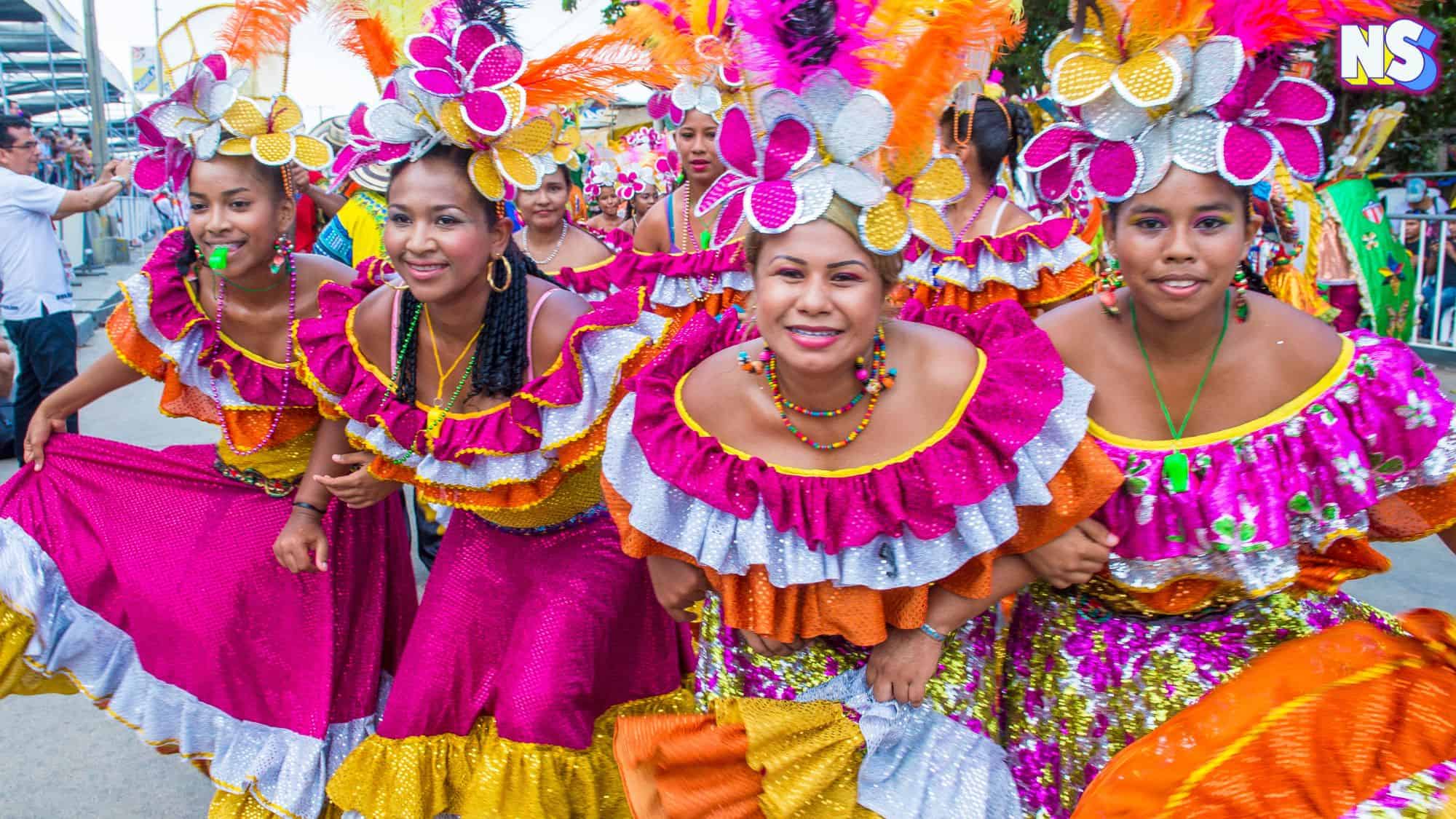
Music also plays a major role in Colombia’s festivals and cultural celebrations.
Many events include live bands, traditional dancing, and performances that celebrate regional musical traditions.
These festivals help preserve Colombia’s musical heritage while introducing new generations to traditional sounds.
Modern Colombian Music
In recent years, Colombian artists have gained international recognition in modern Latin music.
The country has produced globally successful performers in genres such as reggaeton and Latin pop.
These artists often blend modern styles with traditional Colombian rhythms, helping introduce the country’s musical culture to audiences around the world.
Final Thoughts
Music is at the heart of Colombian identity.
From traditional rhythms like cumbia and vallenato to the energetic salsa scene in Cali, music connects people, preserves traditions, and brings communities together.
For visitors, experiencing Colombian music firsthand—whether at a festival, dance club, or street performance—is one of the most memorable parts of traveling through the country.