

How I Got My RUT and Opened a Bank Account in Colombia (My Bancolombia Experience)
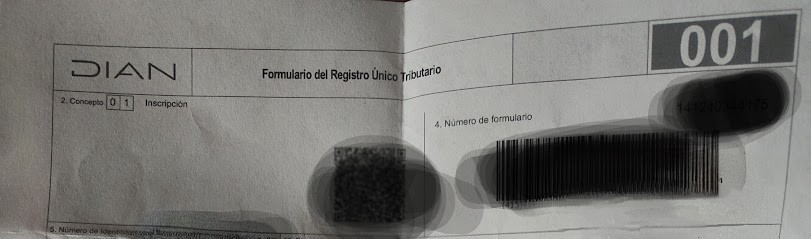
Why the RUT Is Important in Colombia
RUT Colombia for Foreigners
If you plan to live in Colombia for an extended period, get married, start a business, or even open a bank account, you’ll eventually need something called the RUT.
The DIAN (Dirección de Impuestos y Aduanas Nacionales) issues the Registro Único Tributario, which is basically your tax identification record in Colombia.
Think of it as the Colombian version of a U.S. taxpayer registration. It connects your identity to the Colombian financial and tax system.
Without a RUT, many important things become difficult, including:
Opening certain bank accounts
Registering a business
Issuing invoices
Some government programs
Financial transactions tied to taxes
Even if you’re retired and not running a business, many institutions still want to see your RUT.
My Situation as a Foreigner
In my case, I was already married to a Colombian citizen and had completed my residency process through **Migración Colombia.
That meant I already had:
My Cédula de Extranjería
Residency status in Colombia
Local identification
Even with those documents, the RUT was still another step before fully integrating into the Colombian financial system.
Getting the RUT from DIAN
The process starts with the DIAN, the Colombian tax authority.
Step 1: Schedule or Visit DIAN
Some offices allow online scheduling, while others accept walk-ins. In my experience, patience helps because government offices in Colombia can move slowly.
Bring:
Passport
Cédula de Extranjería
Proof of address
Email address
Step 2: Register Your Information
A DIAN agent enters your personal details into their system.
This includes:
Residency status
Address in Colombia
Economic activity
Even if you’re retired, they still categorize you in the system.
Step 3: Receive Your RUT Document
Once registered, you receive a PDF document with your official RUT number.
This number becomes part of your identity when dealing with financial institutions in Colombia.
Opening a Bank Account with Bancolombia
Once I had my RUT, I decided to open an account with Bancolombia, one of the largest banks in the country.
Bancolombia has branches everywhere and works well for everyday transactions in Colombia.
Why I Chose Bancolombia
Several reasons made it a practical choice:
Large ATM network
Good mobile banking app
Widely accepted debit cards
Easy transfers inside Colombia
For someone living here long term, convenience matters.
Documents Bancolombia Asked For
When I went to open my account, the bank requested:
Passport
Cédula de Extranjería
RUT document
Local phone number
Colombian address
Because I was married to a Colombian citizen and living locally, the process was fairly smooth.
Foreigners who are only tourists usually cannot open standard accounts.
The Account Type I Opened
Most foreigners start with a savings account (Cuenta de Ahorros).
With this account, I received:
A Bancolombia debit card
Access to the mobile banking app
Ability to send and receive local transfers
ATM access throughout Colombia
This made daily life much easier compared to relying only on foreign debit cards.
Advantages of Having a Colombian Bank Account
Before opening my account, I was constantly transferring money through services like international remittance apps.
Once I had my Bancolombia account, several things became easier:
Paying bills locally
Transferring money to my wife
Receiving local payments
Avoiding international ATM fees
It also made everyday transactions more natural because many people in Colombia prefer local transfers instead of cash.
A Few Things Foreigners Should Know
Opening a bank account in Colombia is possible, but it depends on your immigration status.
Generally speaking:
Tourists usually cannot open standard bank accounts.
Foreign residents with a Cédula de Extranjería have a much easier time.
Having your RUT helps significantly because it places you inside the Colombian tax and financial system.
Final Thoughts
Getting my RUT and opening a Bancolombia account were important steps in establishing a life in Colombia.
Like many bureaucratic processes here, it takes a little patience, but once everything is set up, life becomes much simpler.
For foreigners planning to live in Colombia long term, these steps are worth completing early.
They allow you to integrate more smoothly into the country’s financial system and avoid many of the frustrations that come from relying solely on foreign banking.
Check out more tips for living: Retire & Relocate to Colombia: Costs, Visas, Cities & Lifestyle


