
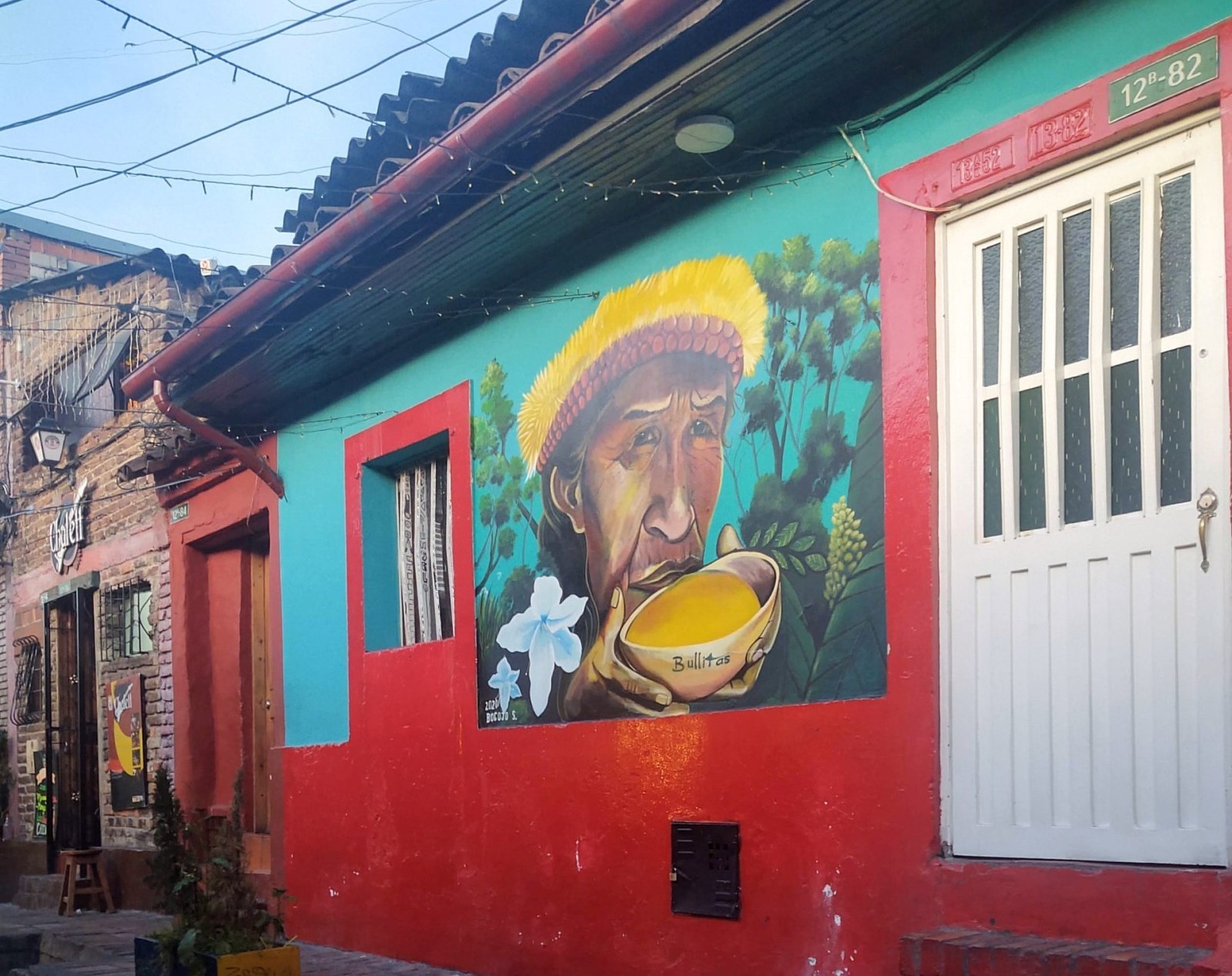
Street in Art Colombia
Discover the vibrant street art scene in Colombia, from Medellín’s Comuna 13 to Bogotá’s political murals and Cartagena’s Caribbean colors. A complete travel guide to Colombia’s urban art.
Colombia’s street art scene is more than just colorful walls and Instagram backdrops — it’s a living, breathing expression of history, identity, and transformation. Across cities like Medellín, Bogotá, and Cartagena, murals tell stories that guidebooks often miss. They speak of struggle, resilience, pride, and creativity.
For travelers willing to slow down and really look, street art in Colombia offers something deeper than sightseeing — it offers connection.
Having explored multiple cities across the country, I’ve seen firsthand how each destination tells its story differently through urban art. From the powerful murals of Comuna 13 to the politically charged walls of Bogotá and the vibrant Caribbean tones of Cartagena, Colombia’s street art is as diverse as the country itself.
Why Street Art Matters in Colombia
Street art in Colombia isn’t just decoration — it’s communication.
In many cases, murals have replaced violence with expression. Artists use public spaces to:
Share untold stories
Honor victims of conflict
Celebrate Afro-Colombian and indigenous identity
Challenge political systems
Inspire community pride
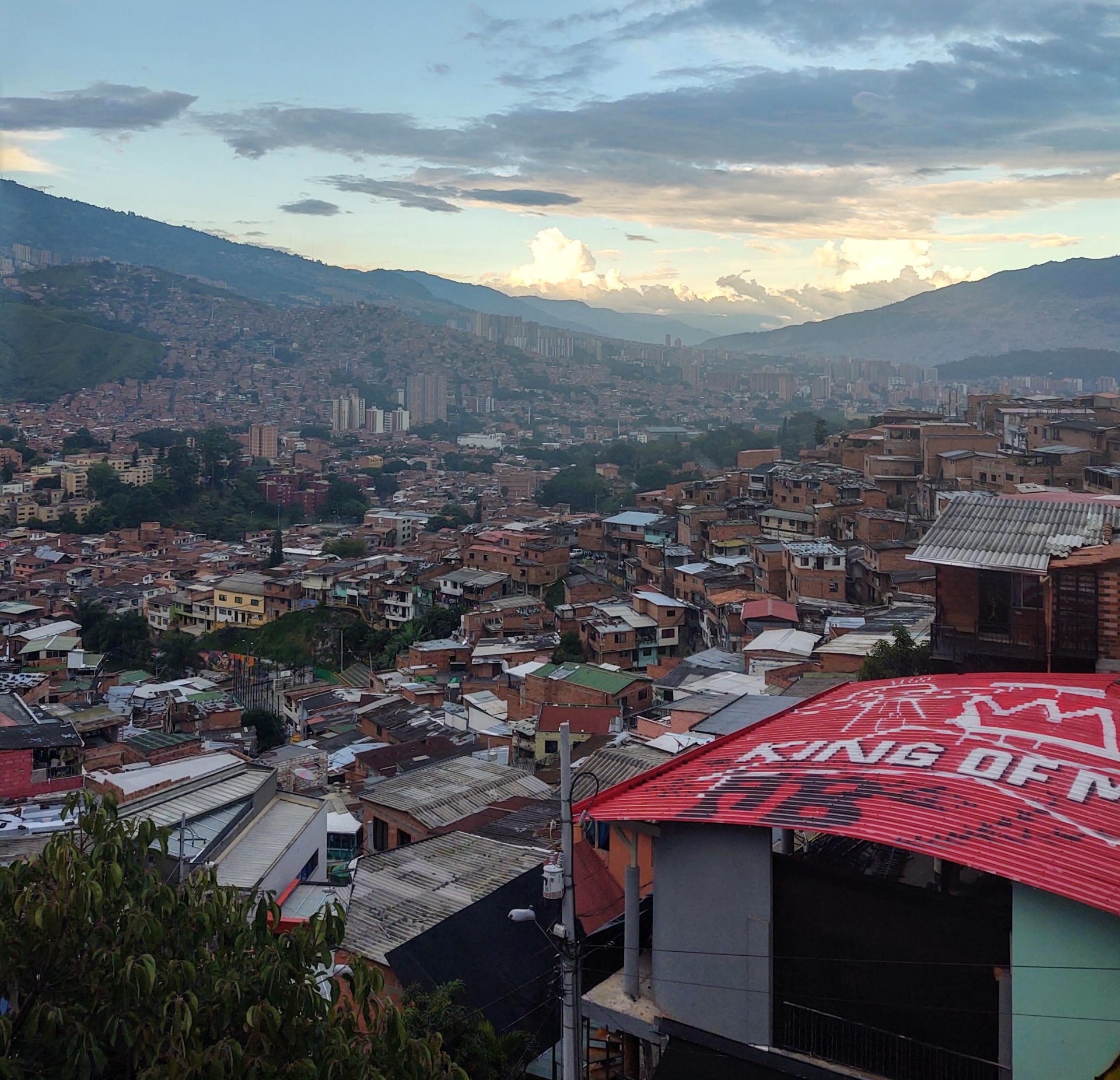
In cities like Medellín, what was once a symbol of danger has become a canvas of transformation.
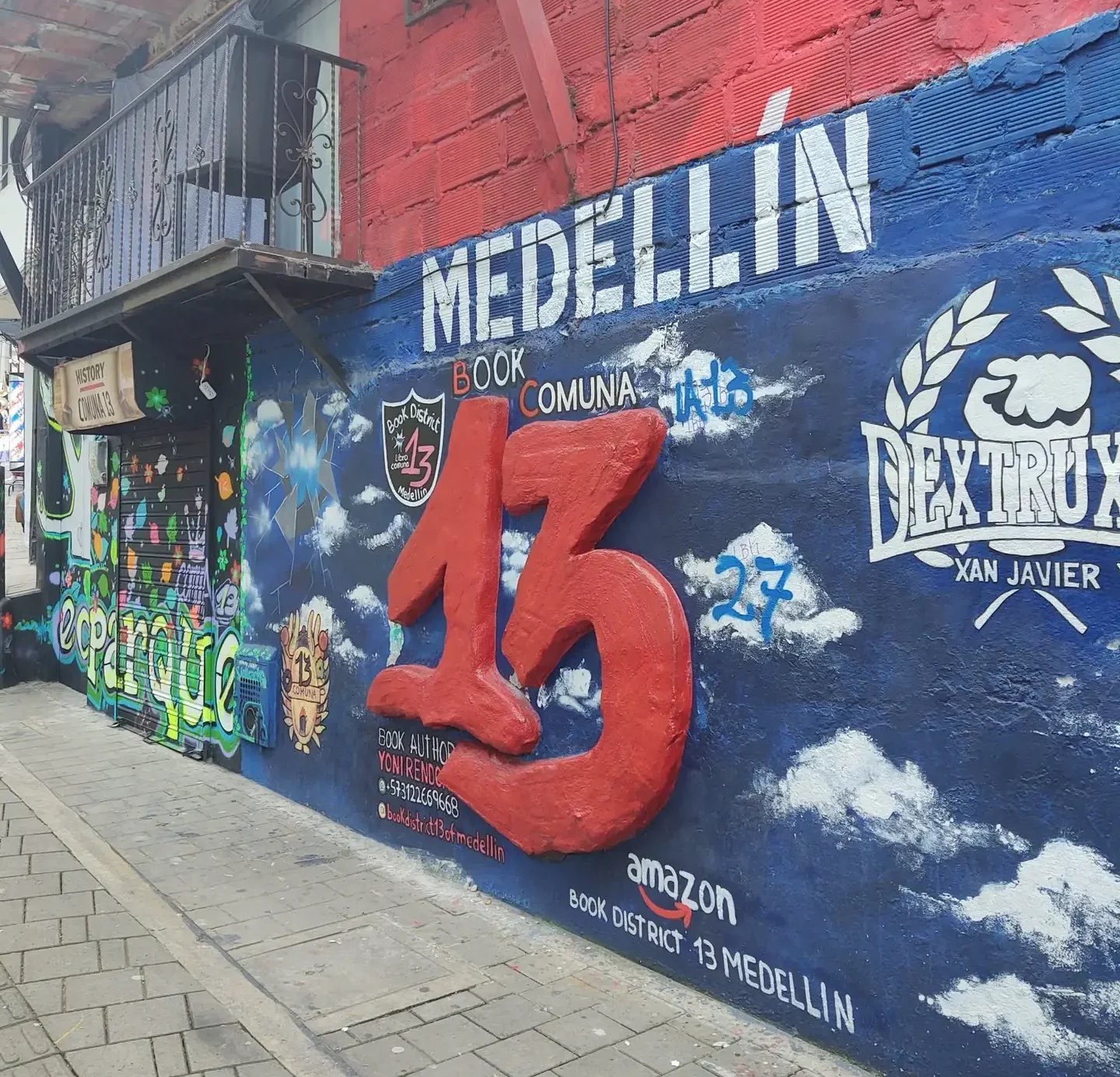
Medellín: From Conflict to Creativity
No conversation about street art in Colombia starts anywhere else.
Comuna 13: The Heart of Medellín’s Urban Art Scene
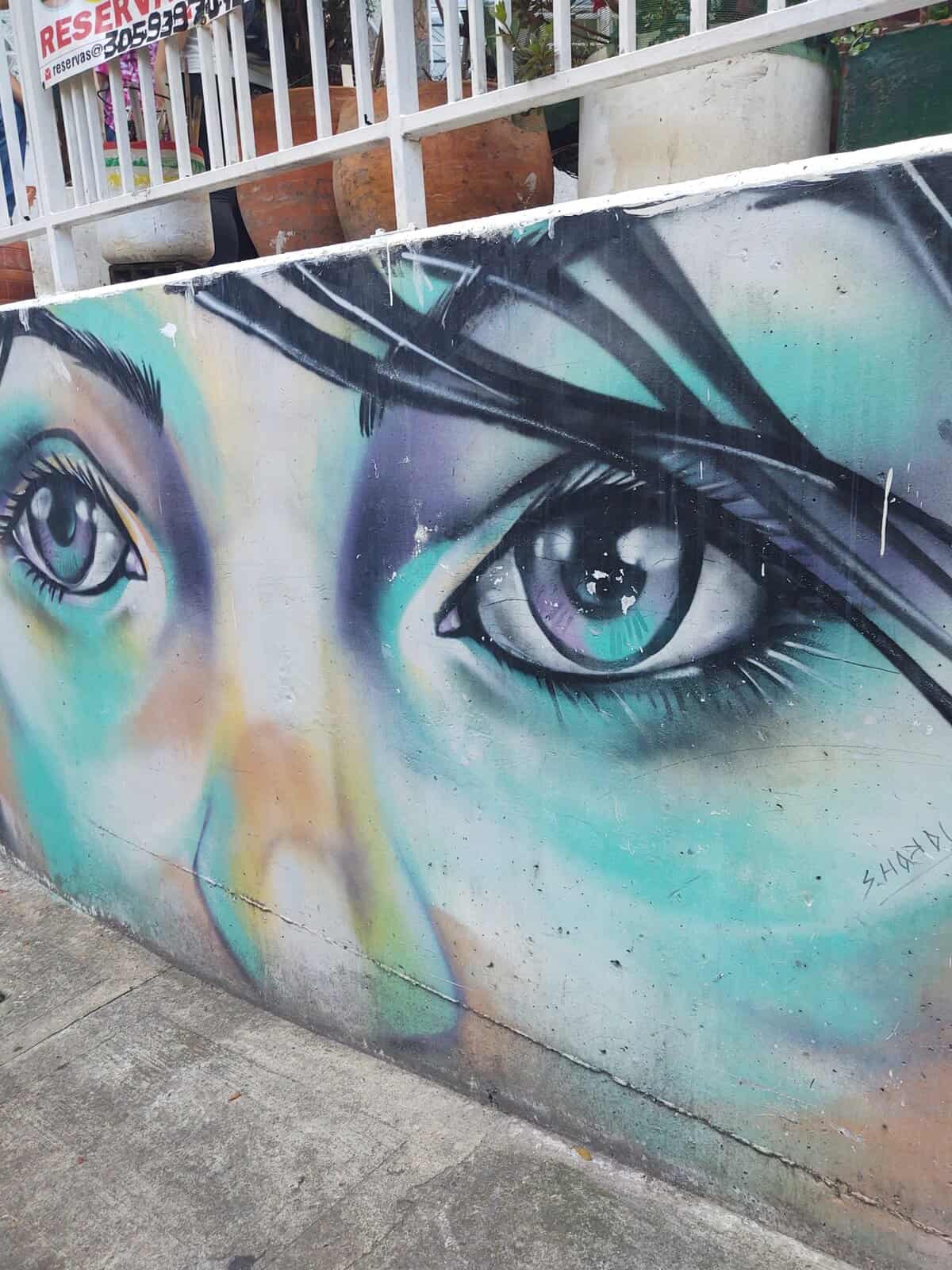
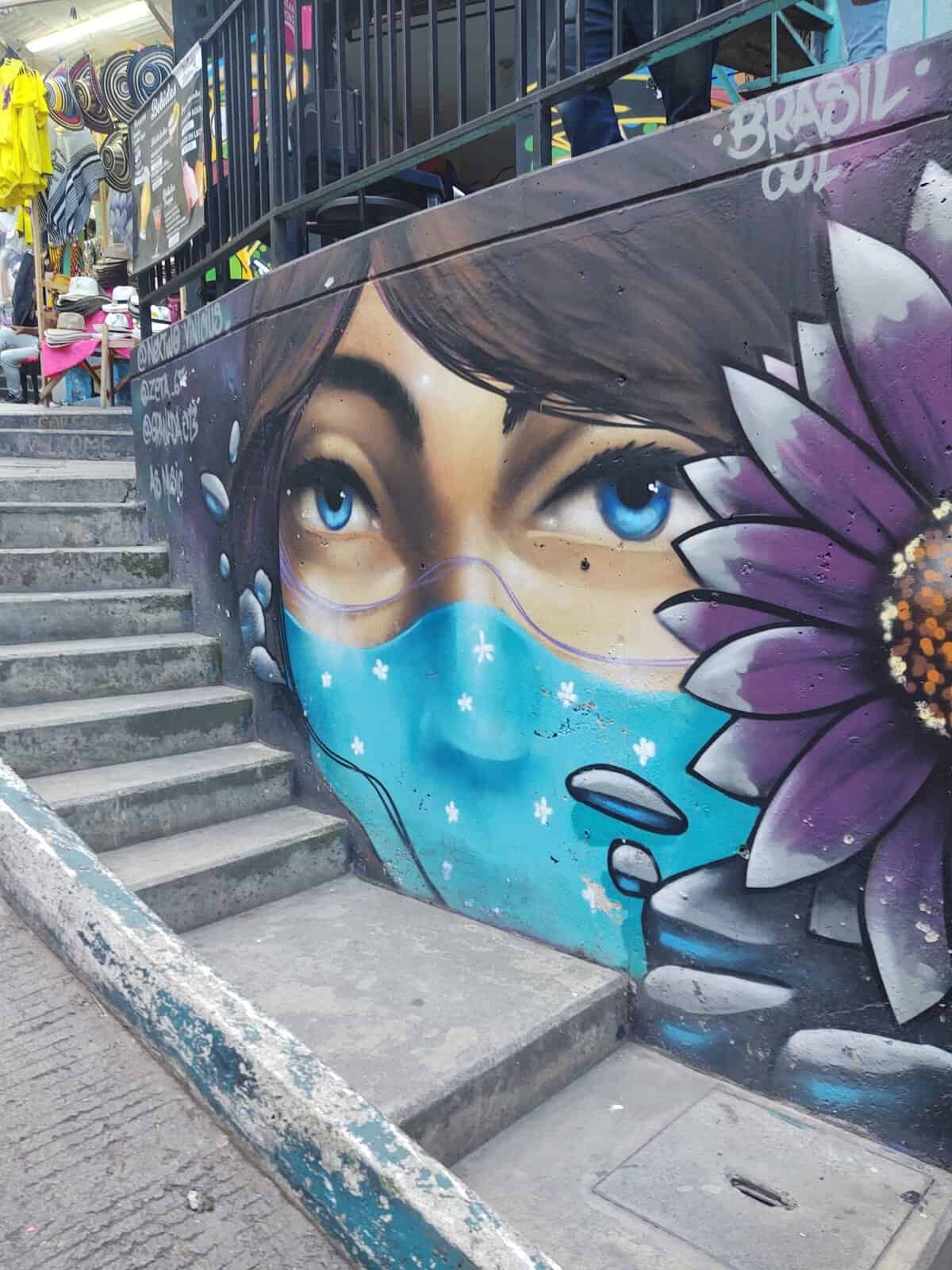
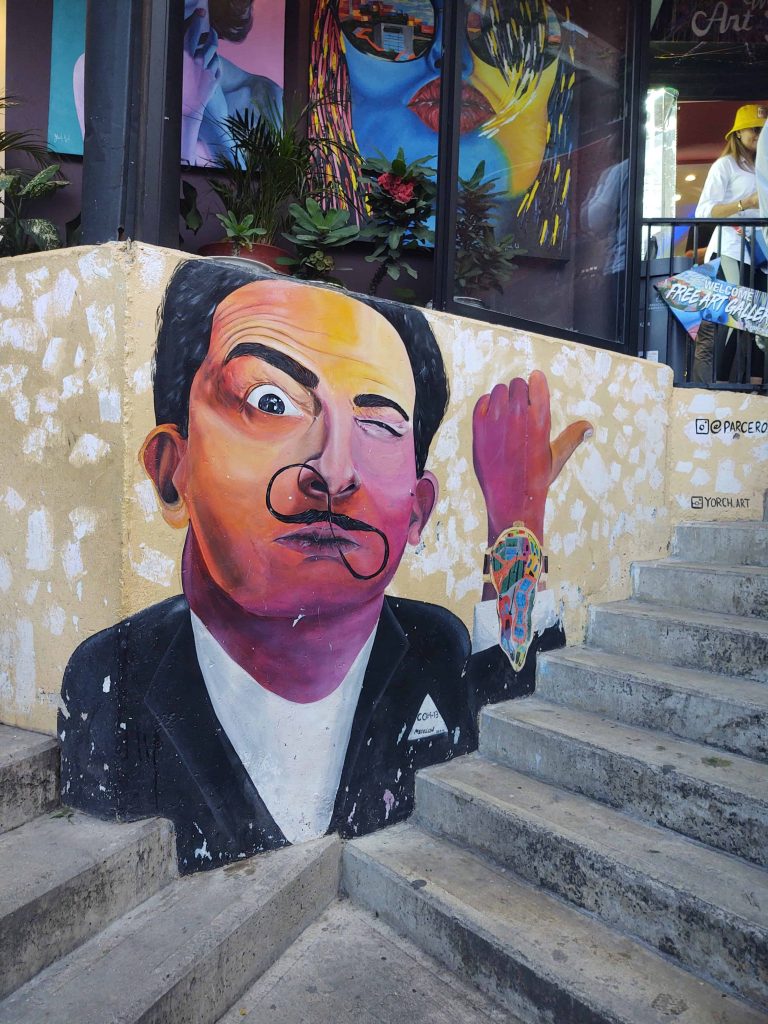
Comuna 13 is the most iconic street art destination in Colombia — and for good reason.
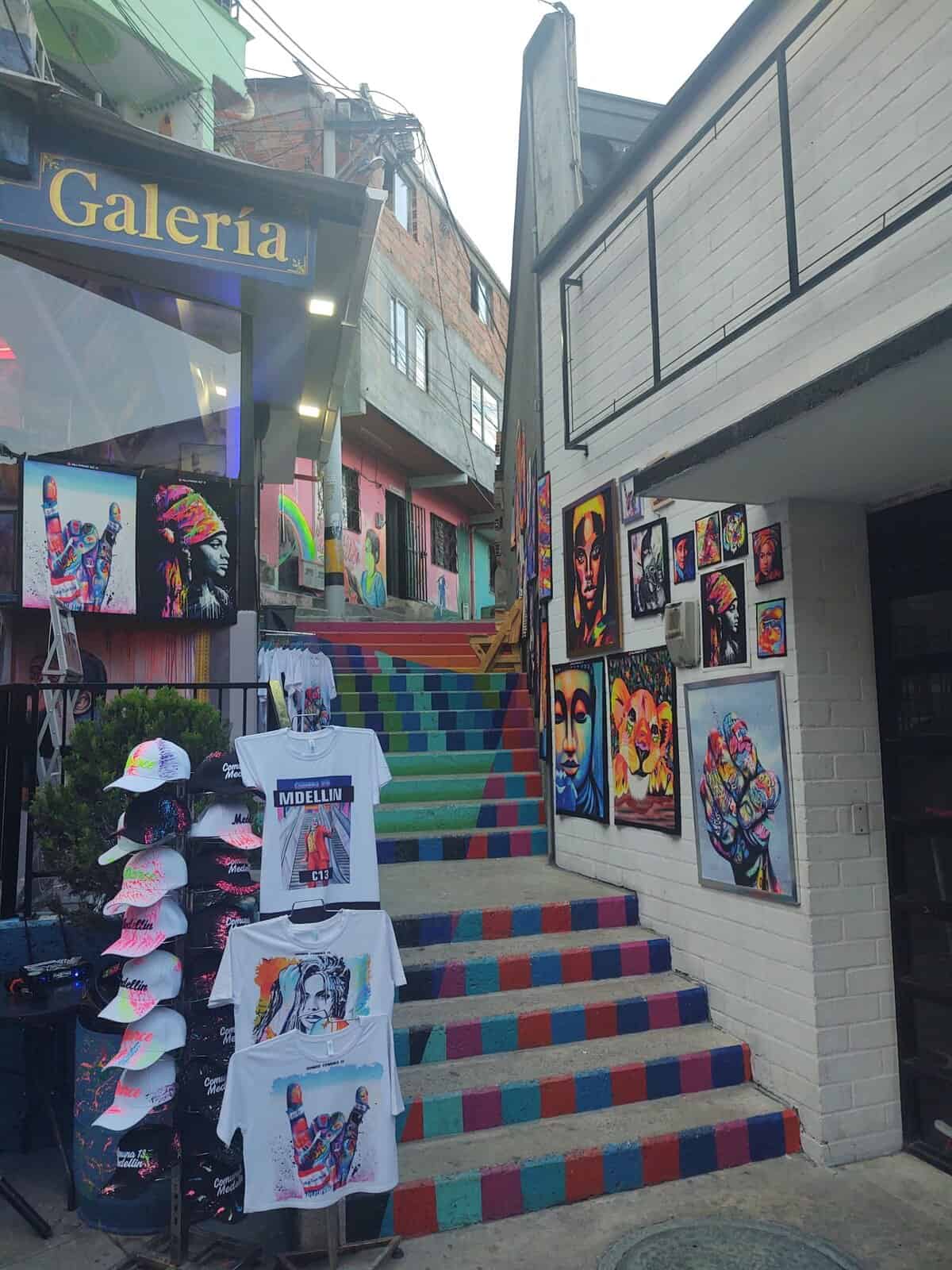
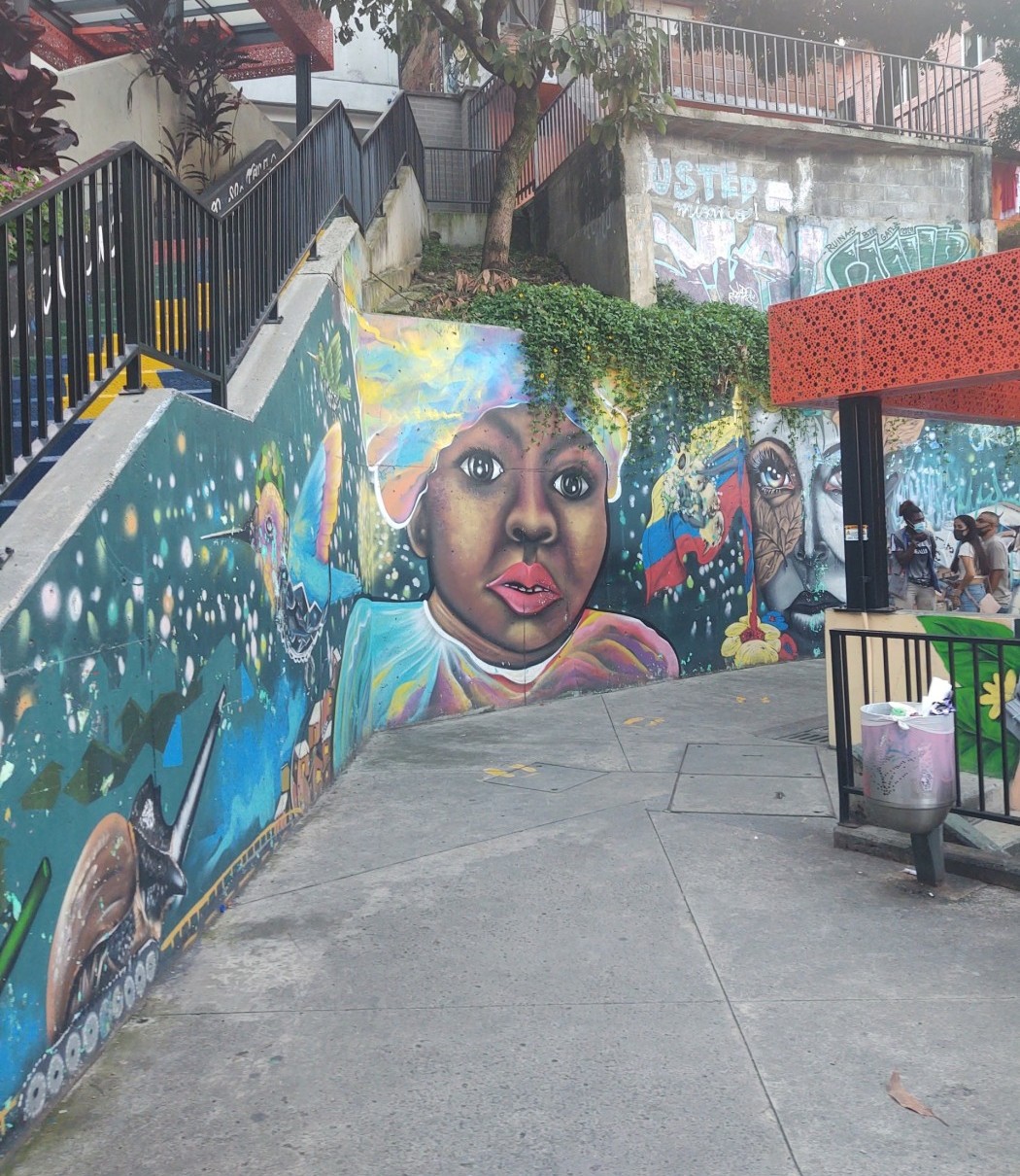
Once considered one of the most dangerous neighborhoods in the country, it has transformed into a symbol of resilience and rebirth. Today, visitors from around the world come to walk its steep hills, ride its outdoor escalators, and experience its powerful murals.
The art here tells stories of:
Past violence and military operations
Lost generations
Hope and rebuilding
Youth culture through hip-hop and dance
Every wall feels intentional. Every piece has meaning.
Your experience tip:
Don’t just walk through — take a guided tour. Local guides often grew up in the area and provide context you won’t get on your own.
Other Street Art Areas in Medellín
While Comuna 13 gets the spotlight, Medellín’s art scene extends beyond it.
Laureles – More subtle murals and artistic expression
El Poblado – Trendy, modern street art mixed with nightlife
Downtown (Centro) – Raw, authentic, and less curated
Each area gives you a different layer of the city’s identity.
Bogotá: Colombia’s Street Art Capital
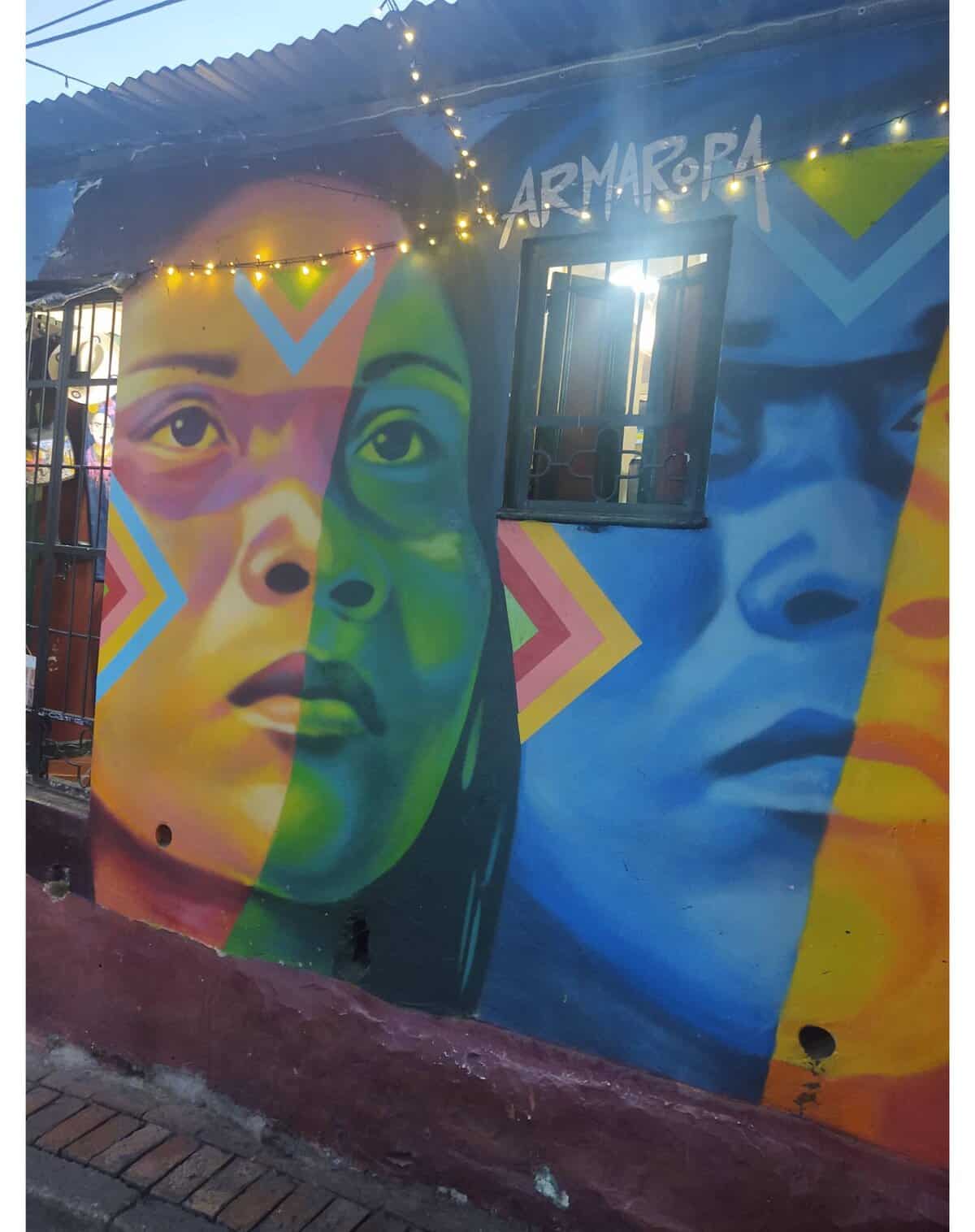
If Medellín tells a story of transformation, Bogotá tells a story of expression without limits.
The capital is widely considered one of the top street art cities in Latin America.
What Makes Bogotá Unique
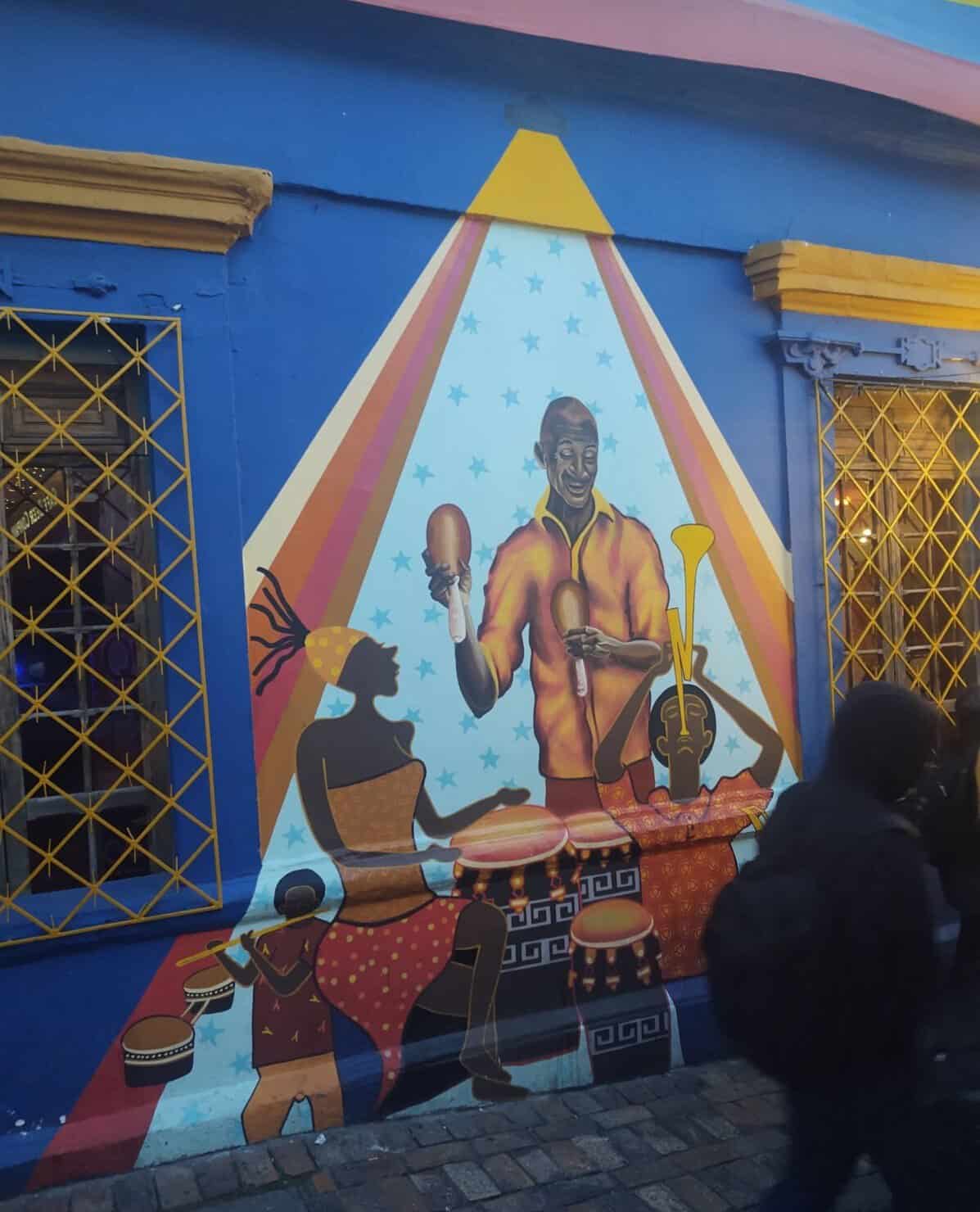
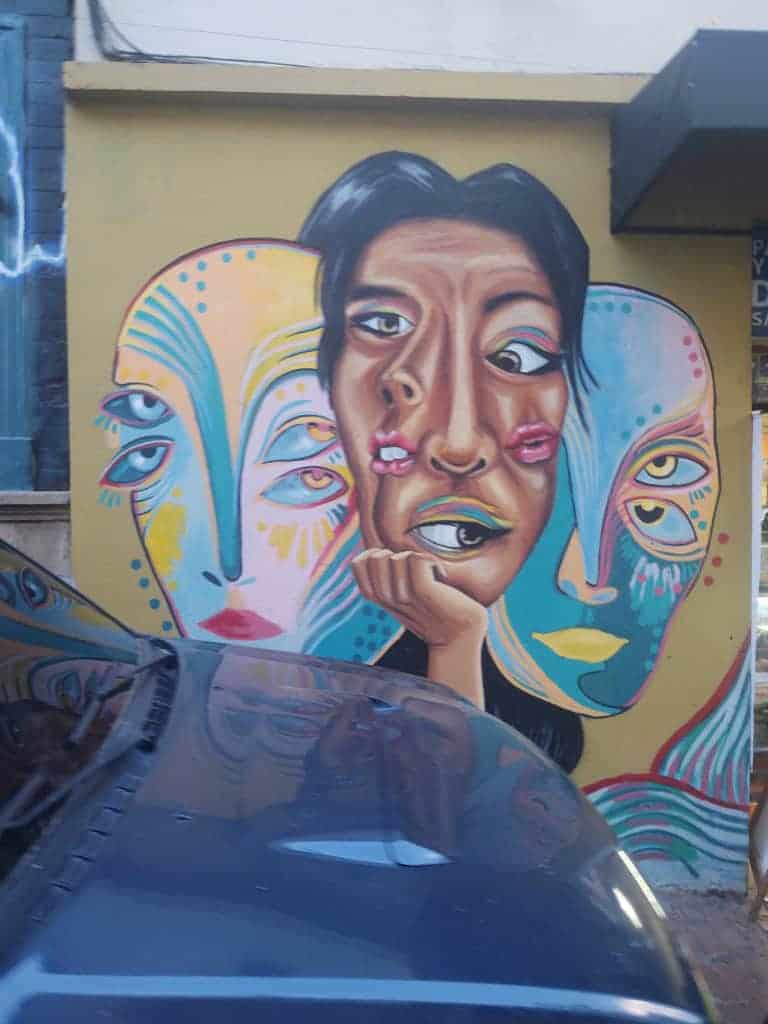
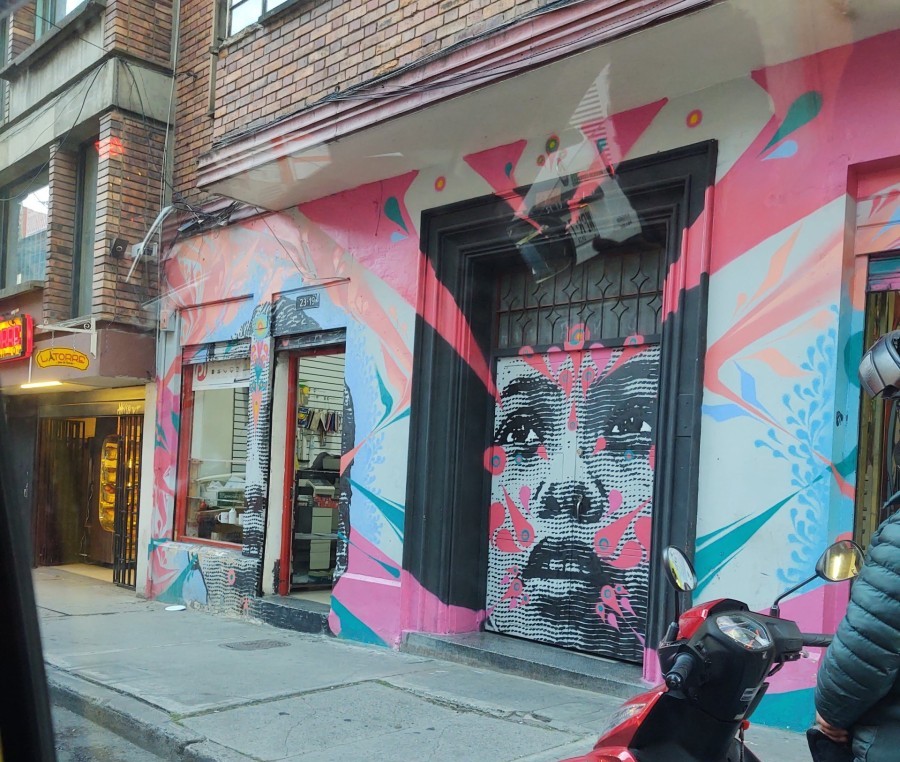
Unlike many cities, Bogotá has a more tolerant stance toward graffiti and street art. This has allowed artists to create massive, detailed murals across entire buildings.
The result?
An open-air gallery stretching across neighborhoods.
Top Areas for Street Art in Bogotá
La Candelaria
The historic district is filled with narrow streets, colonial buildings, and vibrant murals. Here, art blends with history, creating a unique visual contrast.
Chapinero
A more modern and edgy neighborhood, Chapinero features bold, experimental works that push artistic boundaries.
Distrito Graffiti
This is Bogotá’s most concentrated street art zone — a must-visit if you’re serious about urban art.
Themes You’ll See in Bogotá
Political commentary
Social justice messages
Indigenous representation
Environmental awareness
Anti-corruption narratives
This is where Colombia’s voice gets loud — and visual.
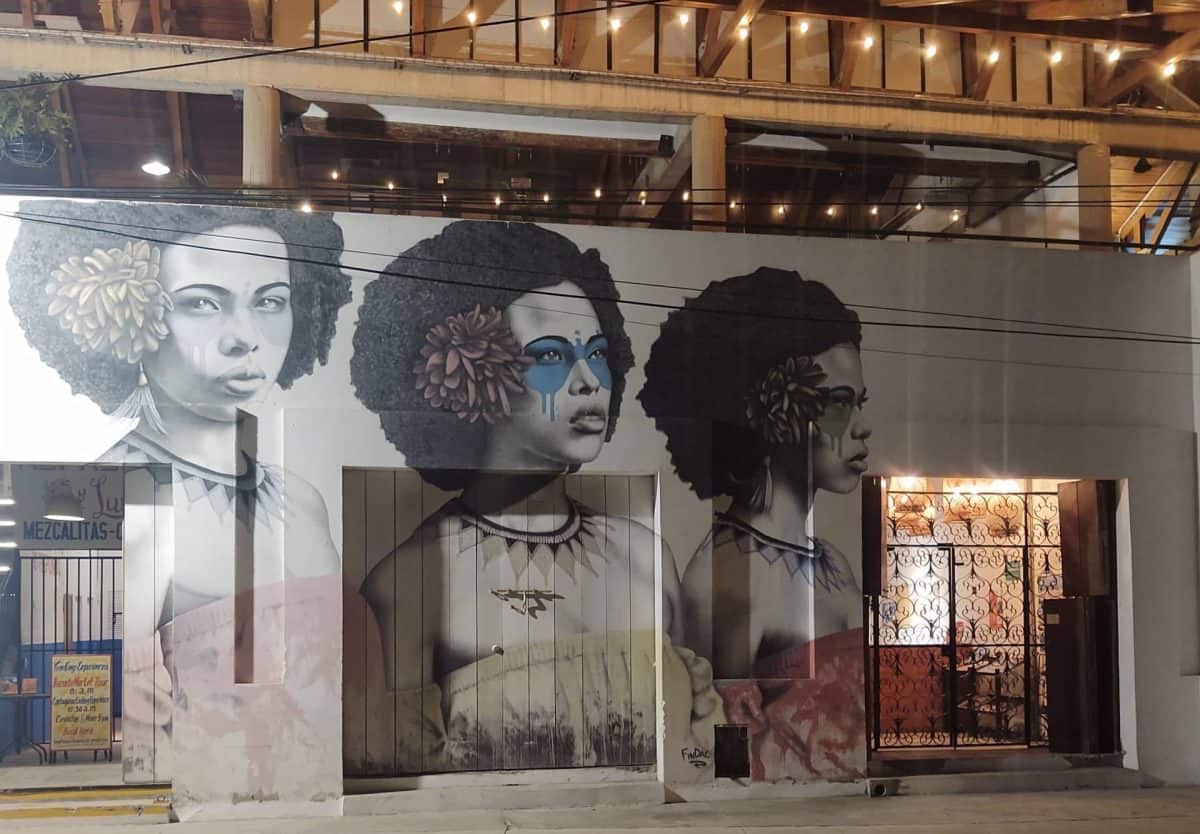
Cartagena: Caribbean Color and Culture
Cartagena offers a completely different street art experience.
Here, the vibe shifts from political to cultural.
Getsemaní: The Art Hub of Cartagena
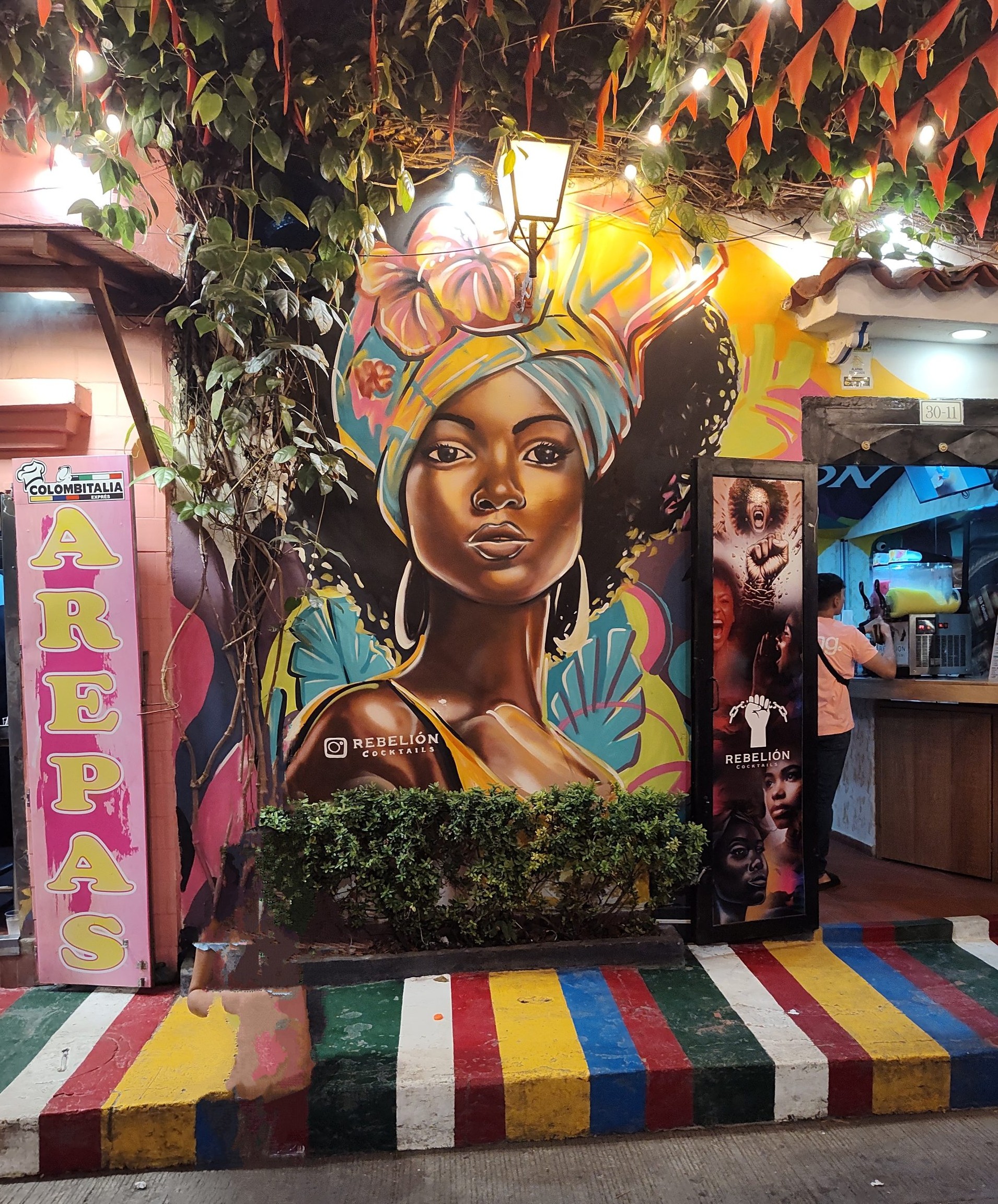
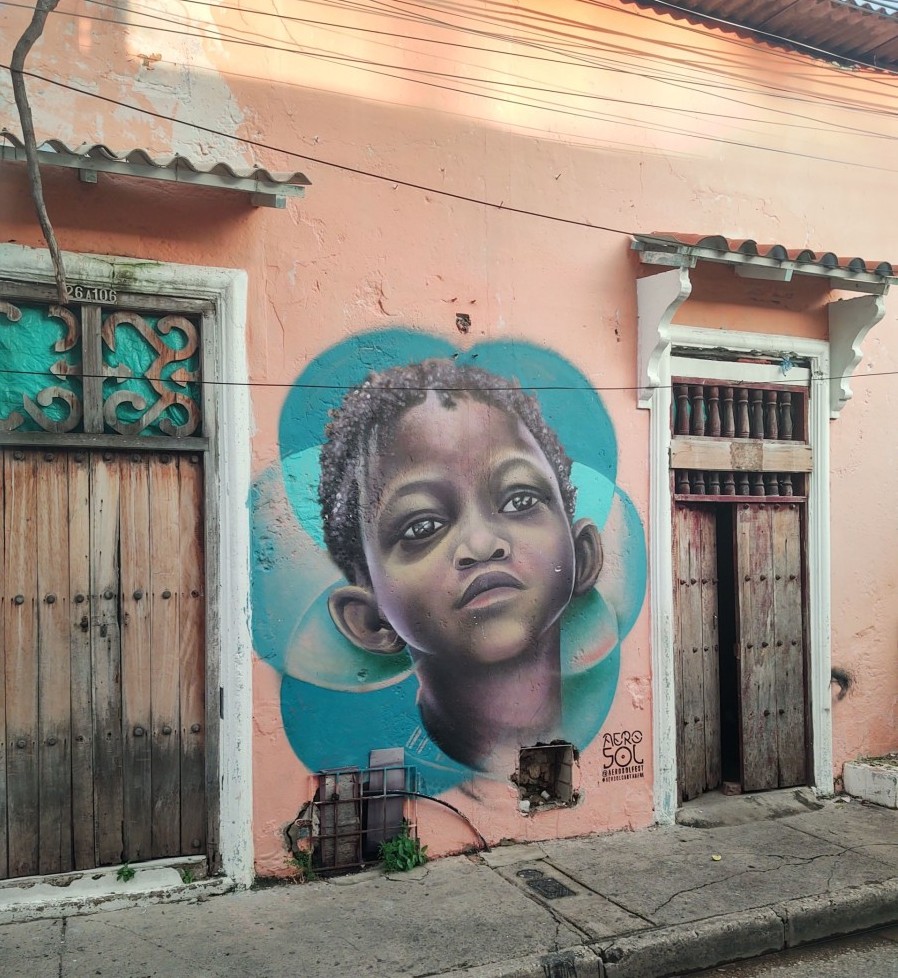
Getsemaní is where Cartagena’s street art truly comes alive.
Once a working-class neighborhood, it has transformed into a cultural hotspot filled with:
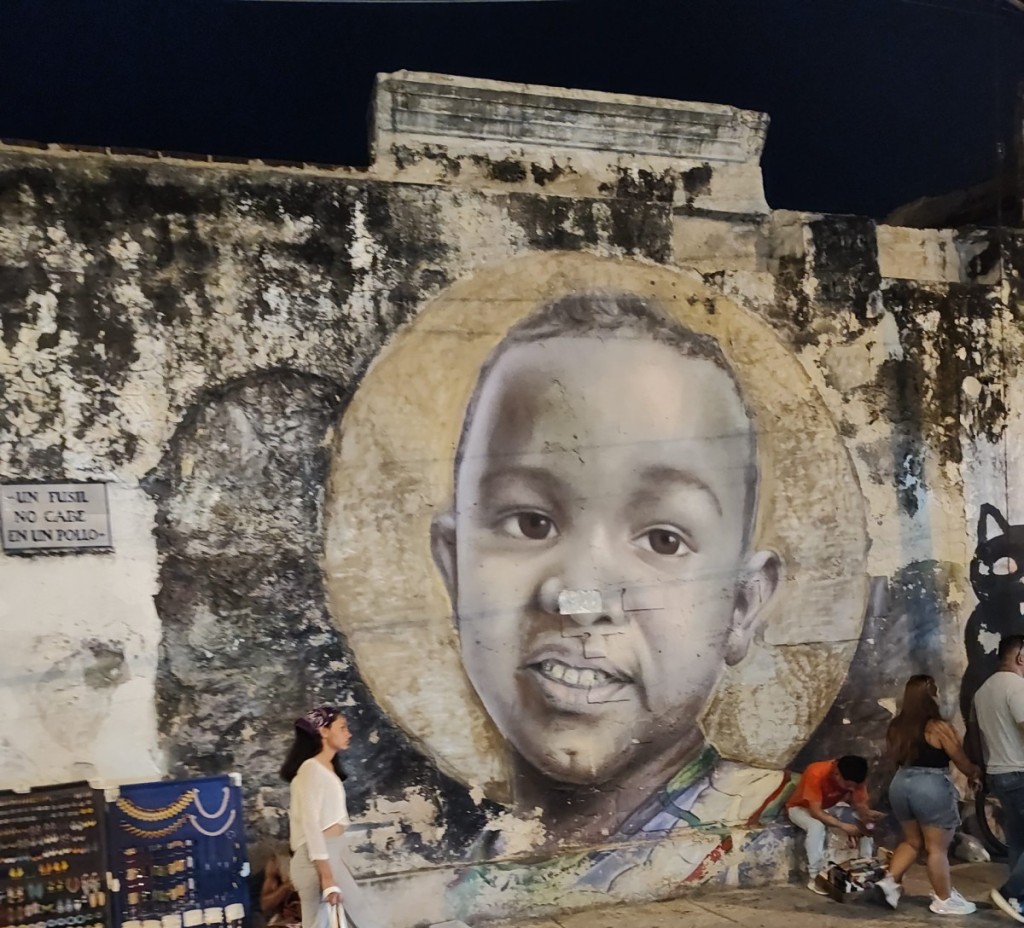
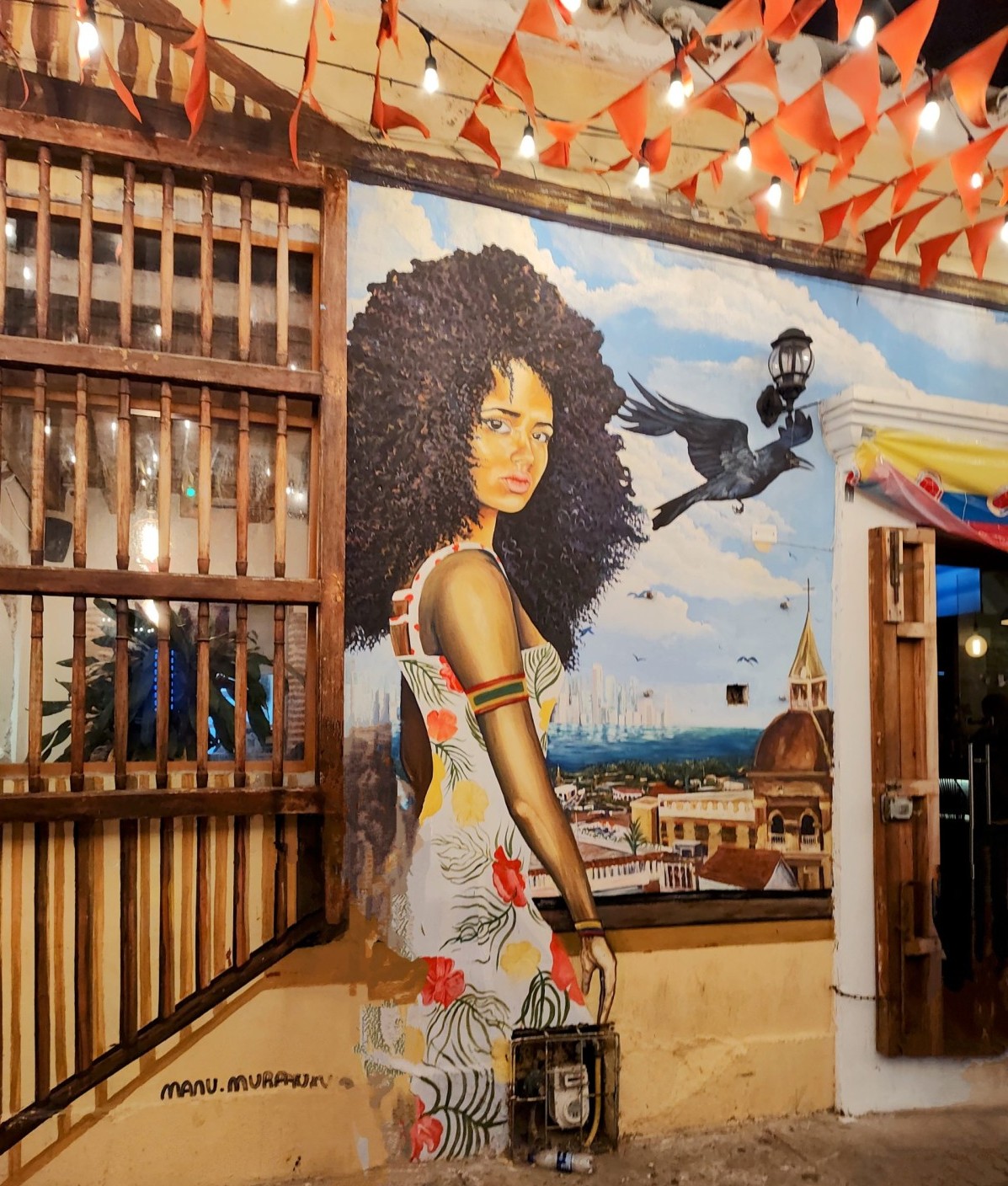
Murals celebrating Afro-Caribbean heritage
Portraits of local figures
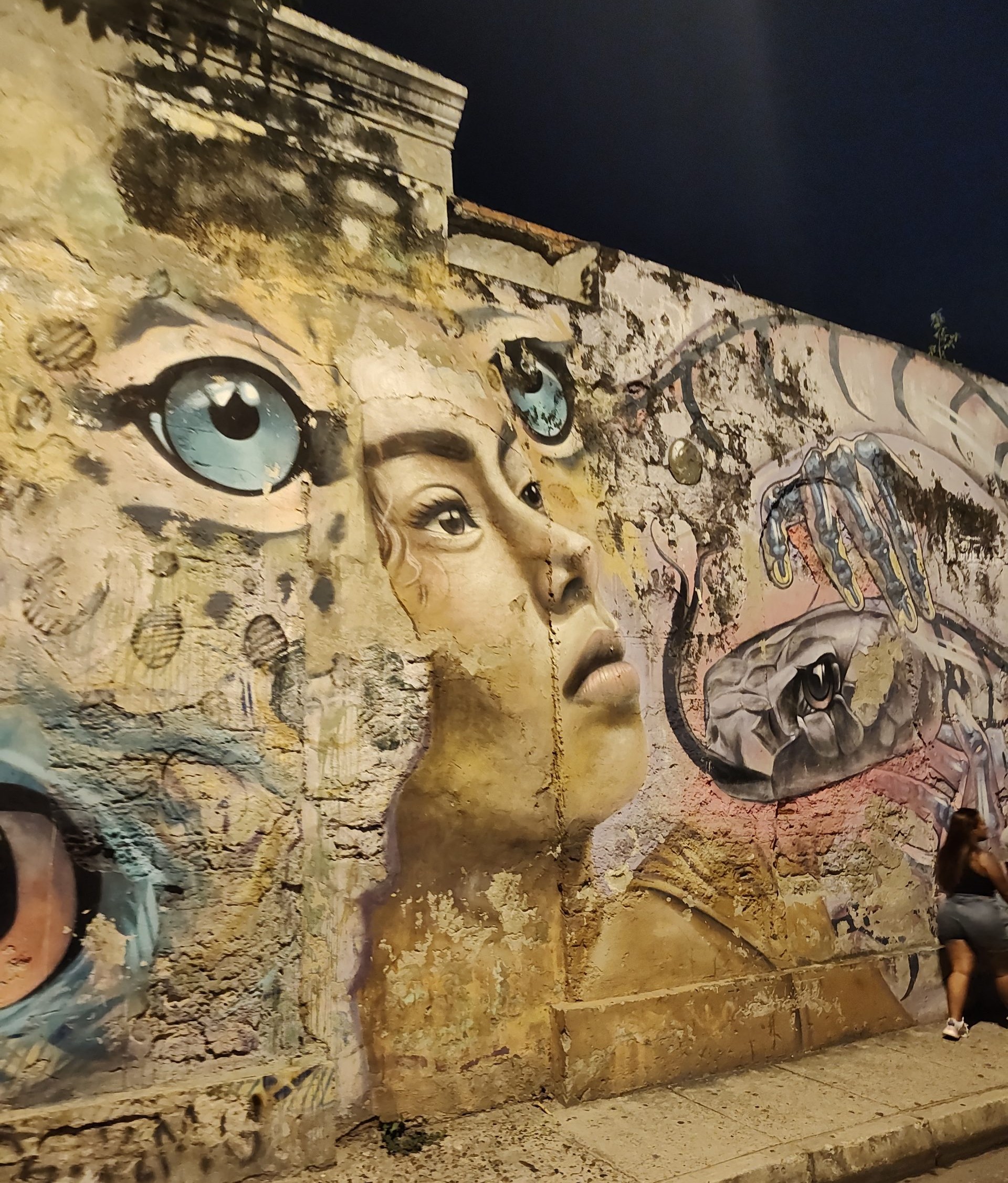
Bright, tropical color palettes
Messages of identity and pride
The art here feels warm, rhythmic, and deeply connected to the Caribbean spirit.
What Makes Cartagena’s Art Different
Less political, more cultural
Strong Afro-Colombian influence
Vibrant, bold color schemes
Integrated into daily life and tourism
It’s not just art — it’s atmosphere.
Hidden Street Art in Other Colombian Cities
While Medellín, Bogotá, and Cartagena dominate the spotlight, street art can be found throughout Colombia — often in unexpected places.
Cúcuta: Emerging Expression
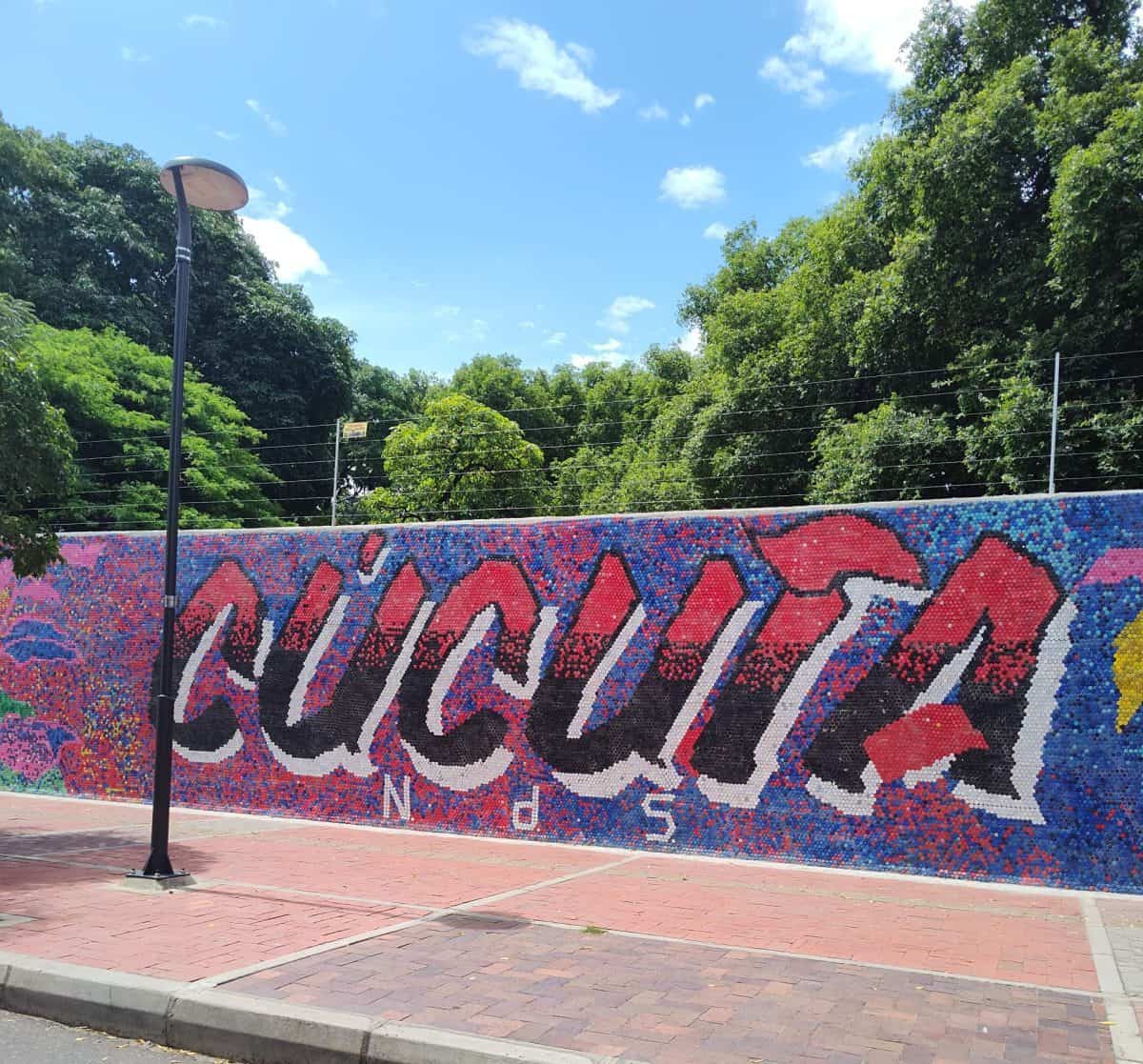
In Cúcuta, the street art scene is more subtle but growing.
You’ll find:
Local murals reflecting regional identity
Pieces influenced by border culture with Venezuela
Small but meaningful works scattered throughout the city
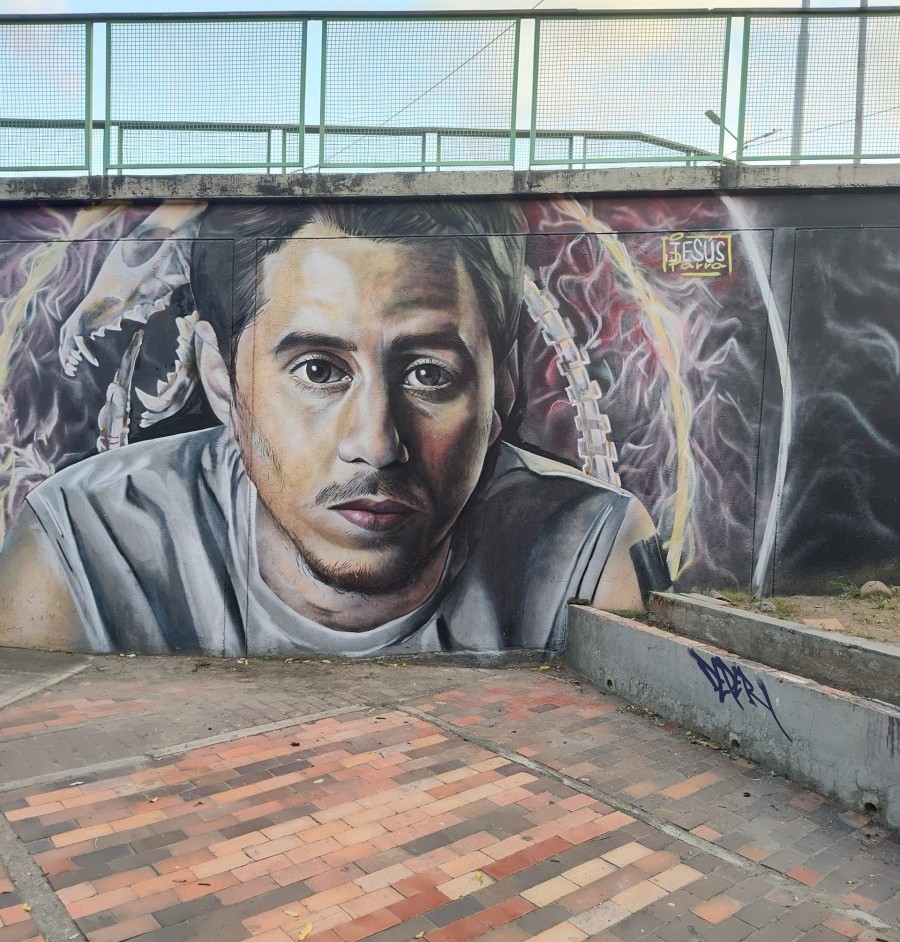
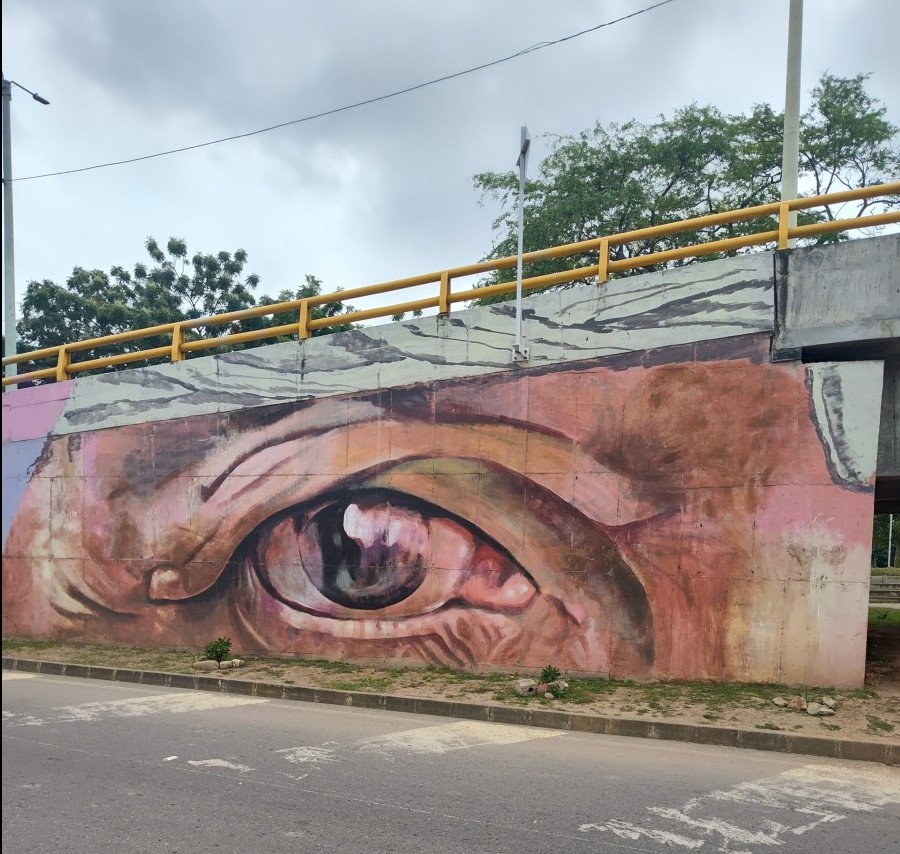
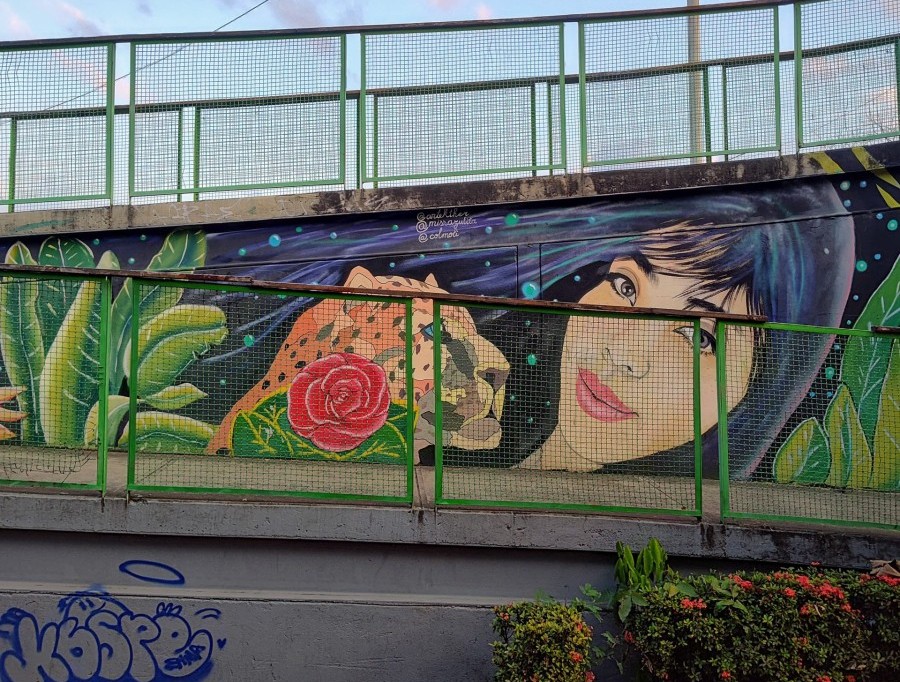
It’s not a major art destination yet, but it offers a more authentic, under-the-radar experience.
Bucaramanga: Limited but Evolving
Bucaramanga isn’t widely known for street art, but that doesn’t mean it doesn’t exist.
There are pockets of:
Urban murals
Youth-driven art initiatives
Smaller community-based projects
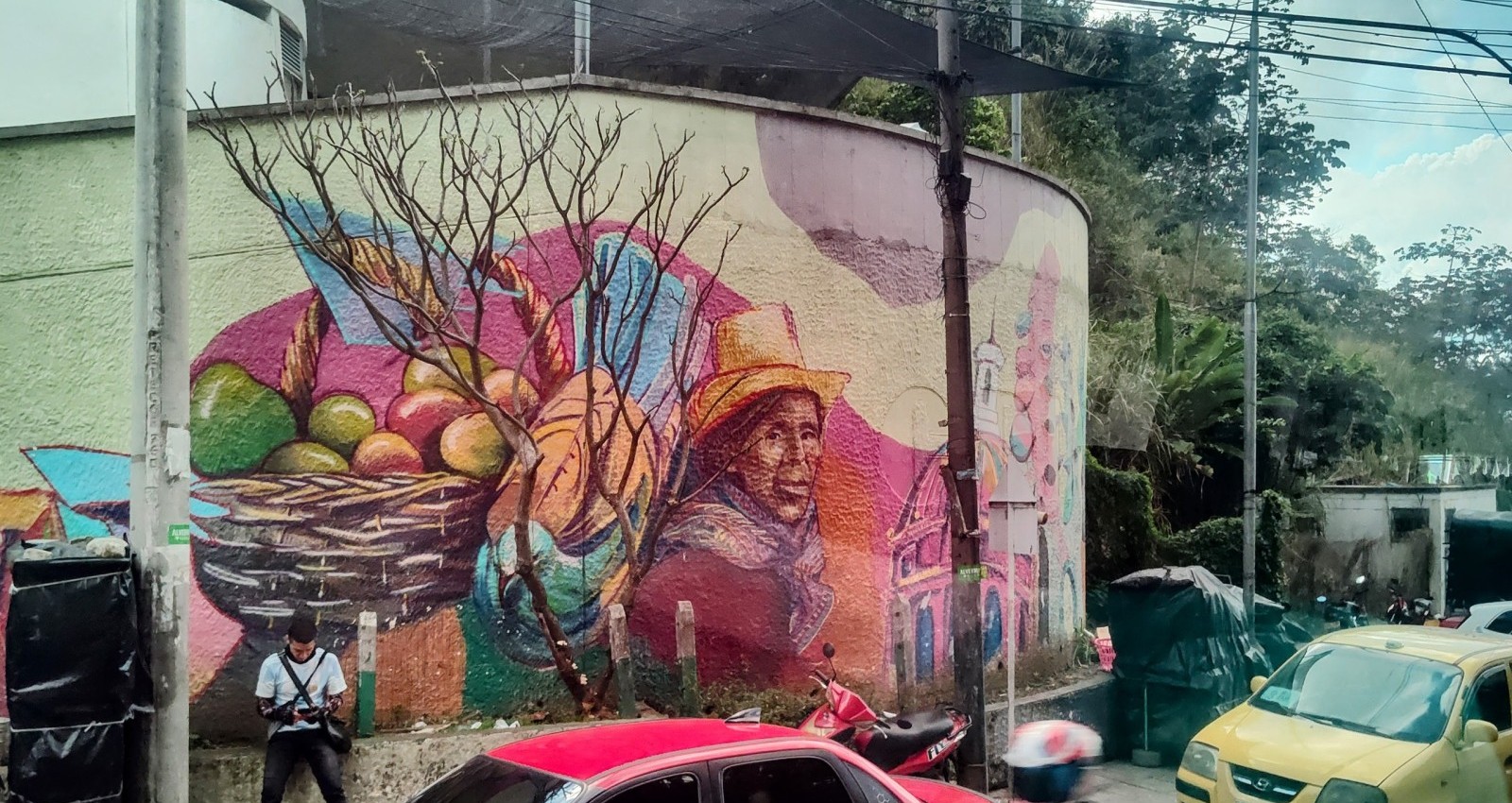
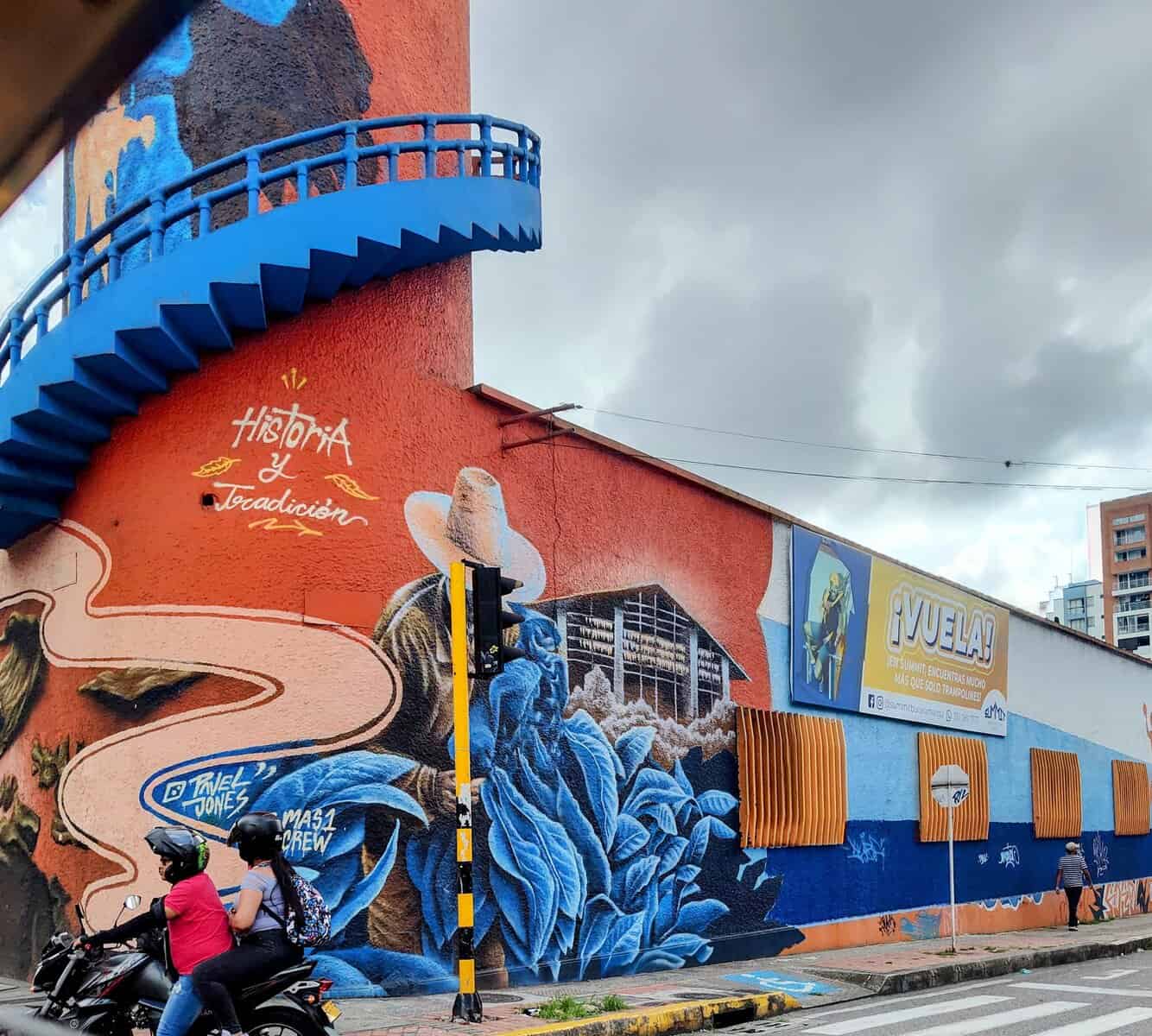
If you’re exploring the city, keep an eye out — sometimes the best pieces aren’t in guidebooks.
Other Notable Mentions
Cali – Known more for salsa, but has growing urban art
Barranquilla – Street art tied to carnival culture
Santa Marta – Small but scenic murals near coastal areas
These cities may not compete with Bogotá or Medellín, but they add depth to Colombia’s creative landscape.
Street Art Tours in Colombia: Are They Worth It?
Short answer: Yes — especially in Medellín and Bogotá.
Why Take a Tour
Learn the meaning behind murals
Understand historical context
Support local communities
Discover hidden artwork
In places like Comuna 13, a tour completely changes your experience.
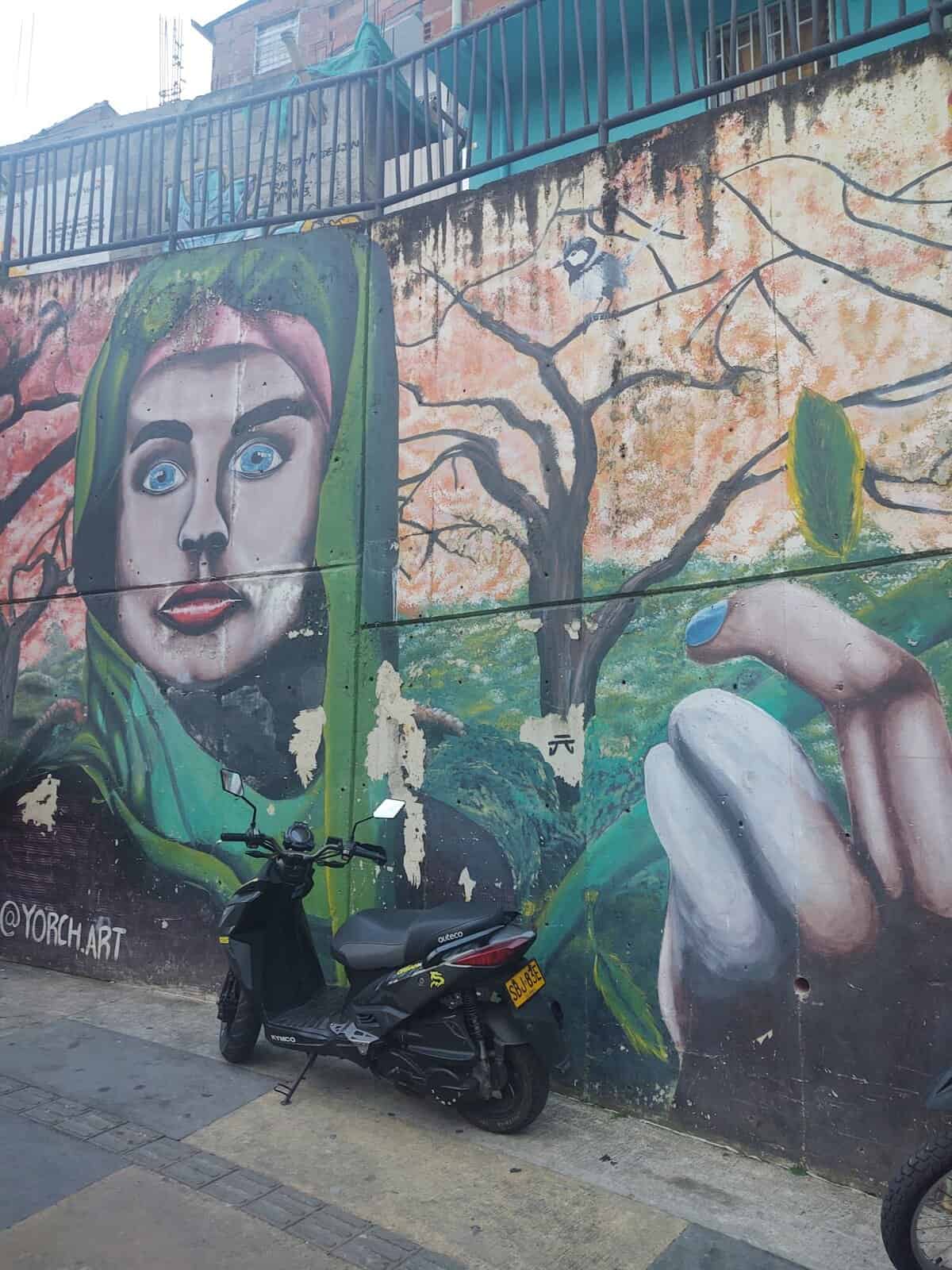
Photography Tips for Street Art in Colombia
If you’re building content (like you are), this matters.
Best Practices
Shoot early morning for better lighting
Include people for scale and context
Capture wide shots + detail shots
Respect locals and artists
Avoid blocking pathways
Street art content performs extremely well on:
Pinterest
Instagram
Travel blogs
You’re sitting on valuable content — use it.
Safety Tips When Exploring Street Art
Let’s keep it real — not every area is polished for tourists.
Stay Smart
Go during daylight hours
Use local guides in unfamiliar neighborhoods
Avoid flashing expensive gear
Stay aware of surroundings
Places like Comuna 13 are safe for visitors now — but still require common sense.
Why Street Art Should Be Part of Your Colombia Itinerary
Most travelers focus on:
Beaches
Nightlife
Food
But street art gives you something deeper:
Cultural understanding
Emotional connection
Unique storytelling
It turns a trip into an experience.
Final Thoughts: Colombia Through Its Walls
Street art in Colombia is one of the most powerful and underrated travel experiences in the country.
Each city tells its story differently:
Medellín shows transformation
Bogotá shows expression
Cartagena shows culture
And the smaller cities?
They show potential.
If you take the time to explore these urban galleries, you’ll walk away with more than photos — you’ll walk away with perspective.
Learn more about these cities here: Featured Spectacular Destinations Colombia