
Colombian Coffee Culture: Why It’s Famous Around the World

Colombian Coffee Culture: Why It’s Famous Around the World
Colombia is one of the most recognized coffee producers on the planet. For decades, the country has built a reputation for producing smooth, high-quality coffee beans enjoyed by millions of people every day.
But Colombian coffee is more than just a beverage—it’s a deeply rooted part of the country’s culture, economy, and daily life.
Understanding Colombian coffee culture means exploring the regions where coffee is grown, the traditions of coffee farming, and the growing popularity of coffee tourism.
The Coffee Cultural Landscape of Colombia
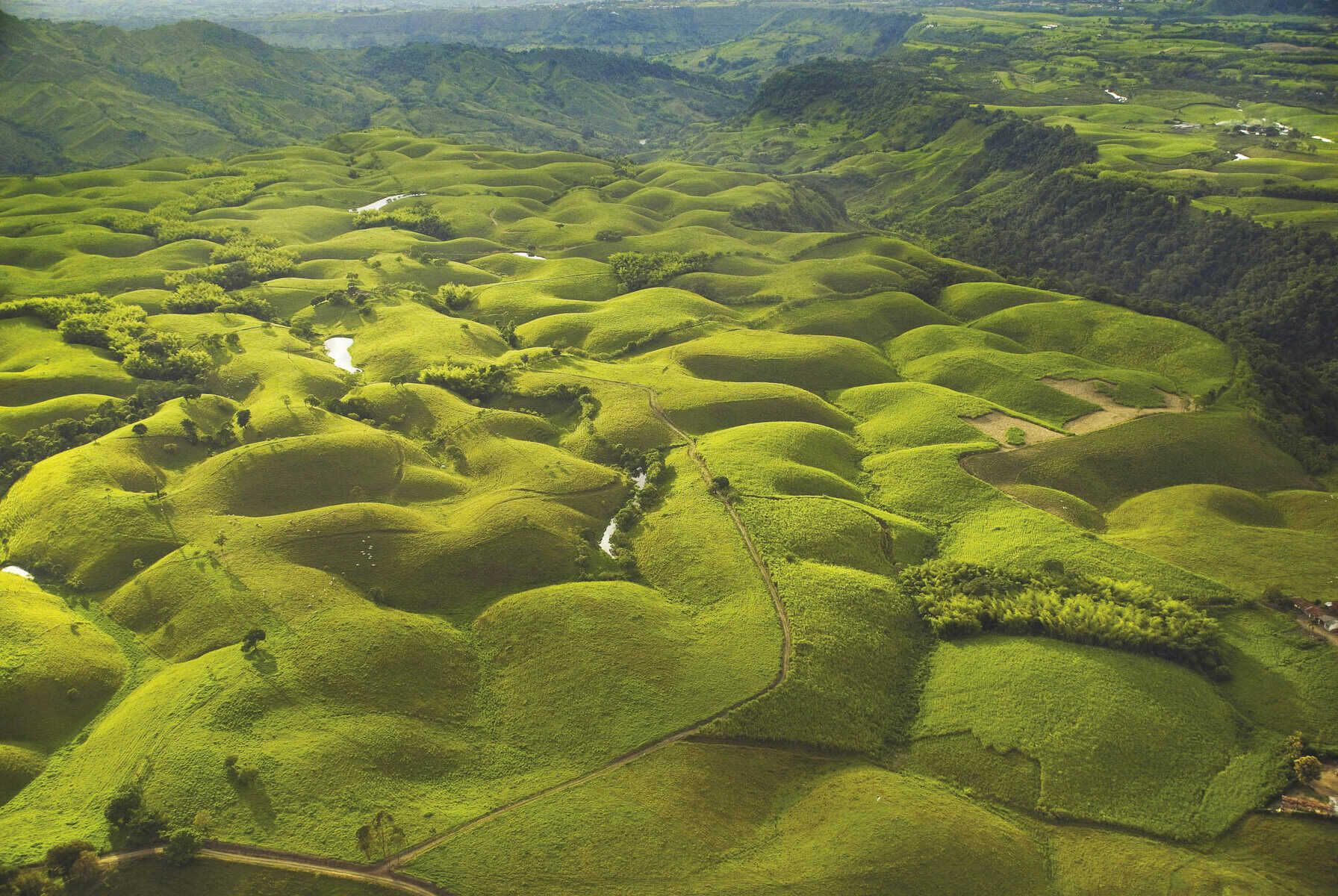
One of the most significant recognitions of Colombian coffee came when the Coffee Cultural Landscape of Colombia was designated a UNESCO World Heritage Site.
This region includes several departments known for producing exceptional coffee.
The landscape is characterized by:
Steep mountain farms
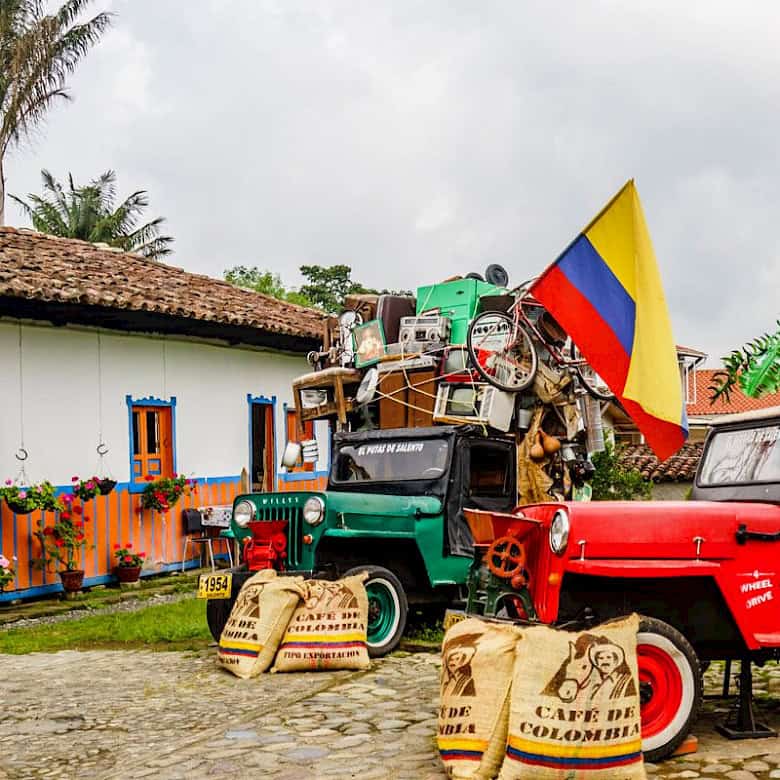
Traditional coffee villages
Sustainable farming methods
Generations of coffee-growing families
The area is not only important economically but also culturally.
Key Coffee Regions in Colombia
Armenia
Armenia is located in the heart of Colombia’s coffee region and serves as a major center for coffee production.
Visitors often travel to Armenia to experience coffee farms where they can see the entire coffee process—from harvesting beans to roasting.
Manizales
Another important coffee city is Manizales.
Located in the mountains of the Caldas department, Manizales is known for its high-altitude coffee farms and stunning landscapes.
The climate and elevation create ideal conditions for growing premium coffee beans.
Why Colombian Coffee Is So Good
Several factors contribute to the exceptional quality of Colombian coffee.
Ideal Climate
Colombia’s geography provides perfect conditions for coffee cultivation.
The country has:
Rich volcanic soil
Consistent rainfall
High altitudes
Tropical temperatures
These elements create an environment where coffee plants thrive.
Arabica Coffee Beans
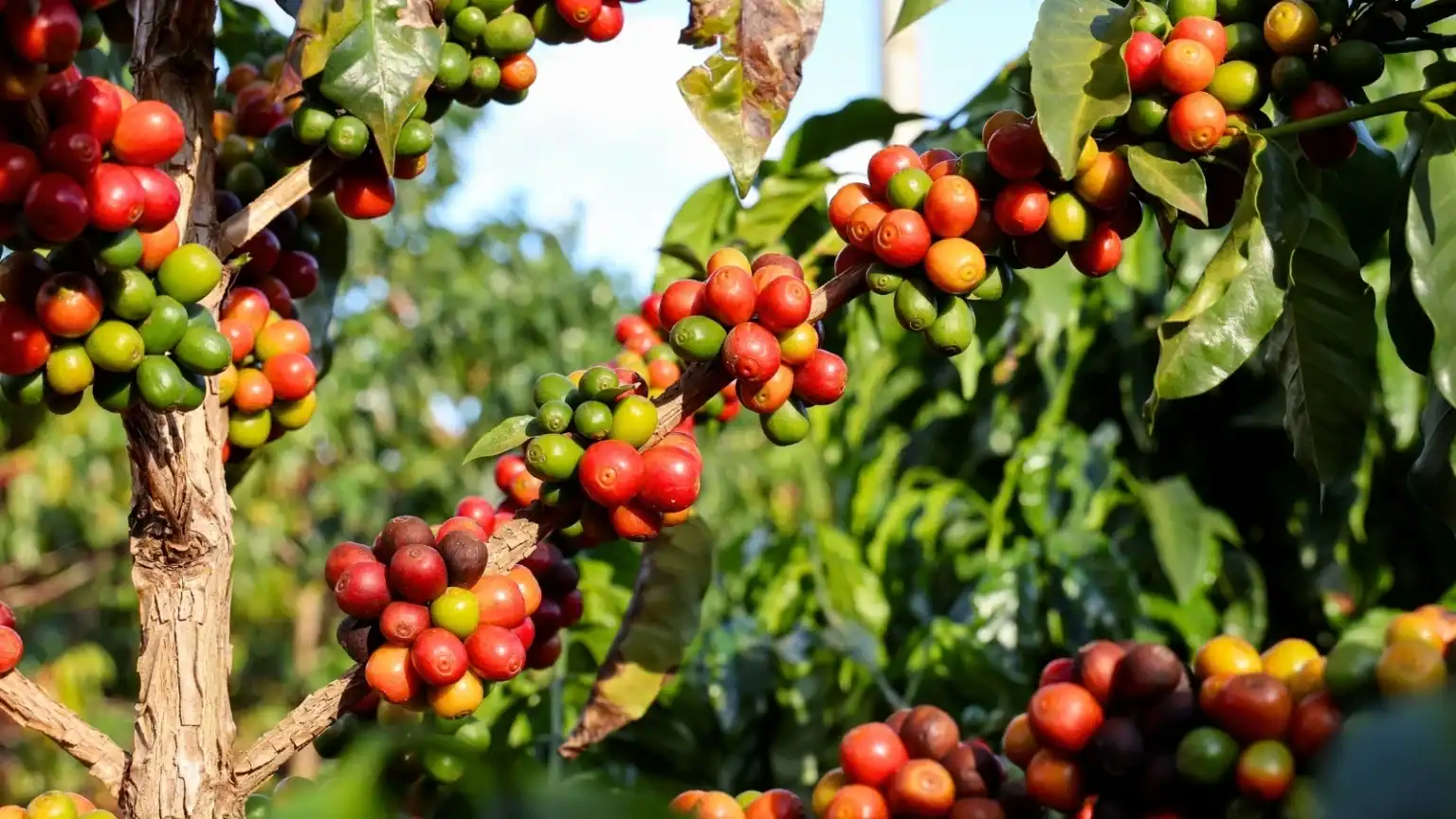
Colombia primarily produces Arabica beans, which are considered higher quality than Robusta beans.
Arabica coffee is known for its smooth taste and balanced acidity.
Hand-Picked Harvesting
Many Colombian coffee farms still harvest beans by hand.
This ensures that only ripe coffee cherries are selected, which improves quality and flavor.
Coffee in Daily Colombian Life
Coffee is a daily ritual in Colombia.
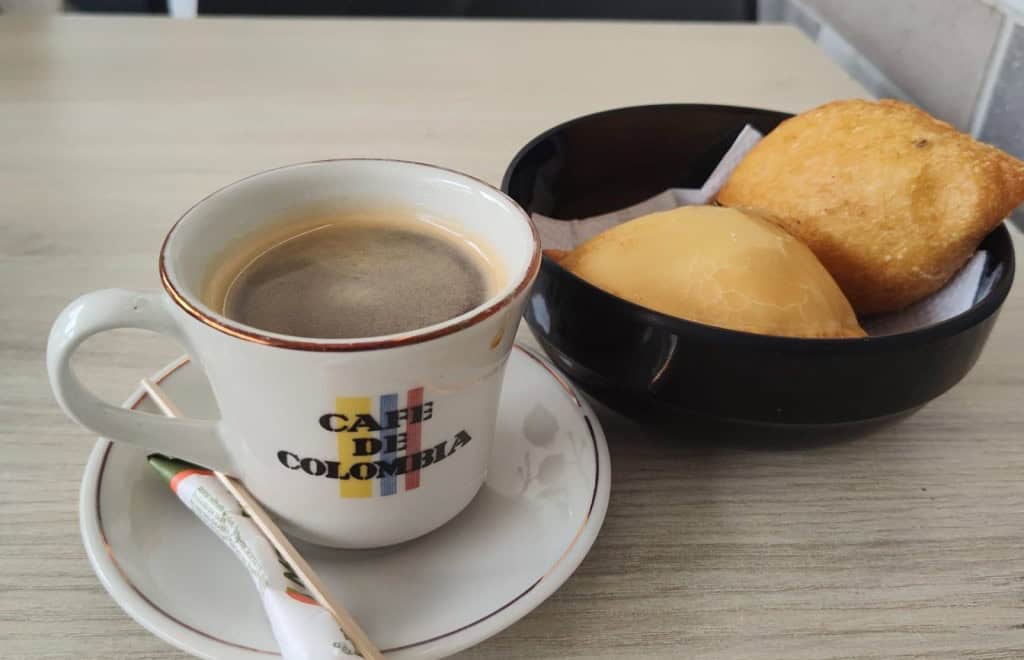
Throughout the country, you’ll see people drinking small cups of black coffee known as tinto.
Tinto is inexpensive and available almost everywhere, from cafés to street vendors.
For many Colombians, drinking coffee is also a social experience—an opportunity to pause, talk with friends, and enjoy a moment of relaxation.
Coffee Tourism in Colombia
In recent years, coffee tourism has become increasingly popular.
Visitors can stay at working coffee farms and learn about the entire production process.
Activities often include:
Coffee harvesting experiences
Roasting demonstrations
Coffee tastings
Guided farm tours
These experiences allow travelers to appreciate the work and tradition behind every cup.
Final Thoughts
Colombian coffee culture is built on generations of knowledge, dedication, and pride in producing one of the world’s most beloved beverages.
From the scenic coffee farms of the Andes to the small cafés serving freshly brewed tinto, coffee plays a central role in Colombian life.
For travelers exploring the country, visiting coffee regions and learning about the process behind Colombia’s famous beans offers a deeper understanding of this remarkable tradition.
Best Colombian Coffee to Bring Home: What’s Worth Buying vs Tourist Traps