
Retire in Colombia Pros and Cons (2026): Is Colombia Still a Good Place to Retire?

Retire in Colombia Pros and Cons: What I’ve Learned Living Here

retire in Colombia pros and cons

Retire in Colombia Pros and Cons

I didn’t move to Colombia because I couldn’t survive in the United States. I moved because I discovered that the same retirement income could buy me a very different life.

That’s an important distinction.

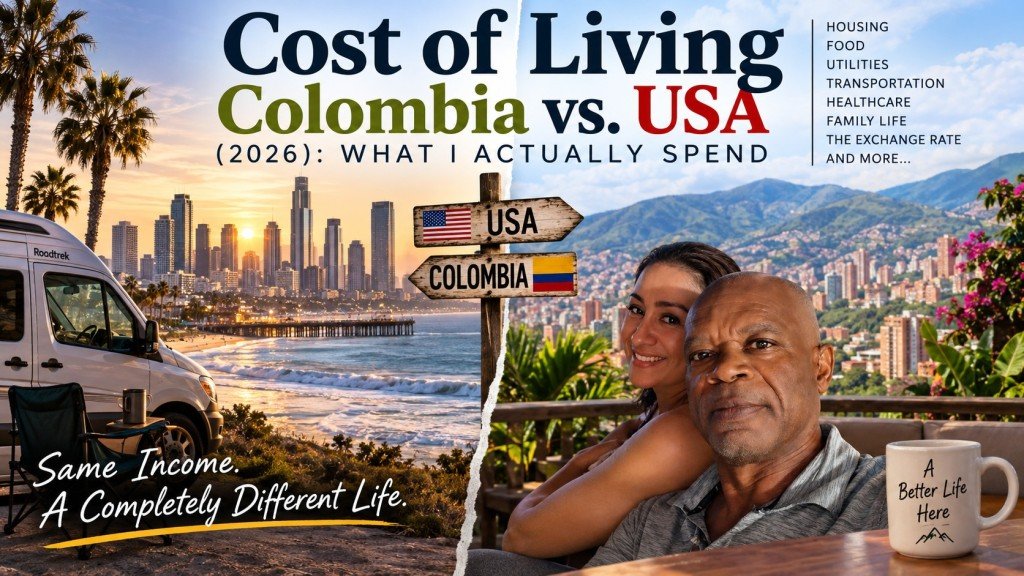
I retired in 2018, and for years I kept my expenses in the United States relatively low by living unconventionally. My Roadtrek van was both my home and transportation. That gave me freedom and helped make international travel possible, but it isn’t the same thing as maintaining a conventional home.

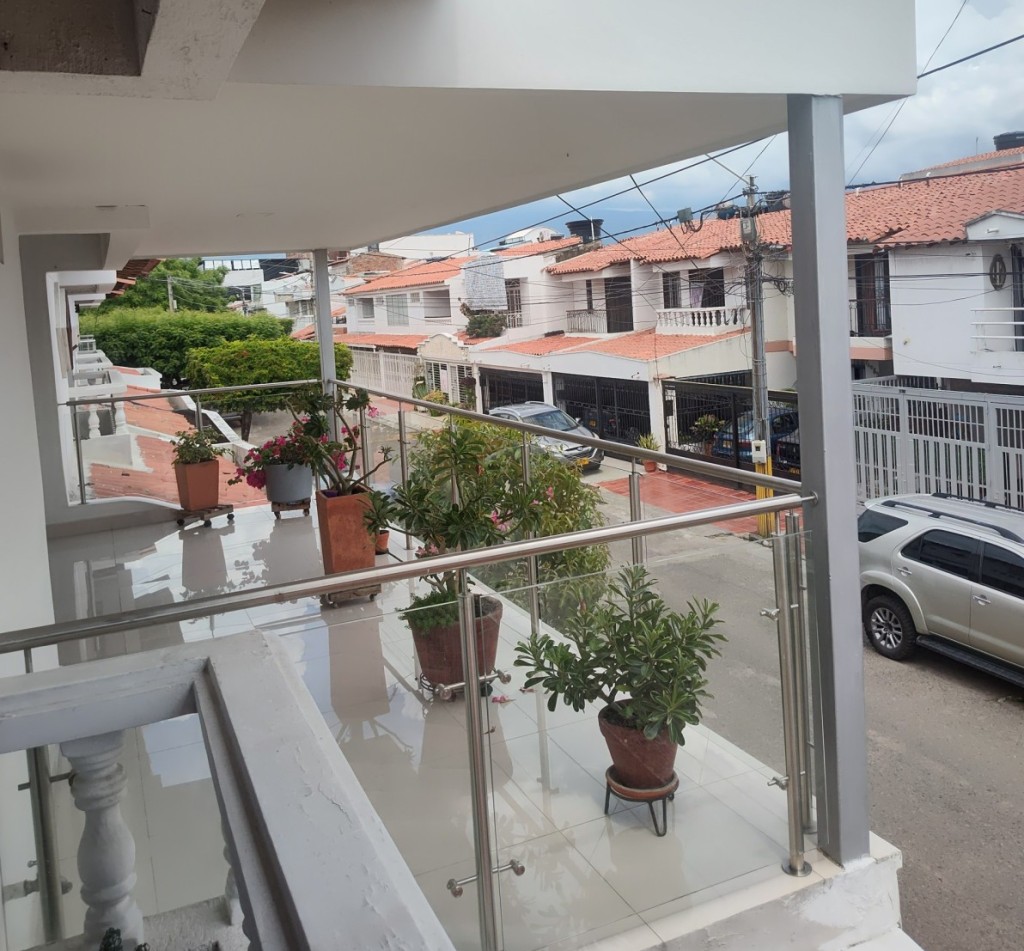
Today, my life in Colombia looks very different. I rent a house, maintain a household, eat out regularly, travel and enjoy a lifestyle that would cost considerably more if I tried to duplicate it in many parts of the United States.

But Colombia isn’t paradise.

If you’re searching retire in Colombia pros and cons, you probably already know about the beautiful scenery and lower prices. What you also need to understand are the exchange-rate swings, bureaucracy, language differences, security considerations and the adjustments that come with actually living in another country.

After living and traveling extensively in Colombia, I still believe the advantages outweigh the disadvantages for me.

That last part matters.


PRO: Your Retirement Income Can Buy a Different Lifestyle

The biggest advantage for me isn’t simply that individual things cost less in Colombia.

It’s what my retirement income allows me to do here.

There’s a difference between asking, “How cheap is Colombia?” and asking, “What kind of life can my income provide?”

In the United States, I was able to keep my expenses low partly because I wasn’t paying conventional rent. My Roadtrek served as both my home and vehicle. It worked for me, and I enjoyed the freedom, but if I had rented the type of home I wanted in Southern California while maintaining a vehicle and everything else that comes with a conventional American lifestyle, the calculation would have been very different.

In Colombia, I can rent a conventional home, pay utilities, support a household, eat in restaurants and still travel.

That’s the comparison that matters to me.

I’ve already gone much deeper into the actual numbers in my Cost of Living in Colombia vs USA (2026): What I Actually Spend article, so I won’t repeat everything here.

[INTERNAL LINK: Cost of Living in Colombia vs USA (2026): What I Actually Spend]


PRO: Housing Can Still Be Very Affordable

Housing is one of Colombia’s biggest advantages for a foreign retiree earning dollars.

What you pay depends enormously on the city, neighborhood, estrato, building and lifestyle you’re looking for.

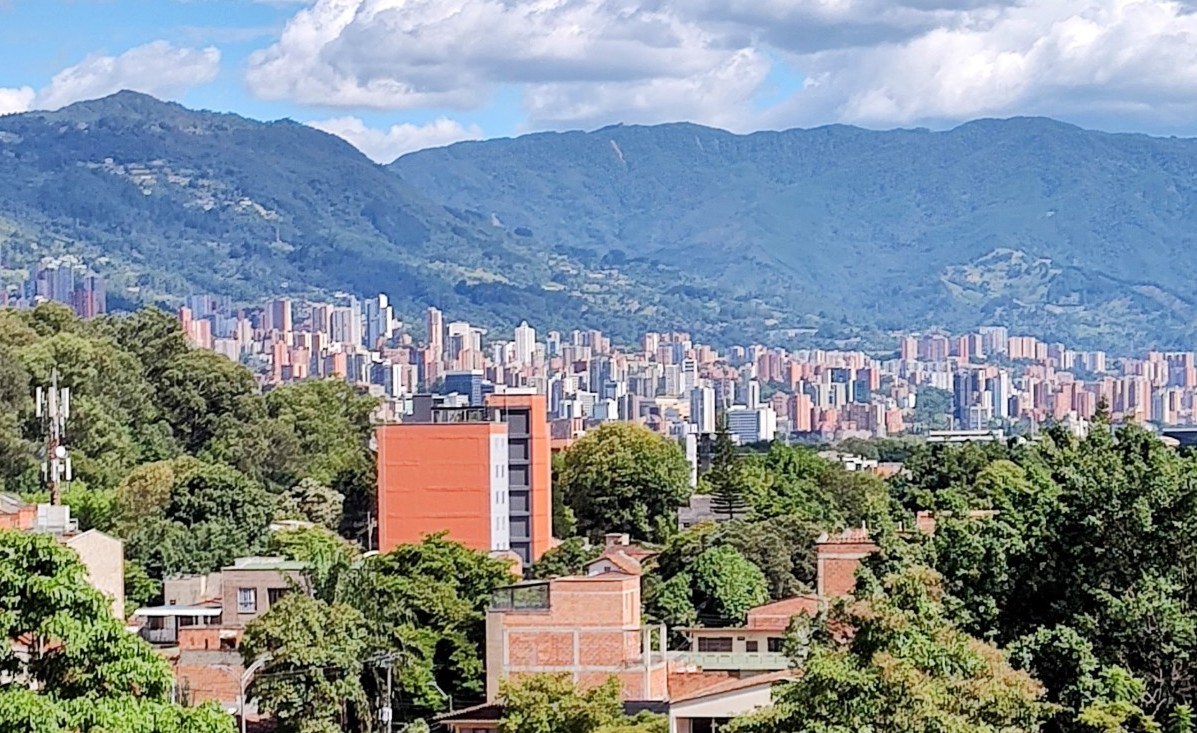
Medellín gets most of the international attention, but it isn’t your only option. I’ve traveled extensively around Colombia, and there are cities such as Bucaramanga, Manizales and others where someone looking for a conventional middle-class lifestyle should at least investigate the possibilities.

That’s one reason I’ve started looking beyond the usual expat destinations on ColombiaVibe.

[INTERNAL LINK: Cost of Living in Bucaramanga, Colombia (2026)]

[INTERNAL LINK: Cost of Living in Medellín, Colombia (2026)]

I wouldn’t choose a Colombian city based on the cheapest rent you can find online. Security, noise, climate, healthcare, transportation, neighborhood quality and proximity to the things you actually use are worth paying for.

Retirement shouldn’t become a competition to see how little money you can spend.


PRO: You Have Choices When It Comes to Climate

People sometimes talk about “the weather in Colombia” as though the entire country has one climate.

It doesn’t.

Elevation changes everything.

You can choose the warmer Caribbean coast, the spring-like climate associated with Medellín, cooler mountain areas around the Coffee Region, or hotter cities such as Cúcuta.

That’s a major advantage if you’re considering retirement because you’re not simply choosing a country. You’re choosing the part of Colombia that fits the lifestyle and climate you prefer.

I’ve traveled through many parts of the country, and I don’t think someone should decide where to retire based solely on YouTube videos or somebody else’s favorite city.

Spend time there first.

[INTERNAL LINK: Best Places to Retire in Colombia (2026)]


PRO: Eating Out and Everyday Life Can Be Affordable

One of the things I enjoy about living in Colombia is that eating out doesn’t necessarily have to be a special occasion.

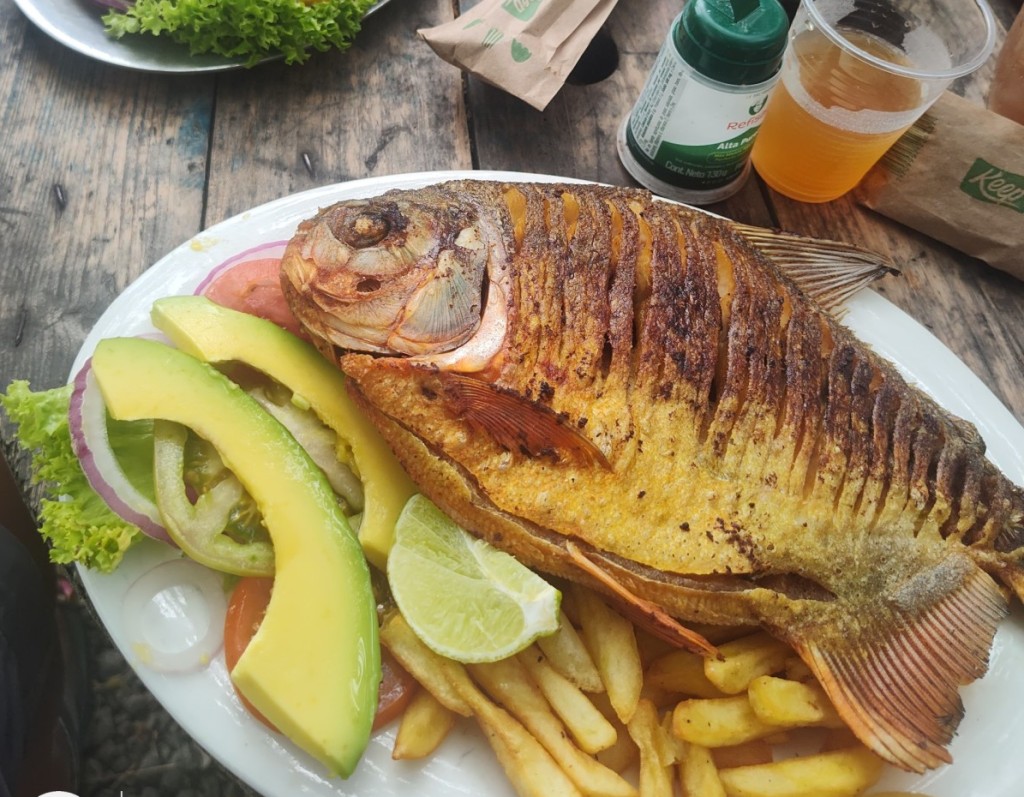
We can go out for a local lunch for around $5 per person. I’ve also had a good baby beef steak dinner for roughly $22 at the exchange rate at the time.

Of course, you can spend considerably more. Colombia has upscale restaurants, imported foods, expensive shopping malls and plenty of ways to burn through money.

But you don’t necessarily need a large entertainment budget just to get out of the house and enjoy yourself.

That’s part of the lifestyle advantage that doesn’t always show up when someone simply compares rent prices.

[INTERNAL LINK: How Much Does It Cost to Eat Out in Colombia? A Realistic 2026 Guide]


PRO: Healthcare Can Be a Major Retirement Advantage

Healthcare becomes more important as we get older.

I’ve had medical care in both the United States and Colombia, and Colombia offers a combination of public and private healthcare options that makes it worth serious consideration for retirees.

That doesn’t mean every hospital is excellent or that every medical experience will be perfect. Healthcare quality and access can vary by city, provider and insurance arrangement.

But Colombia has substantial medical infrastructure in its larger cities, and many healthcare expenses can be significantly less than what Americans are accustomed to paying.

I’ve also experienced the difference with dental care. A root canal and crown that could become a significant expense in the United States cost me roughly $330 in Colombia.

For someone planning to retire abroad, however, healthcare deserves its own research. Don’t move somewhere simply because the rent is cheap and then discover that the medical services you need are several hours away.

[INTERNAL LINK: Healthcare in Colombia for Retirees (2026): Costs, Insurance & What to Expect]


PRO: Colombia Is a Great Country for Domestic Travel

This is a big one for me.

Retirement gave me the freedom to travel, and Colombia gives me an enormous amount to explore without leaving the country.

I’ve traveled to Medellín, Cartagena, Santa Marta, San Andrés, Bogotá, Villa de Leyva, Bucaramanga, San Gil and other parts of Colombia. And these places don’t all feel the same.

Mountains, beaches, colonial towns, major cities, coffee country and Caribbean destinations are all available domestically.

For me, retirement isn’t supposed to mean sitting in the same apartment every day because that’s the cheapest possible way to live.

I want to experience things.

Colombia gives me plenty to experience.


Now Let’s Talk About the Cons

This is where some retirement discussions lose credibility.

If somebody tells you Colombia is perfect, they’re selling you something.

There are real disadvantages to retiring here, and some of them have become more noticeable to me after actually living in the country rather than simply visiting it.


CON: The Exchange Rate Can Change Your Budget Without Your Permission

This may be one of the most misunderstood risks for American retirees in Colombia.

If your income arrives in U.S. dollars but most of your expenses are in Colombian pesos, your purchasing power changes with the exchange rate.

As of September 15, 2026, the market exchange rate is around COP 3,097 to US$1. Colombia is also dealing with inflation: DANE reported annual consumer inflation of 6.24% in August 2026.

Here’s why the exchange rate matters.

Suppose your Colombian expense is COP 2,000,000.

At COP 4,000 per dollar, that’s:

$500

At approximately COP 3,097 per dollar, it’s about:

$646

The Colombian price didn’t change at all.

Your cost in dollars increased by almost 29%.

That’s significant.

I’ve watched the exchange rate move while living here, and I think retirees make a mistake when they construct a budget using one favorable exchange rate and assume that’s what Colombia will always cost.

Build some cushion into your budget.

I’ve also talked about the Colombian peso and the exchange rate in one of my videos. I’ll include that video at the end of this article for anyone who wants to hear more of my thoughts on how the exchange rate affects living in Colombia.


CON: Colombia Is Getting More Expensive Too

Lower cost doesn’t mean no inflation.

Colombia’s annual inflation rate was 6.24% in August 2026, according to DANE.

Rent can rise. Food prices rise. Utilities change. Wages rise. Imported goods can be expensive.

And if you’re an American receiving dollars, you can get hit from two directions at once: Colombian prices can increase in pesos while a stronger peso makes each of those pesos more expensive in dollars.

That’s another reason I don’t like articles promising that everyone can live in Colombia for some ridiculously low monthly number.

Maybe you can.

The better question is whether you can build a lifestyle here that you actually enjoy and sustain it when conditions change.


CON: Colombian Bureaucracy Can Test Your Patience

I’ve had enough experience with Colombian paperwork to say this without hesitation:

You need patience.

Visas, cédulas, banking, certificates, government websites, appointments and document requirements don’t always proceed in the neat sequence you expect.

Sometimes the online system works.

Sometimes it doesn’t.

Sometimes you think you’re finished and discover another document or another visit is required.

That’s part of living abroad.

The pension visa is one potential path for retirees. Colombia’s Foreign Ministry currently requires an M Pensionado applicant to document a lifetime monthly pension of at least three Colombian minimum legal monthly wages, along with other requirements including criminal-background documentation, a medical certificate and health coverage in Colombia.

For 2026, Colombia’s minimum monthly wage was set at COP 1,750,905, so three minimum wages would be about COP 5.25 million per month.

Visa rules can change, so always verify the requirements with Colombia’s Foreign Ministry rather than relying solely on a blog—including mine.

Colombia Ministry of Foreign Affairs — M Pensionado Visa

[INTERNAL LINK: Colombia Retirement Visa Guide (2026)]


CON: You Have to Deal With the Language

Can you live in Colombia without speaking fluent Spanish?

Yes.

Would I recommend making no effort to learn Spanish?

No.

Translation apps are enormously helpful, and technology makes living abroad much easier than it would have been 20 years ago.

But you’re living in a Spanish-speaking country.

The person at the neighborhood store isn’t required to speak English. Neither is your landlord, taxi driver, plumber, government employee or the person answering the telephone at a doctor’s office.

You don’t need perfect Spanish to begin living your life here, but learning more Spanish makes that life easier and allows you to participate more fully in the country you’ve chosen.


CON: Safety Still Requires Awareness

I don’t believe in portraying Colombia as either extremely dangerous or completely safe.

Neither is useful.

Security can vary considerably by city and neighborhood. There are places where I feel comfortable and situations where I pay much closer attention to what’s around me.

You need situational awareness.

Don’t flash expensive electronics unnecessarily. Learn where you’re going. Understand the neighborhoods. Ask local people questions. Pay attention when you’re using your phone on the street.

And don’t assume that because you’ve been somewhere for six months you suddenly understand every situation around you.

At the same time, I wouldn’t have built a life here if I believed I had to live in constant fear.

There is a reasonable middle ground between paranoia and carelessness.


CON: You Are Still Living in Another Country

This sounds obvious until someone actually moves abroad.

Colombia isn’t the United States with cheaper restaurants and better scenery.

You’re going to encounter different attitudes toward time, family, communication, customer service, noise, bureaucracy, personal space and countless other parts of everyday life.

Some differences you’ll love.

Some will irritate you.

And some you’ll simply have to learn to live with.

If your expectation is that Colombia should change to accommodate the way things worked back home, you’re probably setting yourself up to be miserable.

One of the lessons I’ve learned from international travel is that you can’t go looking for another culture and then resent it for being different.


CON: Family and Friends in the United States Are Still Far Away

This is another expense and consideration that doesn’t always make the retirement spreadsheet.

I still return to the United States.

That means airfare, transportation, accommodations or other arrangements, and the time involved in international travel.

For retirees with children, grandchildren, medical needs, property or other obligations in the United States, those trips may be important.

A $1,500 monthly Colombian lifestyle doesn’t tell the whole story if you’re spending several thousand dollars every year traveling back and forth.

Include that in your retirement planning.


Retire in Colombia Pros and Cons: Who Is This Lifestyle Really For?

I think Colombia can work extremely well for a certain kind of retiree.

You don’t necessarily have to be adventurous, wealthy or fluent in Spanish.

But you do need some flexibility.

If you can accept cultural differences, tolerate occasional frustration, learn enough Spanish to function, manage your money responsibly and understand that living abroad requires adaptation, Colombia offers a lot.

If you’re moving only because you’ve heard Colombia is cheap, I would think harder about it.

Cheap isn’t enough.

You need to actually like the country.

You need to like the people, the food, the climate and the rhythm of everyday life. You need to be comfortable being the foreigner sometimes instead of expecting everyone else to accommodate you.

And before selling everything you own, come here and spend some time.

Not a four-day vacation.

Rent an apartment. Buy groceries. Deal with transportation. Walk around on an ordinary Tuesday. Experience the neighborhood at night. See how you feel when you’re no longer behaving like a tourist.

That’s when you begin learning whether Colombia could actually be home.


So, Is Colombia Still a Good Place to Retire in 2026?

For me, yes.

Colombia gives me a lifestyle that would be difficult for me to duplicate in the United States on the same retirement income.

But my reasons for staying go beyond money.

I’ve traveled throughout the country. I’ve experienced Colombian culture beyond the tourist areas. I’ve dealt with the paperwork and frustrations as well as the enjoyable parts. I’ve watched prices and exchange rates change. And I’ve built an actual life here rather than simply taking an extended vacation.

Colombia isn’t as inexpensive for someone earning dollars today as it was when the exchange rate was above 4,000 pesos to the dollar. Prices aren’t frozen. Bureaucracy can be frustrating. Security requires awareness. Living in another language and culture requires adjustment.

Those are real cons.

But affordable housing, healthcare options, domestic travel, climate choices, restaurants, culture and the overall lifestyle available to me remain very real pros.

That’s why I wouldn’t tell someone, “You should retire in Colombia.”

I’d tell them:

Come see Colombia for yourself.

Figure out what kind of life you want, what it actually costs, and whether the advantages that matter to me are the same advantages that matter to you.

Because ultimately, the best country to retire in isn’t necessarily the cheapest one.

It’s the place where the life you can afford is also a life you actually want to live.


If you’re seriously considering living or retiring in Colombia, there are also expenses that don’t always show up in the typical cost-of-living estimates. I talked about some of those in the video below: “The Hidden Cost of Living in Colombia Nobody Talks About.”

Colombian Peso Exchange Rate: How the Dollar Really Affects Your Cost of Living

Wise in Colombia: How I Transfer Money From the U.S. and Manage My Money

Retire in Colombia Pros and Cons (2026): Is Colombia Still a Good Place to Retire?

Cost of Living in Colombia vs USA (2026): What I Actually Spend

How Much Does It Cost to Eat Out in Colombia? A Realistic 2026 Guide

Monthly Budget Calculator for Living in Colombia (2026): Estimate Your Monthly Expenses

Colombia Retirement Visa Guide (2026) Things to Know Before You Apply

Renting an Apartment in Colombia

Best Places to Retire in Colombia (2026): My Top Picks After Traveling the Country

Cost of Living in Medellín, Colombia (2026): Can You Live Comfortably on $2,000 a Month?

Can You Retire in Colombia on $2,000 a Month? A Realistic 2026 Budget Guide

Cost of Renting vs Airbnb in Colombia (2026 Guide for Expats & Travelers)

How to Set Up Your Banking System in Colombia (For Expats & U.S. Income)

Best Colonial Towns in Colombia You Should Visit

10 Hidden Gems in Colombia Most Tourists Miss

Leave a Reply

Your email address will not be published. Required fields are marked *