

Living in Colombia as an American: What Surprised Me Most
Living in Colombia as an American
When people ask me what surprised me most about Colombia, I sometimes have trouble answering. Not because there haven’t been surprises, but because I’ve spent much of my life adapting to different environments, meeting people from different backgrounds, and eventually traveling to places I never imagined visiting when I was younger.
My first trip to Colombia was in October 2021. I spent 14 days in Medellín and another three days in Cartagena. Nearly five years later, I’m married to a Colombian woman, living in Cúcuta, and seriously considering moving to another part of the country.
Along the way, I’ve learned quite a bit about Colombian culture, the cost of living, relationships, language, and what it actually means to establish a life outside the United States.
But perhaps the biggest surprise is that living in Colombia as an American hasn’t changed who I am nearly as much as it has changed how I’m able to express myself.
And that’s something I never really anticipated.
My Experience With Different Cultures Started Long Before Colombia
I grew up in Los Angeles, California, and my family moved around quite a bit. I attended several elementary schools and junior high schools before eventually graduating from Santa Monica High School.
Moving around meant experiencing different neighborhoods, economic circumstances, and cultures. I didn’t grow up surrounded by only one type of person or one particular way of living.
Southern California also has a tremendous Mexican-American influence. Growing up, I had Mexican-American classmates, friends, and coworkers, and I became familiar with certain aspects of the culture.
I remember being someone that other students who were learning English felt comfortable approaching. I was patient with them, and they could practice speaking English without feeling embarrassed.
I didn’t think much about it at the time. It was simply how I interacted with people.
What I didn’t understand then was how different that experience would feel when I eventually became the person struggling to communicate in another language.
That realization would come much later.
Traveling Through Latin America Changed My Perspective
For many years, most of my exposure to Latin culture came through my experiences in California.
Then I started traveling internationally.
Costa Rica was one of my earliest international experiences, and I remember being intrigued by the language, the people, and the different way of life.
Traveling through Mexico gave me another perspective. I began noticing differences between the Mexican-American culture I knew growing up and everyday life in Mexico itself.
I visited places such as Irapuato and eventually traveled through other parts of the country.
Later, I visited Ecuador, including Guayaquil, and began recognizing more differences in language, food, customs, and how people approached everyday life.
Eventually, my travels would also take me to Panama, Argentina, and other destinations throughout Latin America.
One of the biggest lessons was becoming increasingly obvious.
Latin America isn’t one culture, and everything Latin American isn’t Mexican.
That might sound obvious to someone who grew up in these countries, but for an American whose earliest experiences were primarily with Mexican culture, it was an important realization.
And when I finally arrived in Colombia, that lesson became even more interesting.
My First Impression of Medellín Was Something Special
I arrived in Colombia in October 2021, beginning with two weeks in Medellín.
I had already done some research, watched videos, and developed an interest in the country. Still, there’s a difference between researching a destination and actually experiencing it.
Medellín immediately made an impression on me.
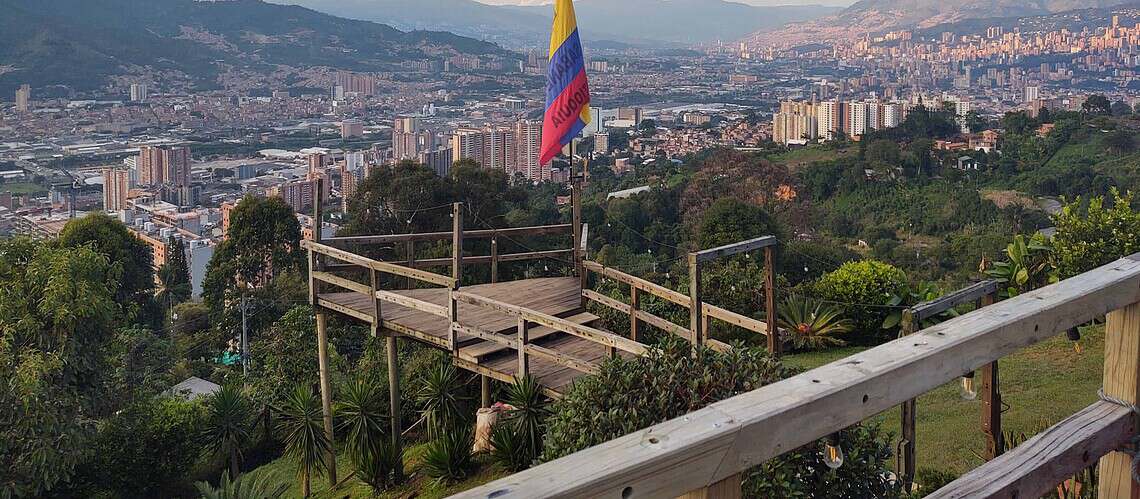
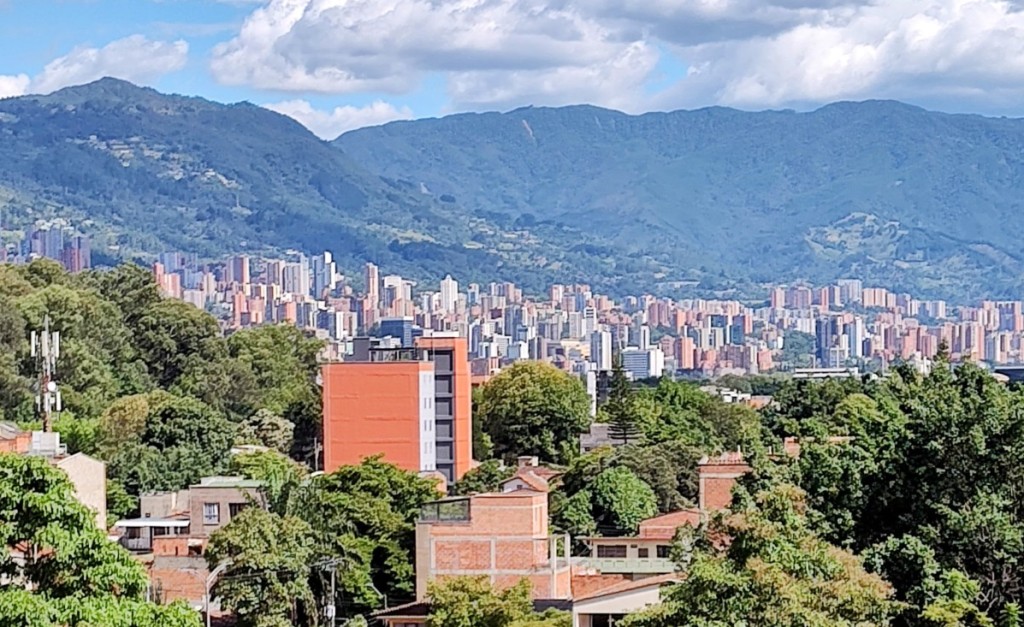
The mountains surrounding the city, the green landscape, the neighborhoods built along the hillsides, and the overall atmosphere were enchanting.
Then there was the weather.
Medellín is known as the City of Eternal Spring, and coming from the San Diego area of California, I could appreciate a climate that wasn’t constantly too hot or too cold.
The city had a certain energy that appealed to me. It felt modern in some ways, traditional in others, and surrounded by scenery that made simply traveling around enjoyable.
I’ve returned to Medellín since that first visit, and the attraction hasn’t disappeared.
In fact, nearly five years later, I’m looking seriously at Rionegro and the surrounding area as a possible place to live.
Sometimes your first impression of a place turns out to be more meaningful than you initially realize.
And Medellín has stayed with me.

Colombian Spanish Was One of My First Surprises
One of the first things I noticed when arriving in Colombia was the Spanish.
After growing up around Mexican Spanish and spending time in Mexico and other Latin American countries, Colombian Spanish sounded different to me.
In Medellín, particularly, the rhythm seemed somewhat slower and more deliberate than what I was accustomed to hearing.
I liked the sound of it.
Of course, Colombian Spanish varies considerably by region. Someone from Medellín doesn’t necessarily sound like someone from Cartagena, Bogotá, or Cúcuta.
But that first impression stuck with me.
Unfortunately, enjoying the sound of a language and understanding it are two entirely different things.
And that’s where my biggest personal challenge begins.
My Biggest Challenge Living in Colombia as an American Is Spanish
If there’s one thing I would do differently, it would be to put more effort into learning Spanish.
I took two years of Spanish in high school. At the time, I was mostly interested in passing the classes and moving on.
I certainly wasn’t thinking about living in Latin America decades later.
Before and after coming to Colombia, I spent time using Duolingo and other methods to improve my Spanish. I made some progress, but not nearly as much as I would have liked.
Today, I can manage certain conversations and everyday situations, but I’m still far from being comfortable communicating in Spanish.
And there’s another complication.
I have some hearing difficulties, which make distinguishing certain sounds, tones, and words even more challenging.
I can hear people speaking, but understanding everything they’re saying is another matter.
I’m Not Quite the Same Person When I Speak Spanish
This is probably the most frustrating part.
In English, I’m naturally conversational. I enjoy meeting people, telling stories, discussing experiences, and sharing opinions.
I’ve spent much of my professional life communicating with people from different backgrounds.
But in Colombia, I often become the quiet guy.
I’m cordial, respectful, and friendly, but I can’t always participate in conversations the way I normally would.
Sometimes I know exactly what I want to say, but I don’t have the vocabulary to express it.
Other times, I understand part of a conversation but miss enough that responding becomes difficult.
It’s an interesting experience because I remember being the person in Los Angeles who patiently listened to people practicing their English.
Now I’m on the other side.
And I have a greater appreciation for what those people were experiencing.
I don’t spend much time regretting things in life. That’s simply not how I operate.
But I do recognize that learning Spanish more seriously would make my experience living in Colombia considerably richer.
And I’m still working on it.
The Cost of Living Was Another Pleasant Surprise
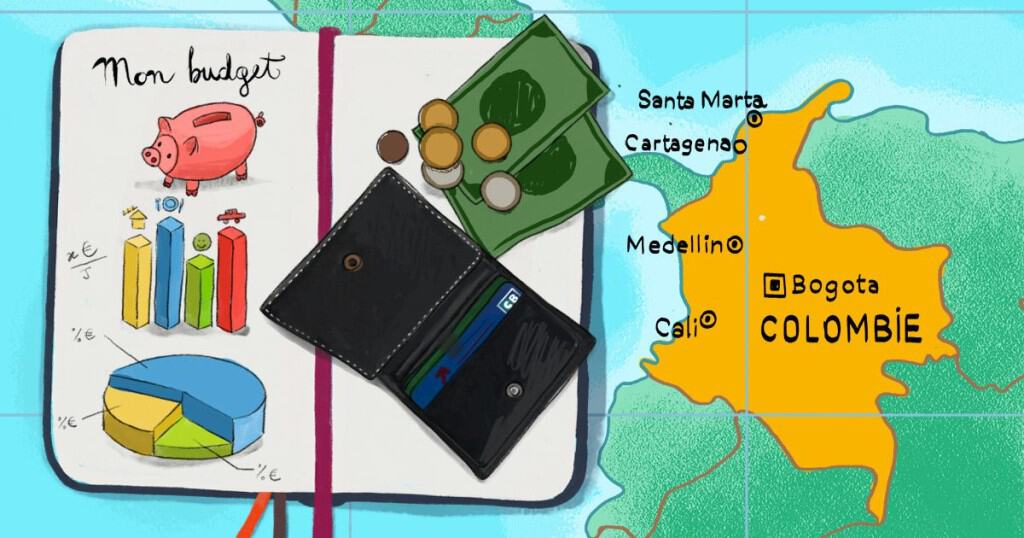
When I first arrived in Colombia in 2021, the exchange rate was particularly favorable compared with what Americans had been accustomed to paying for many things back home.
I remember being impressed by how inexpensive everyday activities seemed.
Restaurants, transportation, entertainment, and many other expenses were significantly lower than what I was used to in Southern California.
And the quality wasn’t necessarily lower.
In fact, some experiences were better.
Over time, I’ve watched the Colombian peso strengthen and weaken against the dollar. I’ve also seen local prices increase.
That means the Colombia I experienced financially in 2021 isn’t exactly the same Colombia I’m experiencing in 2026.
But even with those changes, I still find considerable value here.
Living Here Is Different From Vacationing Here
There’s an important distinction between spending a couple of weeks in Colombia and actually maintaining a household.
Today, I’m paying rent, utilities, groceries, transportation, and other family expenses.
I’ve experienced living in both estrato 2 and estrato 4 neighborhoods in Cúcuta.
Those experiences have given me a much more realistic understanding of what different lifestyles cost.
And I’ve learned that your housing choices, family circumstances, location, and personal expectations can make an enormous difference.
Someone living alone in a modest apartment isn’t going to have the same expenses as someone supporting a household.
That’s why I always encourage people considering retirement in Colombia to look beyond the attractive monthly budgets they see online.
Your actual lifestyle determines what Colombia will cost you.
Colombian Food Took Some Getting Used To
Another surprise was the food.
Growing up in Southern California, I was very familiar with Mexican food.
But as I traveled through Costa Rica, Ecuador, and eventually Colombia, I discovered that Latin American food varies considerably from country to country.
In Costa Rica, I became more familiar with plantains and other foods that weren’t necessarily part of my everyday diet.
Colombia introduced me to additional dishes and different ways of preparing familiar ingredients.
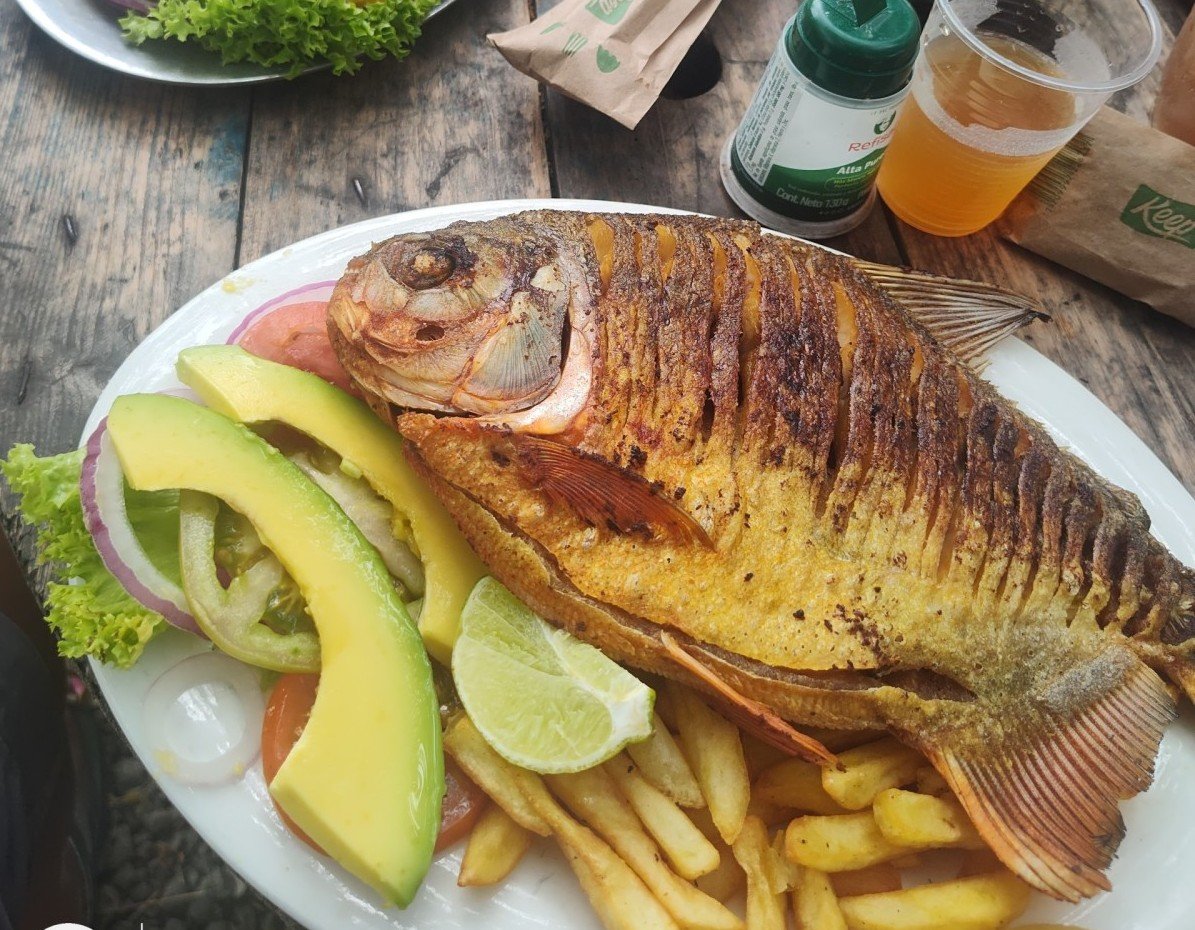
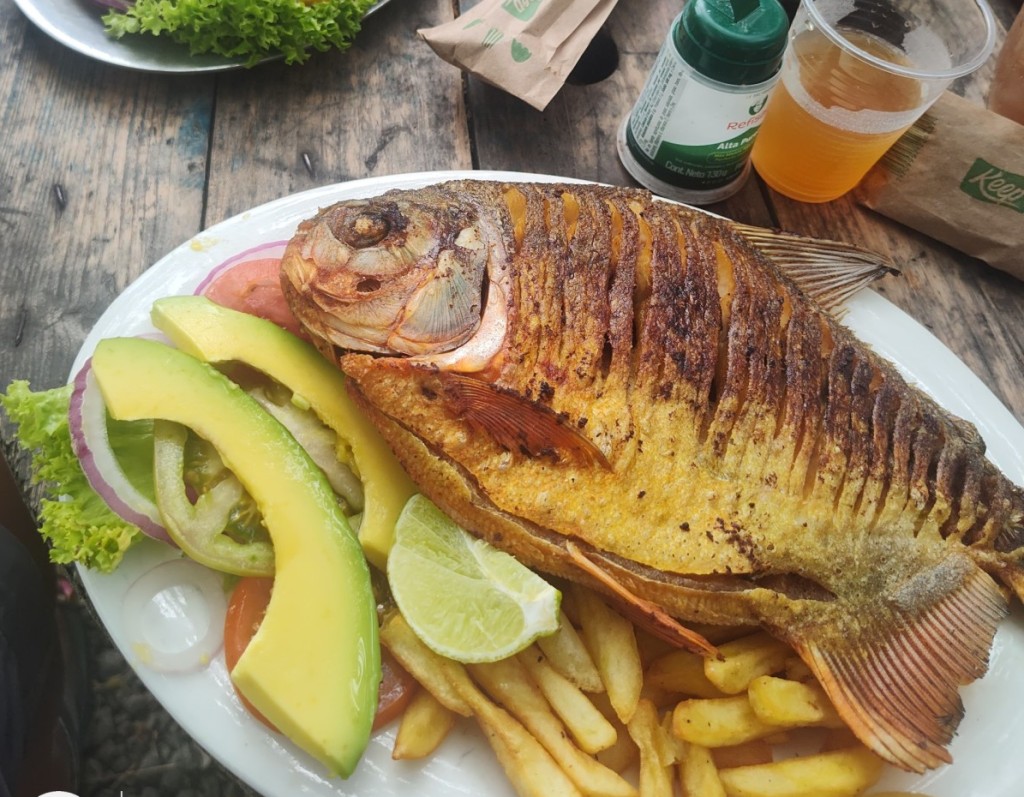
Plantains, chicharrón, soups, rice dishes, and regional specialties became part of the experience.
Some things took getting used to.
And some things still aren’t necessarily what I would choose every day.
But I enjoy trying different foods, and I’ve developed an appreciation for Colombian cooking.
What Really Impressed Me Was the Restaurant Experience
One thing I’ve consistently enjoyed throughout Latin America is the quality of many restaurants.
People take pride in preparing food.
Meals often arrive freshly cooked and hot, and the overall experience can be very satisfying.
And then there’s the price.
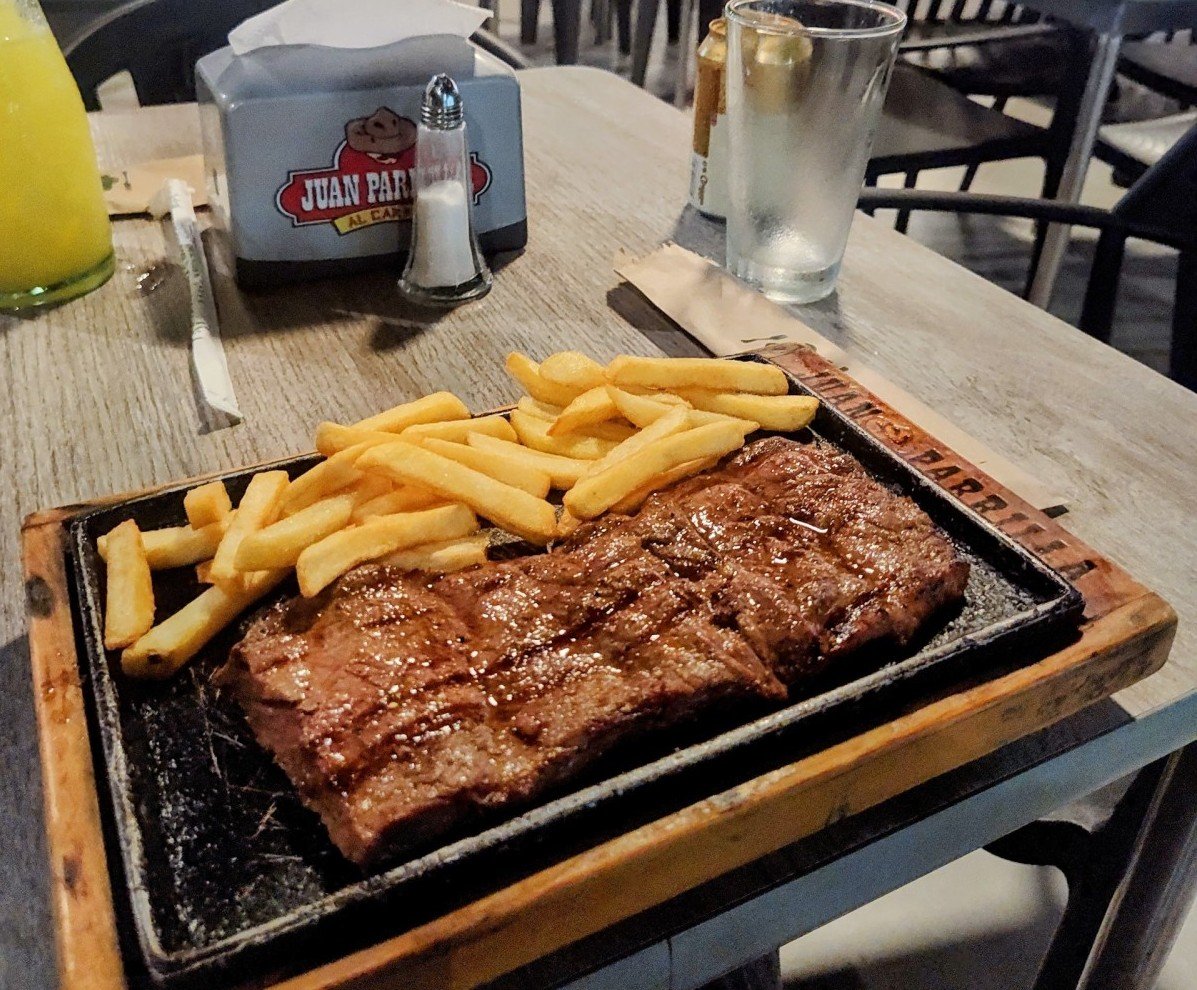
Even with changes in the exchange rate, I can still enjoy restaurant meals in Colombia for considerably less than comparable experiences in many parts of the United States.
I don’t have to eat at expensive establishments to enjoy a good meal.
Sometimes a simple neighborhood restaurant provides exactly what I’m looking for.
That’s one of the everyday pleasures I’ve come to appreciate.
Colombia Has Many Different Cultures Within One Country
One thing traveling has taught me is not to judge an entire country based on one city.
Colombia is a perfect example.
Medellín has its Paisa culture, with its own traditions, expressions, food, and regional identity.
Cartagena feels entirely different.
Its Caribbean atmosphere, architecture, music, and history create another experience altogether.
Then there’s Palenque, which I visited during my travels around Cartagena.
Learning about its Afro-Colombian heritage and historical significance added another dimension to my understanding of the country.
Bogotá offers yet another perspective.
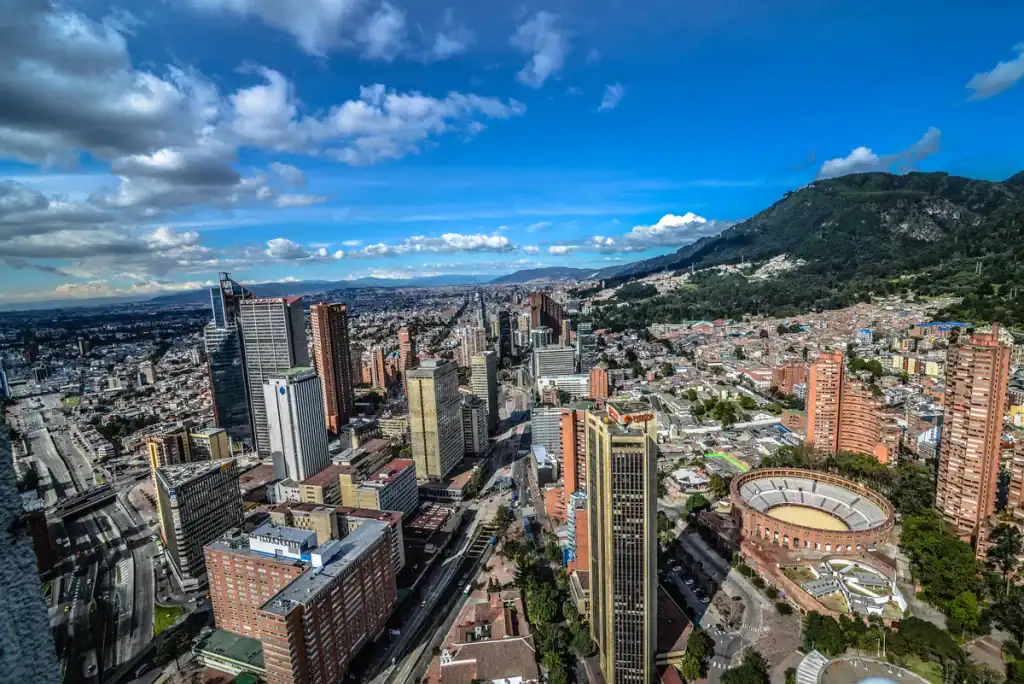
It’s a large capital city with a different climate, pace, and atmosphere.
I’ve visited Bogotá more than once, and my experiences there have been enjoyable. On my more recent trip, I spent time exploring the city and also traveled into Boyacá.
That experience reminded me how dramatically the landscape and atmosphere can change as you move through Colombia.
Then there’s Cúcuta, where I currently live.
It’s a border city with its own economic circumstances, climate, and regional identity.
I’ve also visited Bucaramanga and other destinations, and I’m interested in exploring more of Colombia’s Coffee Region.
I haven’t experienced everything Colombia offers, and I don’t pretend otherwise.
But I’ve seen enough to understand that living in Medellín, Bogotá, Cartagena, or Cúcuta can feel like living in very different places.
That’s one reason I continue traveling.
Colombian Women Definitely Caught My Attention
I might as well be honest about this part.
Before I ever traveled to Colombia, I had spent time looking at online dating profiles from women throughout Latin America.
I used LatinAmericanCupid and explored profiles from several countries, including Mexico, Costa Rica, Ecuador, Brazil, and Colombia.
For whatever reason, Colombian women stood out to me.
There was something about their appearance, presentation, and personalities that intrigued me.
In fact, I remember occasionally feeling a little intimidated by some of the profiles.
I would look at them and hesitate before starting a conversation.
Of course, attractive women exist throughout Latin America and everywhere else in the world.
And physical attraction doesn’t tell you much about whether two people are compatible.
But that initial attraction was certainly part of what sparked my interest in Colombia.
Dating Eventually Became Marriage
When I first started exploring Colombia, I wasn’t necessarily planning to get married.
I was retired, traveling, meeting people, and enjoying the freedom I’d worked toward.
But life doesn’t always follow the plan you originally imagined.
I eventually met the woman who became my wife.
And marriage introduced me to a completely different side of Colombian life.
Dating someone while visiting a country is one experience.
Living together, sharing responsibilities, managing household expenses, and becoming part of a family is another.
I’ve learned considerably more about Colombia through everyday family life than I ever could have learned through dating profiles or short visits.
Relationships Also Introduced Me to Colombia’s Economic Reality
One thing that became increasingly apparent while meeting women in Colombia and other Latin American countries was how different employment opportunities and earning potential could be.
I’ve met women who operate small businesses, provide beauty services, work in salons, or pursue other ways of earning money.
Some are very skilled at what they do.
But having a skill or running a small business doesn’t necessarily mean having enough customers to generate a comfortable income.
I’ve also met women who have children, work hard, and still struggle financially.
And this isn’t simply about education.
Even people with professional qualifications can earn considerably less than someone performing similar work in the United States.
That creates another consideration for someone like me who is retired.
Dating Someone Who Works Versus Someone Who Doesn’t
As a retired person, I have flexibility with my time.
I enjoy traveling, exploring, and having someone available to share experiences.
Dating someone with a demanding work schedule can make that difficult.
But being involved with someone who doesn’t have meaningful income can create a different set of responsibilities.
Neither situation automatically makes a relationship better or worse.
It’s simply something worth understanding.
And I don’t believe someone’s income determines whether they’re a good person or a good partner.
I’ve met plenty of good, hardworking women who are doing the best they can with the opportunities available to them.
That’s part of the economic reality of living in Colombia.
It’s also something that becomes much more apparent when you move beyond tourism and begin building personal relationships.
Safety in Colombia: My Experience Has Been Different From Some of the Stories
Safety is probably one of the most discussed subjects when Americans consider traveling to Colombia.
And I understand why.
I’ve watched videos and listened to stories about stolen phones, robberies, dishonest taxi drivers, and other unfortunate experiences.
My wife and her children regularly remind me to be careful.
They know the country and understand the risks.
But my personal experiences have generally been positive.
I’ve traveled through numerous Colombian cities and neighborhoods without experiencing the kinds of incidents that dominate some online discussions.
That doesn’t mean those incidents aren’t real.
It simply means they haven’t defined my experience.
I Don’t Walk Around Expecting Something Bad to Happen
Growing up in Los Angeles and traveling through different parts of the United States exposed me to a wide range of neighborhoods and economic circumstances.
I’ve also visited places in Mexico, Ecuador, Costa Rica, and other countries where people warned me to be careful.
I remember traveling through Irapuato, Mexico, and spending time in Guayaquil, Ecuador.
There were places where I understood that additional awareness was necessary.
But I’ve never believed that everyone in a struggling neighborhood is looking for an opportunity to victimize someone.
Most people are simply trying to live their lives.
That doesn’t eliminate the need for common sense.
I pay attention to my surroundings, avoid unnecessarily exposing valuables, and try not to put myself in situations that create additional risks.
And I recognize that crime, economic inequality, and limited opportunities are genuine issues in Colombia.
The U.S. State Department currently advises Americans to reconsider travel to Colombia because of several risks, with stronger warnings for certain regions. Those advisories deserve attention, particularly when deciding where to travel. Travel State
But I also believe there’s a difference between understanding risk and allowing fear to determine every experience.
For me, Colombia hasn’t felt like a country where people are simply waiting for an American to appear.
That’s my personal experience, not a guarantee of anyone else’s safety.
I’ve Come to Appreciate the Simpler Side of Colombian Life
One of the things I enjoy most about Colombia is watching people enjoy relatively simple activities.
Families spend time together in parks.
People gather in public spaces, sit around talking, enjoy food, or simply spend time outside.
There’s something refreshing about that.
Not every activity has to involve spending a significant amount of money.
And people seem capable of enjoying themselves without constantly chasing the next expensive experience.
Of course, Colombians have ambitions, financial pressures, and personal goals just like everyone else.
I don’t want to romanticize poverty or suggest that people wouldn’t appreciate better opportunities.
But I do appreciate seeing how people make the most of what they have.
Even the Shopping Malls Feel Different
Here’s something I never expected to appreciate.
Shopping malls.
I’ve never been particularly enthusiastic about spending time in malls.
But in Colombia, I’ve noticed that many malls are lively gathering places.
People are shopping, eating, walking around, meeting friends, and spending time with family.
There are often activities and entertainment that make the experience more interesting.
I compare that with some shopping centers I’ve visited around Carlsbad and other parts of Southern California, where the atmosphere can feel considerably quieter.
I don’t suddenly love shopping.
But I do enjoy the atmosphere.
And that’s another example of how everyday life can feel different.
Colombian Bureaucracy Is Something I Still Haven’t Learned to Enjoy
Now, not everything about living in Colombia is pleasant.
Government procedures can be frustrating.
And once you’re living here rather than visiting, you eventually have to deal with them.
Visas, identification documents, banking requirements, registrations, and other administrative procedures can involve considerable paperwork.
Sometimes the instructions aren’t particularly clear.
Sometimes you need another document.
And sometimes you simply have to wait.
For someone who doesn’t speak fluent Spanish, the process can become even more challenging.
I’ve experienced that firsthand while handling my immigration paperwork, obtaining my Colombian identification, and dealing with other administrative requirements.
It’s not necessarily that these procedures are impossible.
They can simply be slow, tedious, and difficult to navigate.
And when you’re accustomed to doing many things online in the United States, the experience can test your patience.
I’ve learned to prepare my documents, double-check requirements, and allow extra time.
But I can’t say I’ve learned to enjoy the process.
That’s one part of Colombian life I could happily do without.
Living in Cúcuta Has Given Me a Different Perspective
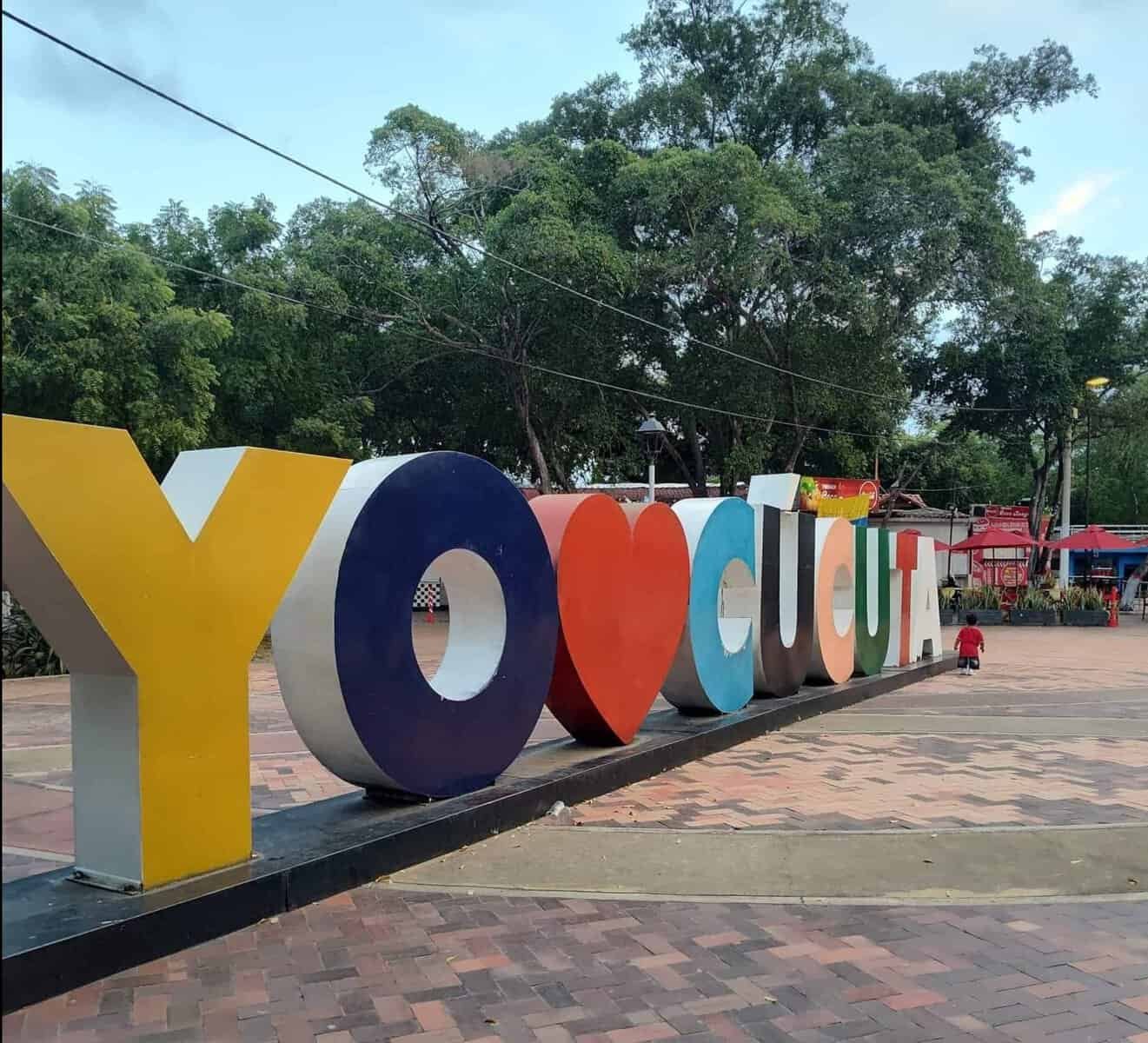
I’ve spent much of my time in Colombia living in Cúcuta.
And while I’ve adapted to the city, I wouldn’t necessarily say it’s where I would have chosen to settle if I were making the decision entirely on my own.
My wife has family connections here, and those relationships are important.
So our current location reflects more than just my personal preferences.
In some ways, I’m living the life that was already established here before I became part of it.
And that’s okay.
I’ve spent much of my life adapting to different situations.
It’s something I’ve had to do since childhood.
I’ve Experienced Different Living Standards Here
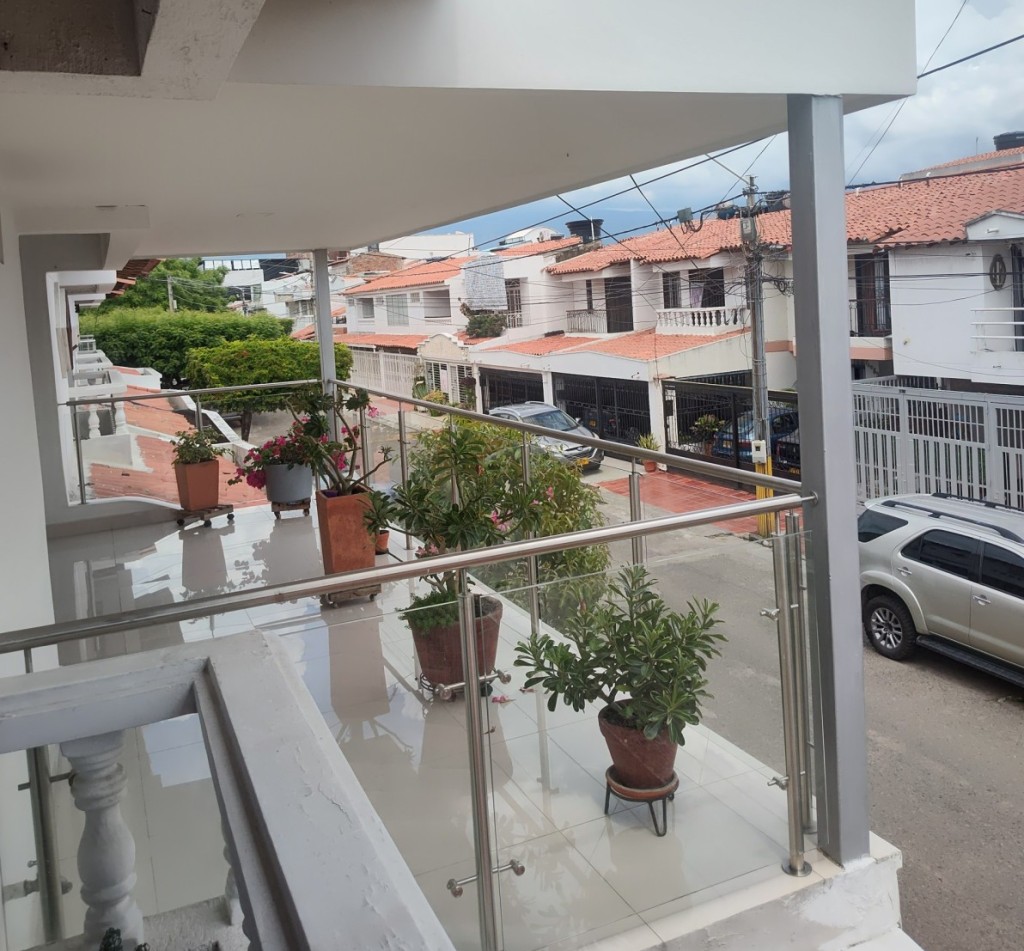
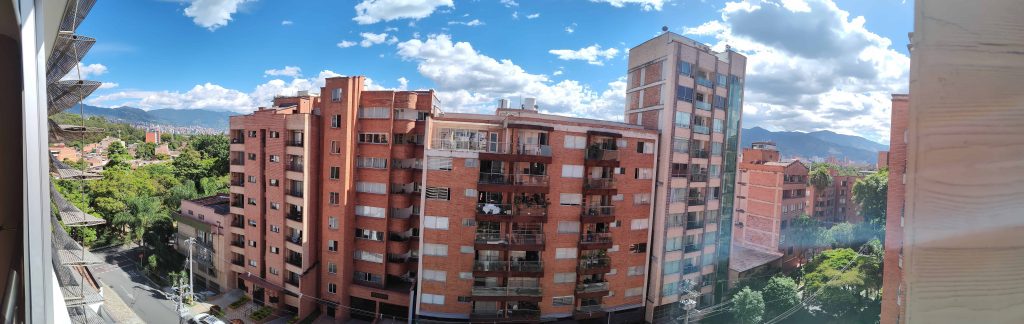
Living in both estrato 2 and estrato 4 neighborhoods has given me a better understanding of how housing and daily life vary within the same city.
I’ve seen differences in housing quality, surroundings, utilities, and the general living environment.
I’ve also learned that living comfortably in Colombia doesn’t necessarily mean living inexpensively.
The lifestyle you choose matters.
In Cúcuta, the heat is another factor.
Air conditioning becomes an important part of everyday comfort, and that can affect electricity expenses considerably.
That’s one reason I’m interested in moving somewhere with a cooler climate.
I don’t dislike everything about Cúcuta.
But I also don’t believe I have to remain in one place simply because I’ve become accustomed to it.
Why I Keep Coming Back to Rionegro
If you’ve followed my travels, you know that I enjoy exploring different places.
And I’m still interested in finding the location that offers the best combination of lifestyle, climate, convenience, and affordability.
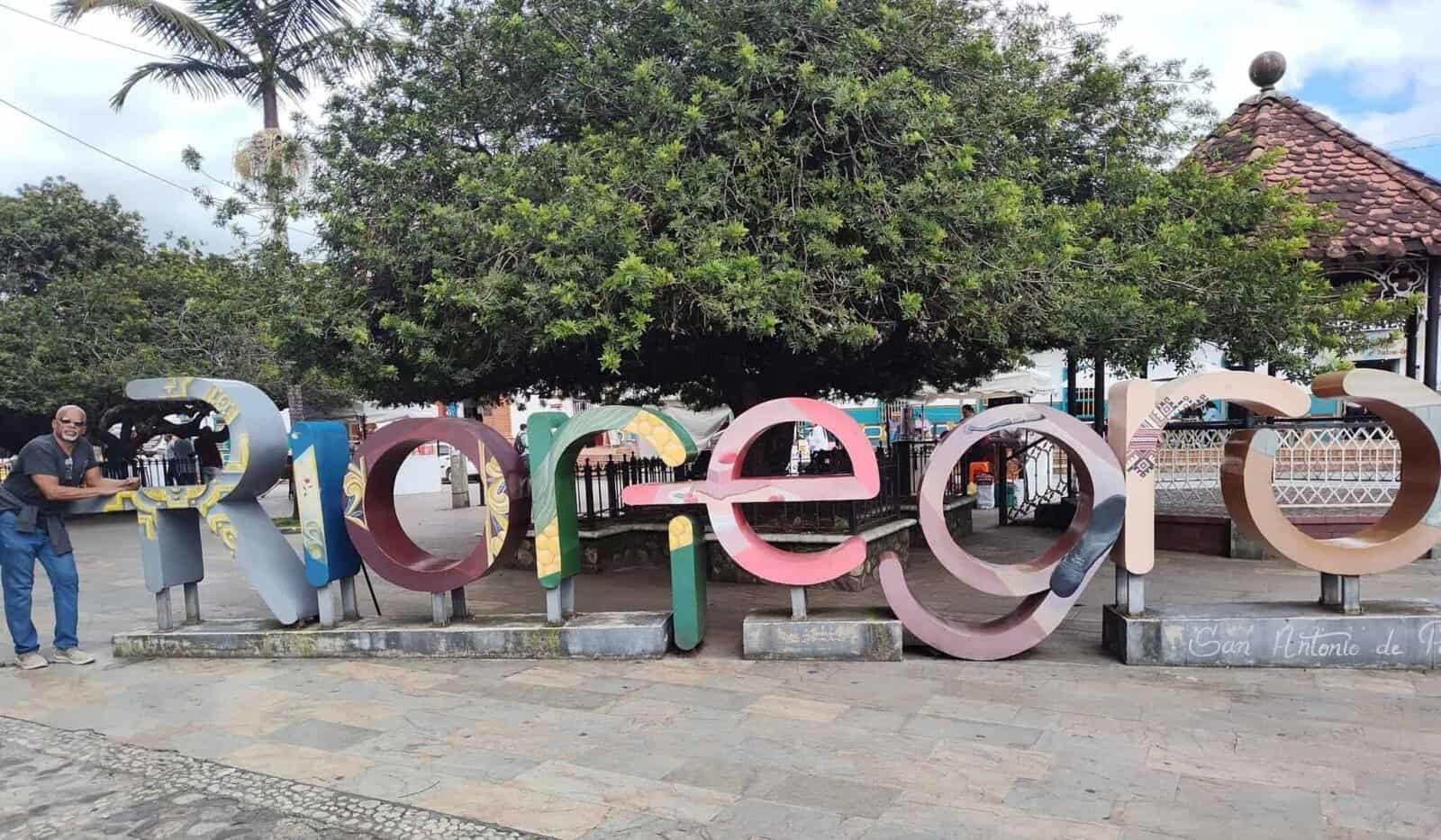
Rionegro keeps coming back to the top of my list.
It’s close to Medellín, which made such a strong impression on me during my first visit.
It offers a cooler climate than Cúcuta.
And it provides convenient access to José María Córdova International Airport, which serves Medellín and is located in Rionegro. Visit Medellín
For someone who intends to continue traveling internationally, airport access is important.
I don’t particularly enjoy having to connect through another Colombian city every time I want to travel somewhere.
Living closer to an airport with more international connections could make my travel plans easier and potentially less expensive.
I’m Not Necessarily Looking to Live in Medellín Itself
As much as I enjoy Medellín, I’m not particularly interested in returning to big-city living.
I’ve experienced enough of that throughout my life.
What appeals to me about Rionegro and some of the surrounding communities is the possibility of enjoying the climate and access to Medellín without necessarily living in the middle of the city.
I’ve visited the area before, and I’m continuing to investigate neighborhoods, rental prices, and the overall lifestyle.
Our current lease in Cúcuta expires in March.
Whether we move at that time remains to be seen.
I’m not going to force a move simply to meet a date.
But if the right opportunity presents itself and everything works financially and personally, I’m certainly interested.
I’m Still Open to Other Places
Rionegro isn’t the only possibility.
Bucaramanga interests me because it’s closer to Cúcuta and offers a different living environment.
I’ve visited, but I haven’t spent enough time there to make a final judgment.
Bogotá is another city I’ve enjoyed visiting.
My more recent experience there was particularly enjoyable, and traveling into Boyacá gave me an opportunity to experience more of that part of Colombia.
But Bogotá’s size and climate aren’t necessarily what I’m looking for in a permanent home.
I’m also interested in exploring more of the Coffee Region.
And I haven’t completely ruled out living somewhere outside Colombia, including Mexico.
After all, traveling and exploring new places remain important parts of my life.
But there’s a difference between keeping your options open and being unhappy where you are.
I’m not trying to escape Colombia. I’m trying to find the place that fits the life I want to continue living.
What Living in Colombia Has Taught Me About Myself
One thing I’ve learned over the years is that people adapt.
I’ve been adapting to different circumstances since childhood.
Moving around Los Angeles, changing schools, meeting people from different backgrounds, working in different industries, and eventually traveling internationally all contributed to how I approach unfamiliar situations.
So when I arrived in Colombia, I wasn’t expecting everything to operate the way it does in the United States.
I understood that people live differently.
I understood that economic opportunities aren’t the same everywhere.
And I understood that some things would require patience.
What I didn’t fully appreciate was how much language would affect my ability to participate in everyday life.
That’s still my biggest challenge.
But it hasn’t prevented me from enjoying Colombia.
I’ve traveled, made friends, met people, gotten married, experienced family life, and learned how to manage many of the practical responsibilities that come with living in another country.
And I’m still learning.
The World Is Bigger Than the One We Grow Up Knowing
Travel has reinforced something I’ve believed for a long time.
There’s a much bigger world beyond the places we’re familiar with.
People have different opportunities, different expectations, and different ways of approaching life.
But in many respects, people are also remarkably similar.
They want to support their families, enjoy their relationships, make a living, and have some happiness along the way.
I’ve seen that throughout the United States, Mexico, Costa Rica, Ecuador, Colombia, and other places I’ve visited.
And experiencing those similarities and differences is one of the reasons I want to continue traveling for as long as I’m able.
Would I Recommend Living in Colombia as an American?
Yes, but with some qualifications.
I wouldn’t recommend moving to Colombia simply because someone watched a video claiming they could live like royalty on a small retirement income.
And I certainly wouldn’t recommend moving here based entirely on the attractiveness of Colombian women.
Those things might initially capture someone’s attention, but they aren’t enough to build a satisfying life.
You need to understand the culture, the language, the financial realities, and the responsibilities that come with establishing yourself in another country.
You also need to recognize that Colombia isn’t one uniform experience.
The city you choose can make an enormous difference.
Someone who loves Medellín might not enjoy Cúcuta.
Someone who prefers Bogotá might find Cartagena too hot.
And someone who enjoys visiting Colombia might discover that living here requires more patience and flexibility than expected.
My advice is to travel, experience different cities, meet people, and give yourself time before making major commitments.
Most importantly, make a serious effort to learn Spanish.
That’s advice I’m still working on myself.
Final Thoughts: Nearly Five Years Later, I’m Still Exploring Colombia
When I think back to arriving in Medellín in October 2021, I remember how impressed I was by the mountains, the climate, and the atmosphere.
I had already traveled through parts of Latin America, but Colombia offered something that immediately appealed to me.
Nearly five years later, I’ve experienced much more than I could have imagined during that first visit.
I’ve traveled throughout the country, developed relationships, gotten married, and experienced everyday life in ways that tourists generally don’t.
I’ve also dealt with frustrations, unexpected responsibilities, changing expenses, and the continuing challenge of learning Spanish.
But I don’t look back and wish I’d stayed in the United States.
I’m happy that I’ve had the opportunity to experience another way of living.
And despite everything I’ve learned, I still feel there’s much more of Colombia I want to explore.
Right now, I’m considering Rionegro, Bucaramanga, and other possibilities.
Maybe I’ll eventually settle somewhere near Medellín.
Maybe I’ll discover another place that surprises me just as much.
Or maybe my travels will eventually take me somewhere else entirely.
I don’t feel the need to have every answer today.
Nearly five years after my first visit, I’m no longer trying to decide whether I can live in Colombia. I’m trying to decide where in Colombia I want to live next.
And for me, that’s a pretty good place to be.






[…] to its warm people, affordable lifestyle, spring-like weather, and diverse cities. But what is day-to-day life really like once you settle in… beyond the travel ads and Instagram […]
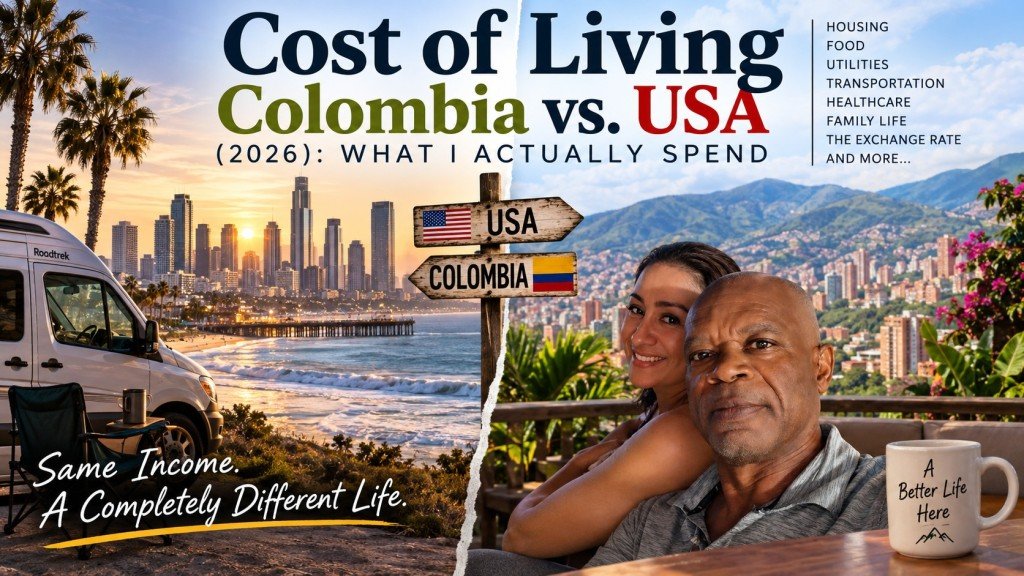
[…] Today, my life in Colombia looks completely different. […]
[…] Today, my life in Colombia looks very different. I rent a house, maintain a household, eat out regularly, travel and enjoy a lifestyle that would cost considerably more if I tried to duplicate it in many parts of the United States. […]