
Riding the Medellín Metro and Metrocable for the First Time
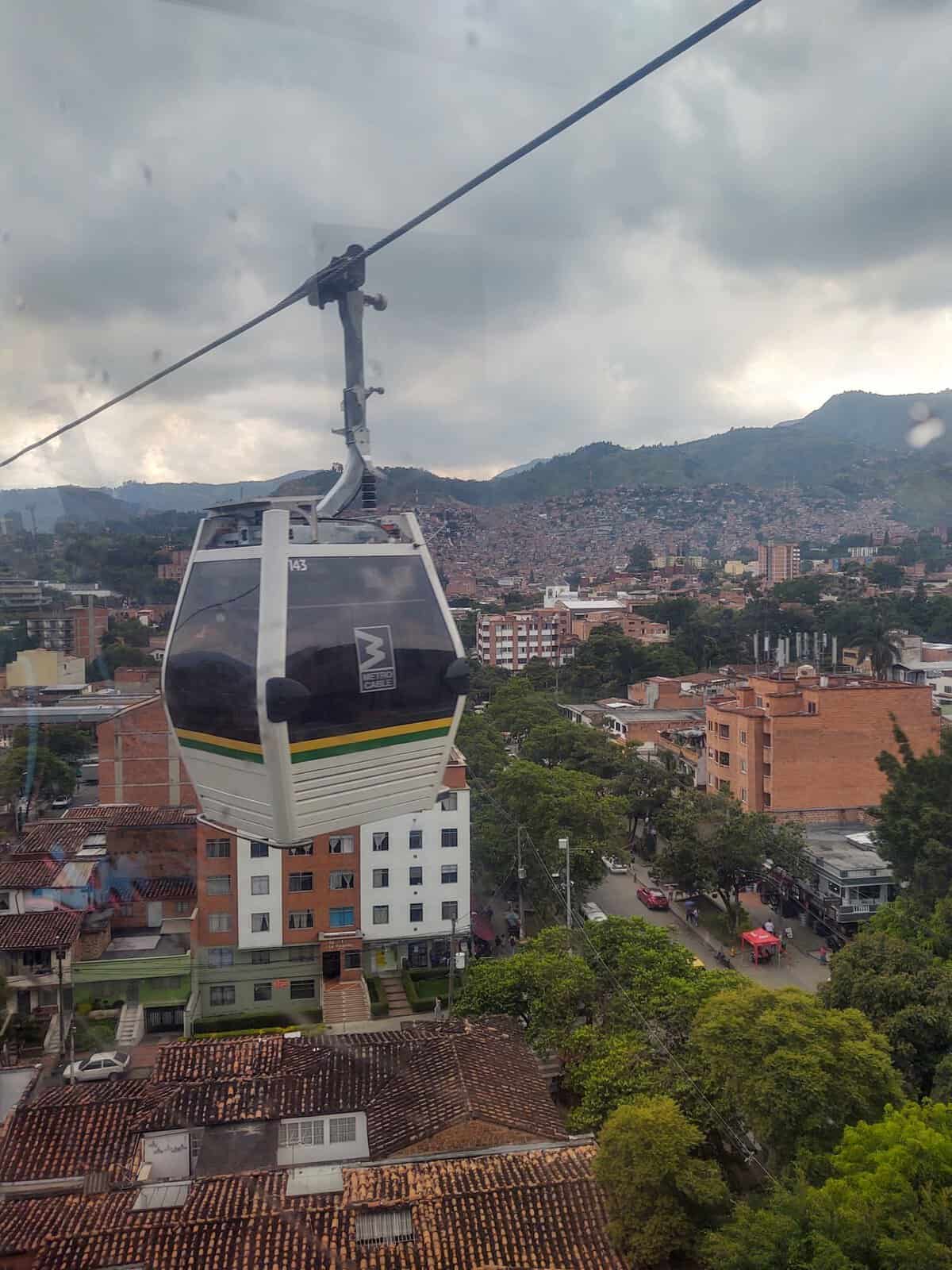
The Medellin Metro and Metrocable
One of the things that impressed me most during my first visit to Medellín wasn’t a tourist attraction at all—it was the city’s public transportation system.
Coming from Southern California, where driving is almost a necessity, seeing an entire city connected by clean trains, cable cars, trams, and buses was refreshing. More importantly, I quickly realized this wasn’t built for tourists. It was built for the people who live here.
Over three different trips, I experienced the Metro, Metrocable, and even the Ayacucho Tram. Each ride gave me a different perspective of Medellín and helped me become more comfortable exploring the city on my own.
My First Ride on the Medellín Metro
My first experience came after visiting Plaza Botero with a local guide.
Instead of calling an Uber or taxi, he suggested we take the Metro. Within minutes I understood why locals are so proud of it. The stations were clean, organized, and surprisingly quiet. People respected the rules, waited patiently for passengers to exit, and kept the trains remarkably clean.
For a first-time visitor, it was an easy system to understand.
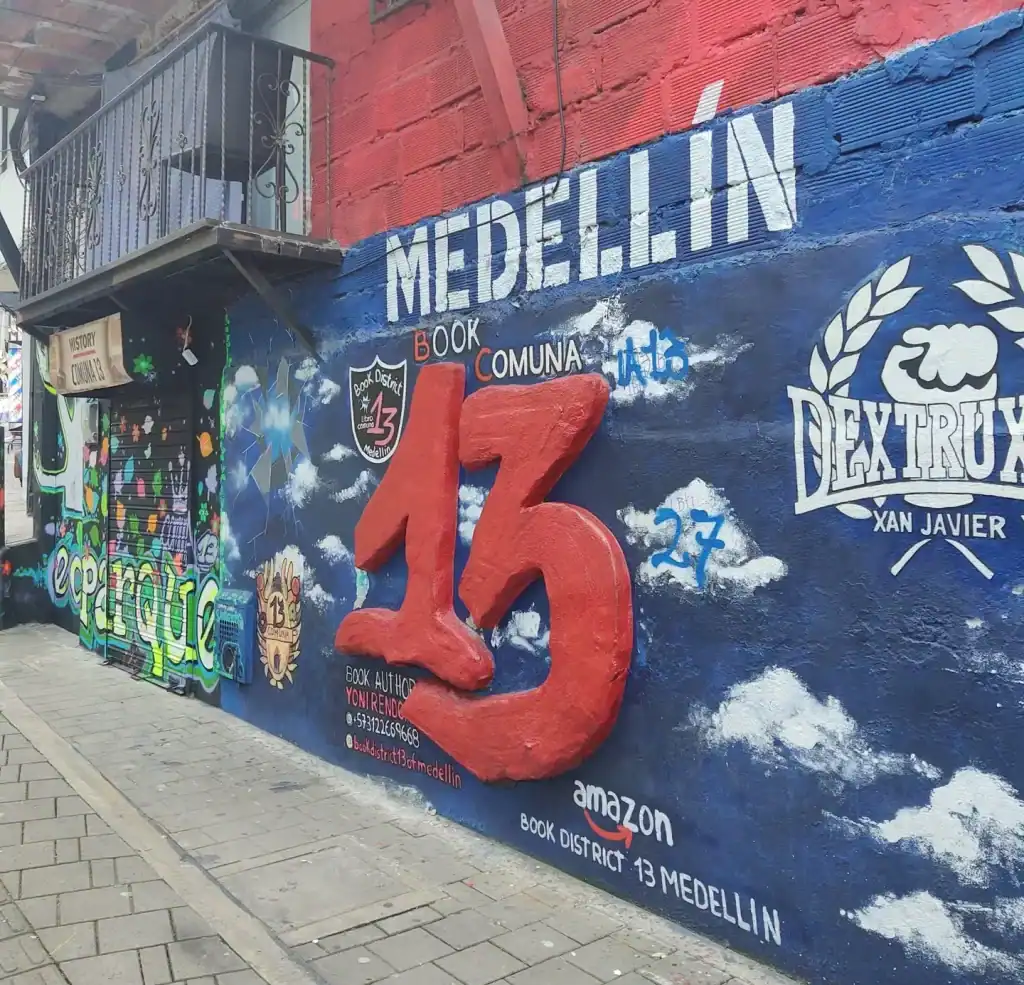
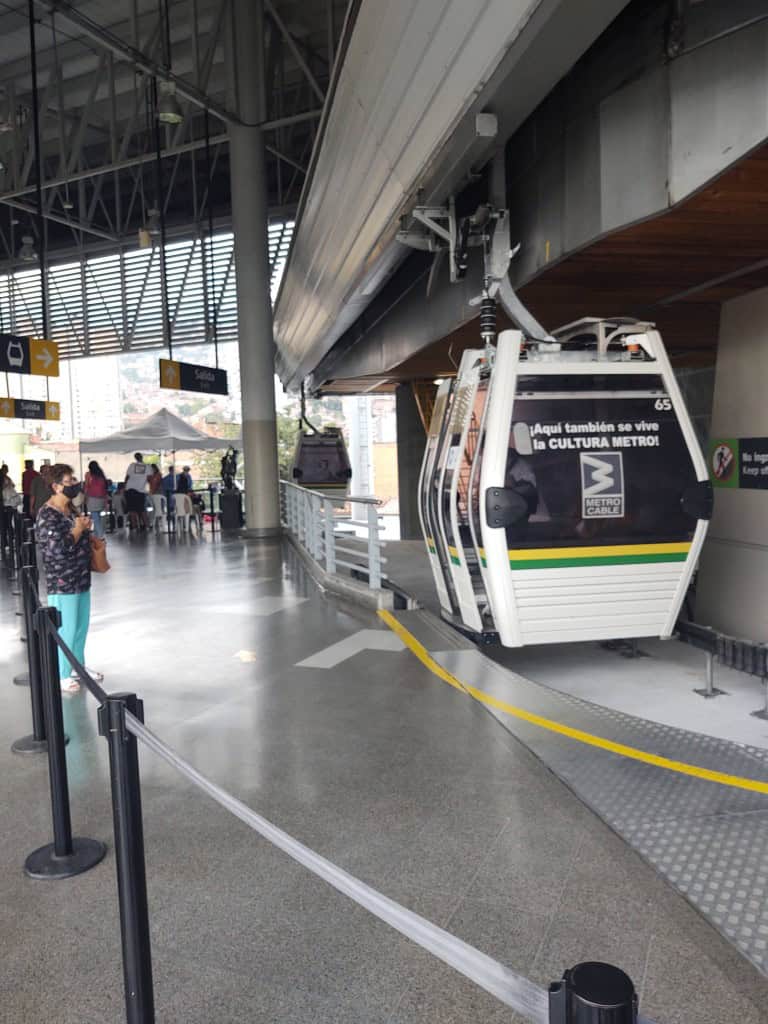
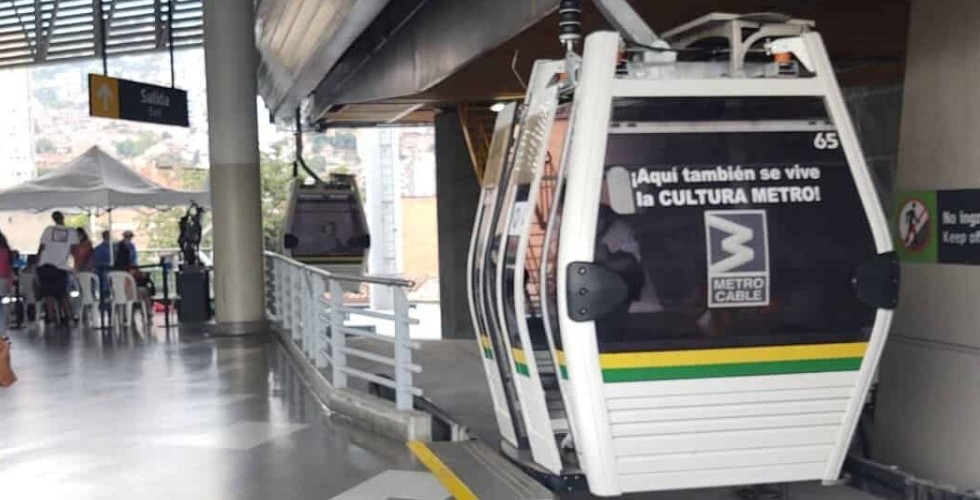
After riding the Metro, we transferred to the Metrocable and headed toward Comuna 13. Although many visitors arrive there by taxi, experiencing the cable cars gave me my first look at how Medellín connects neighborhoods built high into the surrounding mountains.
Looking down over the city while quietly gliding above rooftops was something I’ll never forget.
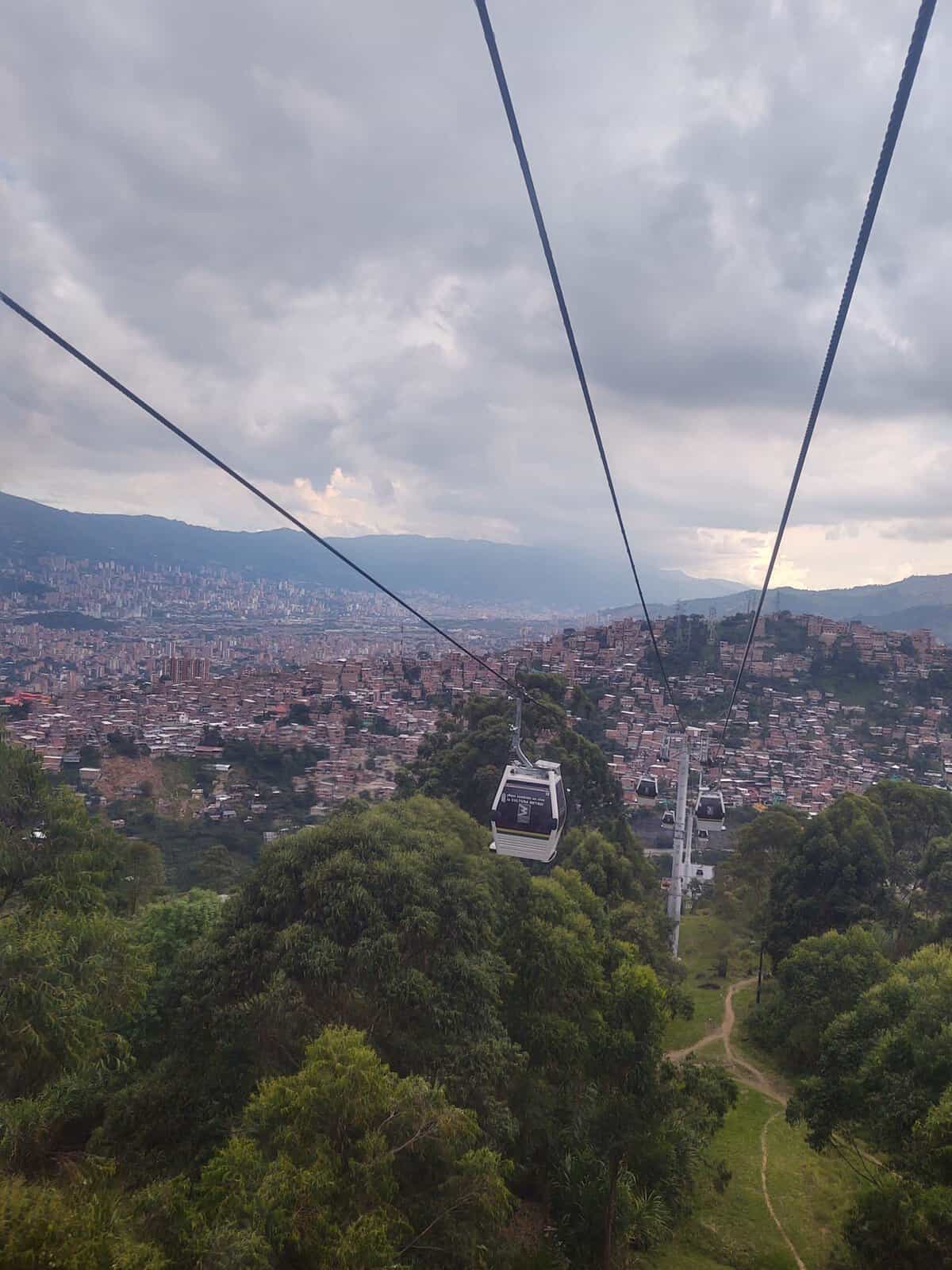
Discovering Another Side of Medellín
On a later trip, a local friend wanted to show me another part of the city.
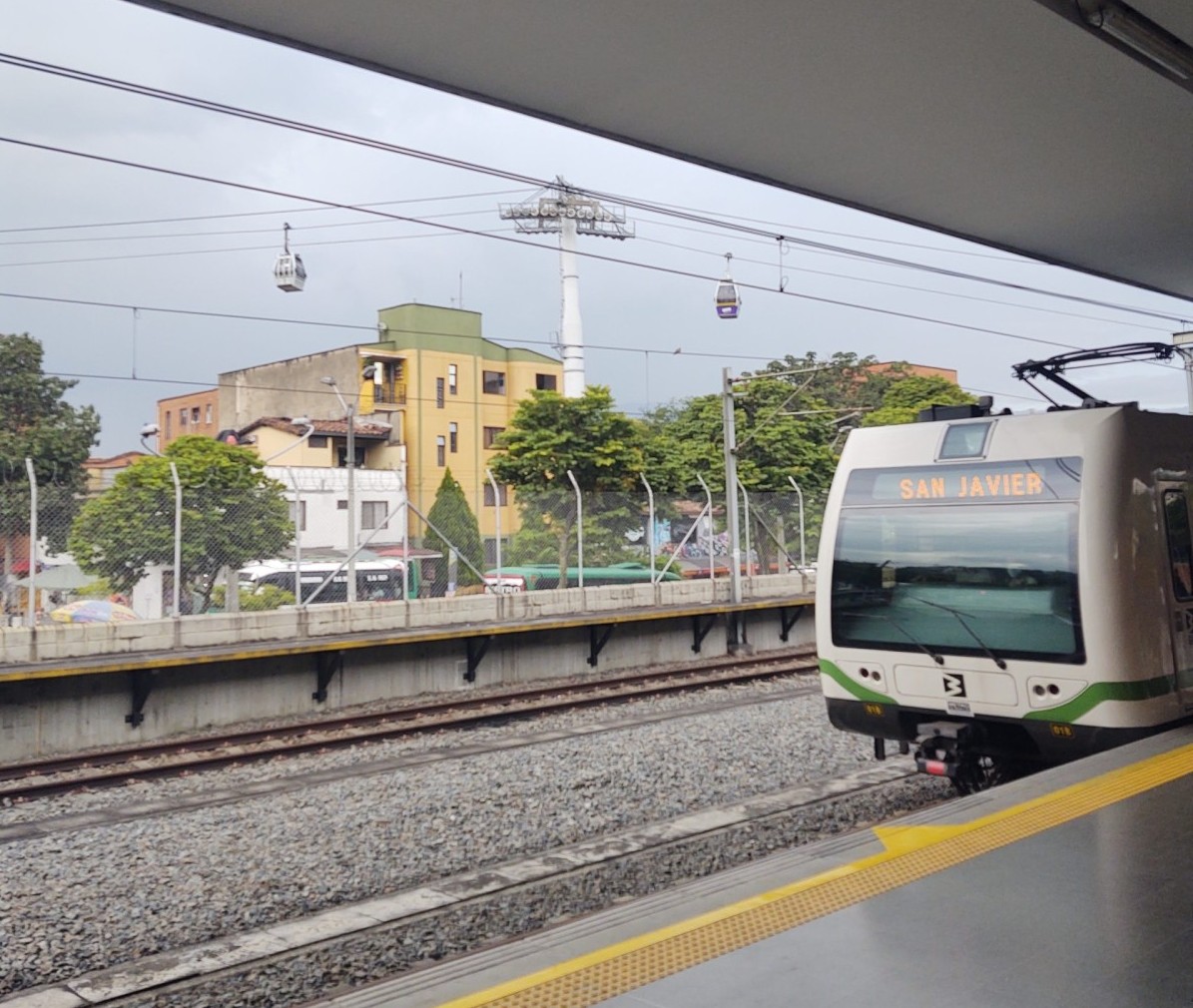
We started in El Poblado before taking the Metro to San Antonio Station. From there we transferred to the Ayacucho Tram and eventually boarded another Metrocable serving the eastern hillside communities.
This experience felt completely different.
Instead of tourists heading toward popular attractions, I found myself surrounded by students, workers, families carrying groceries, and children returning home from school.
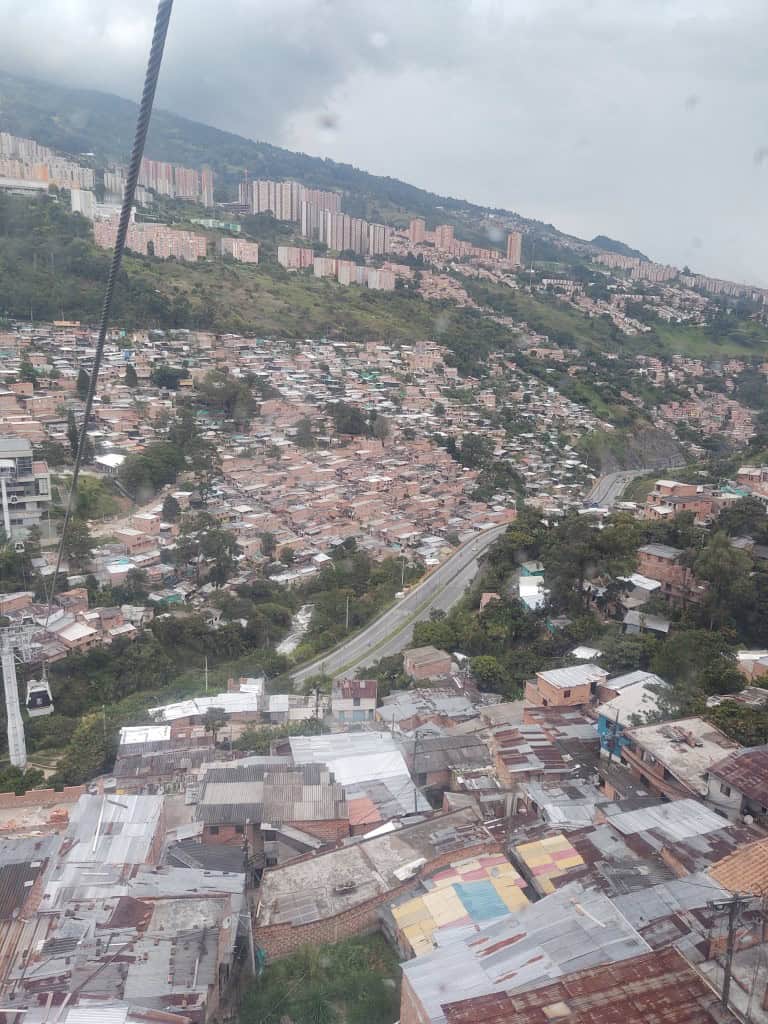
Looking through the windows, I watched colorful murals, narrow streets, and tightly packed brick homes spread across the hillsides. It reminded me that these cable cars aren’t tourist rides—they’re an important part of everyday life in Medellín.
After returning down the mountain, we spent the evening walking around the neighborhood, enjoying local restaurants and taking in a side of Medellín that many visitors never experience.
Becoming the Guide
By the time I returned with my girlfriend, who is now my wife, I was no longer nervous about using the Metro.
In fact, I became the guide.
Since it was her first visit to Medellín, I wanted to show her why I had become such a fan of the city’s transportation system.
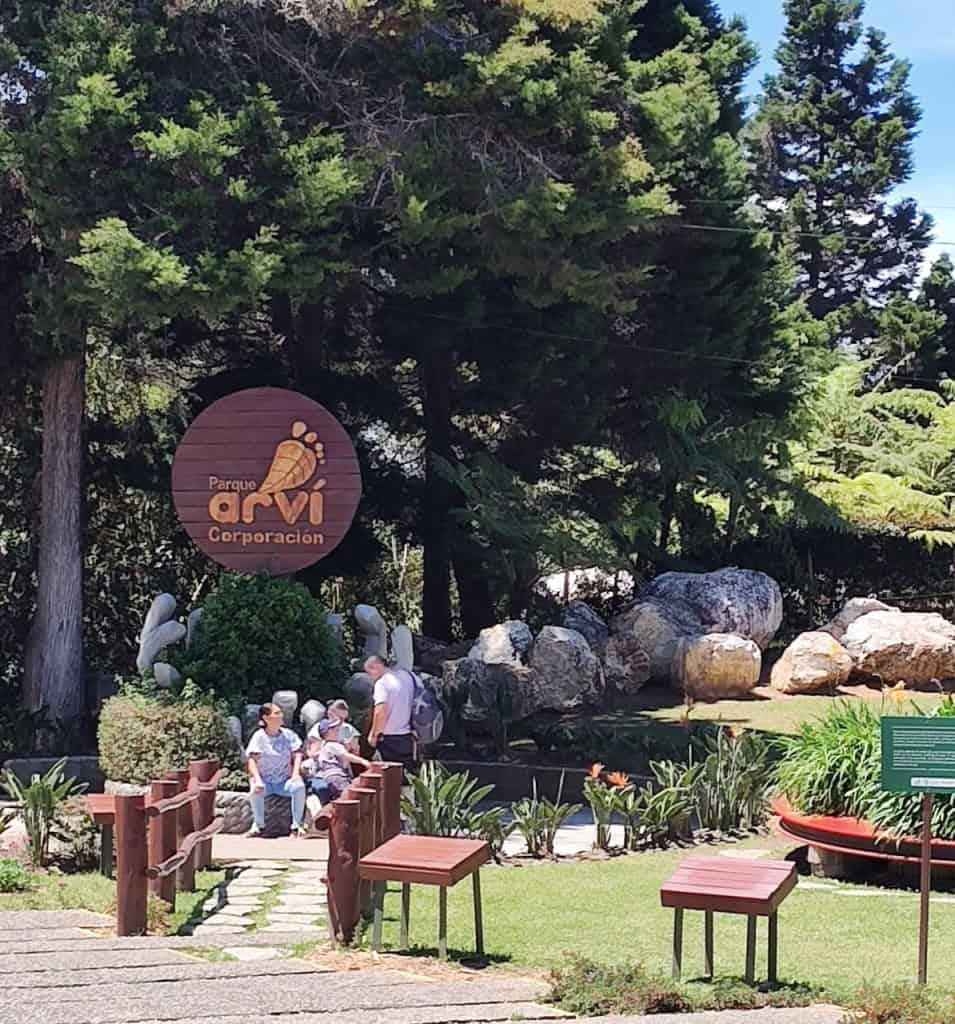
We walked from our hotel in El Poblado to Poblado Metro Station and made our way north to Acevedo Station. There we transferred to Metrocable Line K before changing again at Santo Domingo for Line L, the scenic cable car that leads to Parque Arví.
Unlike the neighborhood cable lines, Line L leaves the city behind. As we climbed higher into the mountains, the buildings slowly disappeared and were replaced by forests, rolling hills, and fresh mountain air.
It almost felt like leaving one destination and arriving in another.
Watching my wife experience the Metrocable for the first time reminded me of my own first ride years earlier.
More Than Just Transportation
Today, I don’t think of the Metro as simply a way to get from one place to another.
It became part of my Medellín experience.
Every ride introduced me to different neighborhoods, different people, and a better understanding of how this city works. Whether I was heading toward Comuna 13, exploring hillside communities with a local friend, or taking my wife to Parque Arví, the Metro connected every adventure.
If you’re visiting Medellín, I highly recommend riding the Metro and at least one Metrocable line.
You’ll save money, avoid traffic, experience the city like a local, and probably leave just as impressed as I was.
Cost and Helpful Tips
One of the best things about Medellín’s Metro system is how affordable it is. As of 2026, a typical Metro or Metrocable ride costs around 4,000 to 4,500 COP (about $1 USD) for occasional riders, and the same fare generally includes transfers between the Metro, Metrocable, Tram, and Metroplús without paying again, as long as you remain within the integrated system.
The exception is Metrocable Line L to Parque Arví, which requires a separate fare because it serves the nature reserve outside the city’s urban transit network. If you’re staying in Medellín for several days, consider purchasing a rechargeable Cívica card. It saves time at the stations and makes it easy to hop on and off one of the cleanest, safest, and most efficient public transportation systems in Latin America.
Final Thoughts
Some attractions become memorable because of what you see.
Others become memorable because of how you get there.
For me, riding the Medellín Metro and Metrocable wasn’t just transportation—it became one of my favorite experiences in the city and one of the reasons I continue recommending Medellín to travelers visiting Colombia for the first time.