
US Tourist Visa Interview in Bogotá: Our Experience and What to Expect
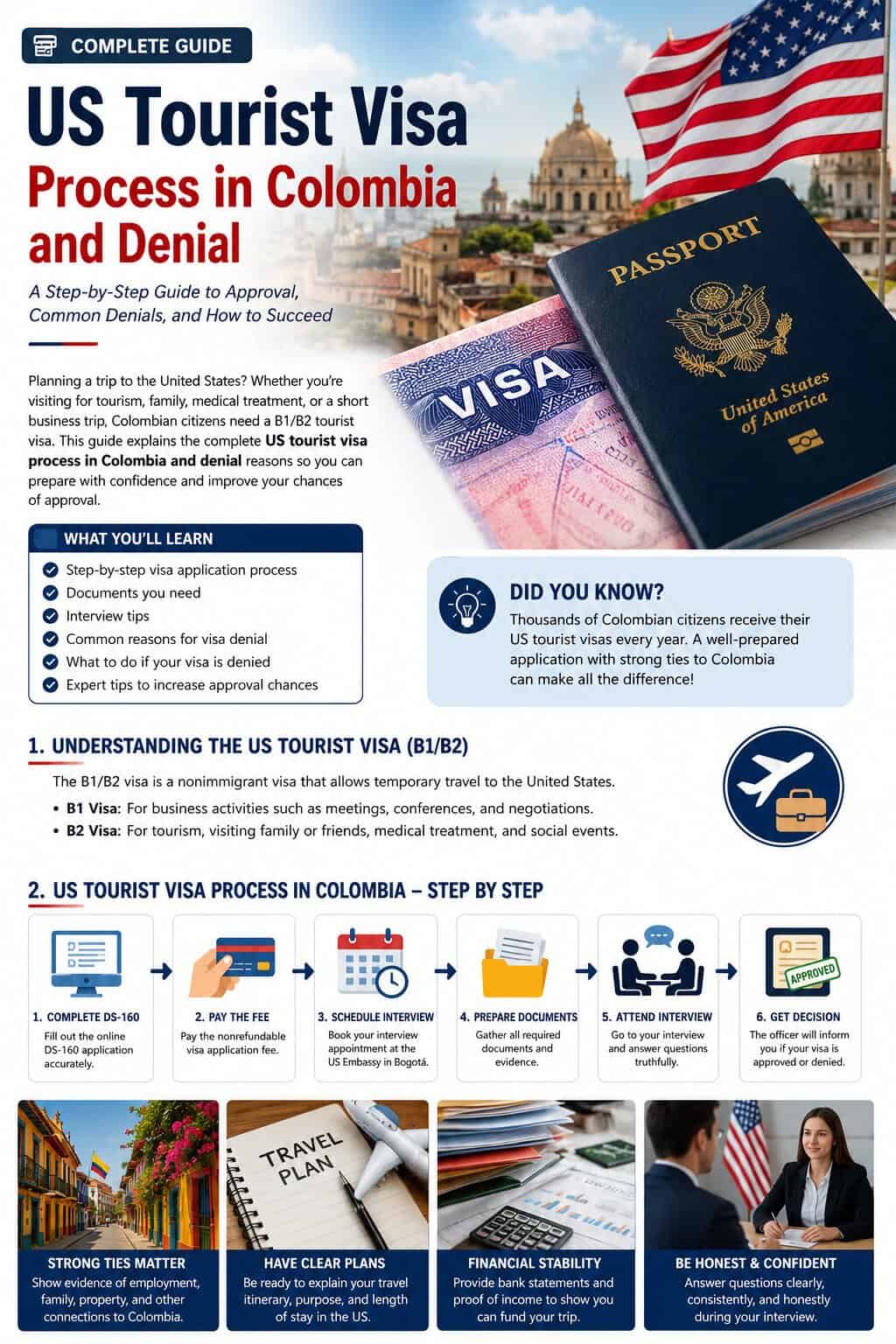
For many Colombians, obtaining a US tourist visa is a major goal. Whether the purpose is tourism, visiting family, shopping, or simply experiencing the United States, the process can feel intimidating before you actually go through it.
Recently, my wife and I traveled to Bogotá for her B1/B2 tourist visa appointment at the US Embassy. While the outcome wasn’t what we hoped for, the experience provided valuable insight into how the process works and what applicants can expect.
If you’re preparing for a US tourist visa interview in Bogotá, here’s what our experience looked like from start to finish.
Why We Traveled to Bogotá
Like many applicants outside the capital, we traveled to Bogotá specifically for the visa process.
The trip involved two separate appointments:
- CAS (Centro de Atención al Solicitante) biometric appointment
- US Embassy interview
Both are required for most first-time tourist visa applicants. The CAS appointment is completed before the embassy interview and collects fingerprints and photographs. Applicants are generally required to follow the appointment instructions provided through the scheduling system.
Because we were already in Bogotá, we decided to combine the process with a short visit to Villa de Leyva.
The CAS Appointment
The CAS appointment was straightforward and much less stressful than many people expect.
The process moved quickly.
Staff checked documents, collected biometrics, and took an updated photo.
The entire visit lasted only a short time.
One lesson we learned is that applicants should carefully protect their confirmation documents after the CAS appointment. Having printed copies available throughout the process can be helpful.
Overall, the CAS appointment was probably the easiest part of the entire visa process.
Preparing for the Embassy Interview
Like many couples, we spent time gathering documents.
We considered bringing:
- Marriage certificate
- Proof of income
- Travel history
- School enrollment records
- Evidence of family ties
- Financial information
The reality, however, is that tourist visa interviews are often decided based on the applicant’s answers and overall circumstances rather than the size of the document folder they bring.
The US Department of State notes that applicants should be prepared to explain the purpose of their trip and demonstrate their qualifications for the visa category requested.
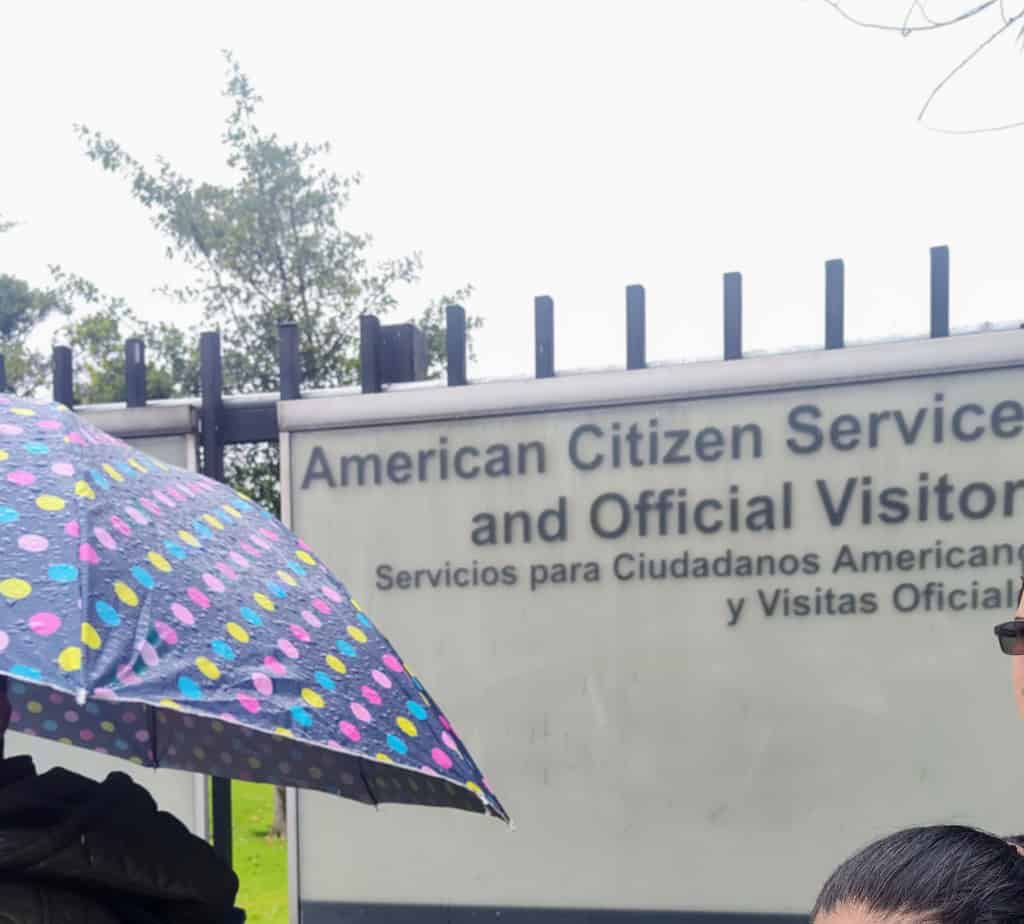
Arriving at the US Embassy
The embassy experience is highly organized.
Applicants are directed through security screening before entering the facility. Electronic devices and unnecessary items are generally not allowed inside, so it’s important to travel light. The embassy also advises visitors to bring only what is needed for the appointment.
Once inside, applicants move through a series of waiting areas before being called to a consular window.
The process feels more efficient than many people imagine.
The Actual Interview
One thing that surprised me was how quickly the interview took place.
After waiting far longer than the actual interview itself, my wife was called to the window.
The officer asked only a handful of questions.
Among the topics discussed were:
- Purpose of travel
- Length of intended stay
- Family situation
- Employment
- Education
- Previous travel history
The entire conversation lasted only a few minutes.
That may surprise applicants who spend weeks or months preparing detailed documentation.
The Outcome
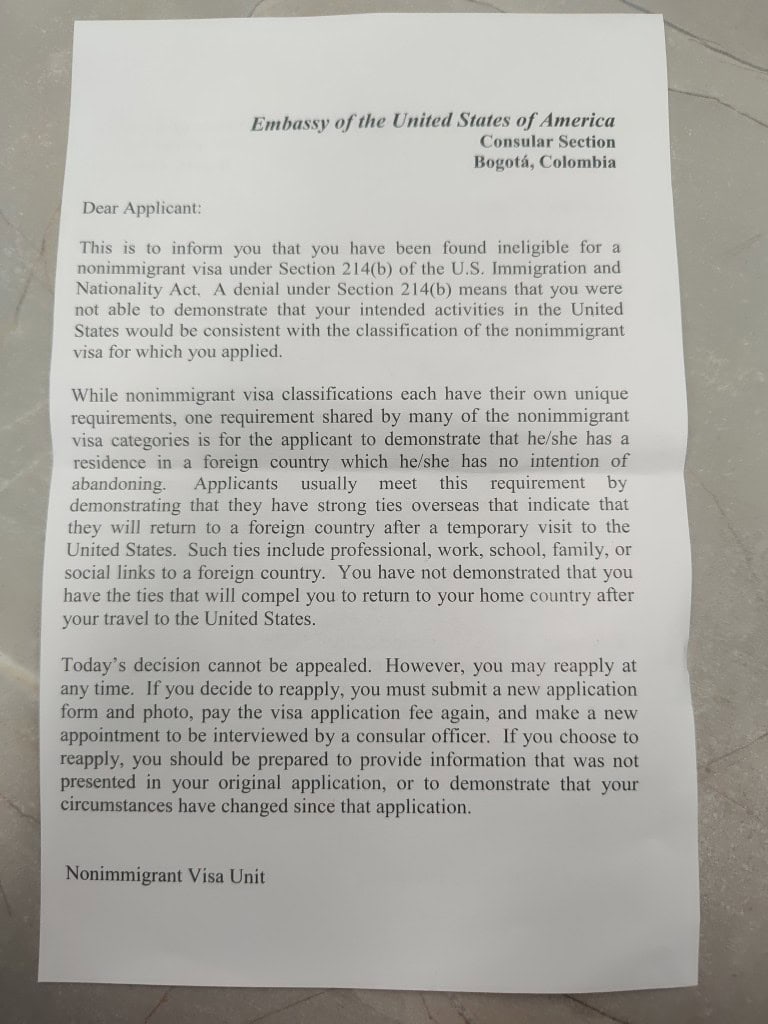
Unfortunately, the visa was denied.
While that was obviously disappointing at the time, it also reinforced something that many immigration attorneys and visa experts often explain:
A denial does not necessarily mean the applicant did something wrong.
It simply means the consular officer was not convinced the applicant met the requirements for that visa category at that particular time.
Under US law, tourist visa applicants must overcome the presumption of immigrant intent and demonstrate sufficient ties to their home country. The decision is ultimately made by the interviewing officer after reviewing the application and conducting the interview.
What We Learned
Looking back, there are several lessons that may help future applicants.
Keep Answers Clear and Direct
Visa interviews move quickly.
Long explanations can sometimes create confusion.
Simple, direct answers are usually best.
Know Your Travel Plans
Applicants should be able to explain:
- Where they plan to visit
- How long they plan to stay
- Who they will visit
- How the trip will be funded
Don’t Assume Documents Will Be Reviewed
Many applicants arrive carrying large folders.
In reality, some interviews involve little or no document review.
The officer may make a decision primarily based on the application and interview responses.
Stay Calm
The interview process can feel stressful.
Remember that the officers conduct these interviews every day.
Being honest, calm, and confident is generally the best approach.
Common Questions Applicants May Face
While every case is different, applicants are often asked questions about:
- Employment
- Income
- Family
- Travel history
- Purpose of travel
- Length of stay
- Previous US visa applications
The exact questions vary from person to person.
Is It Worth Applying?
Absolutely.
A denial can be disappointing, but it is not the end of the world.
Many applicants are approved on their first attempt.
Others apply again later after circumstances change.
The important thing is to approach the process realistically, understand the requirements, and present an honest application.
Final Thoughts
While our trip to Bogotá didn’t end with the approval we hoped for, it did provide a better understanding of how the US tourist visa process works.
The CAS appointment was simple.
The embassy process was efficient.
The interview itself was surprisingly brief.
And despite the denial, we left with valuable experience and a clearer understanding of the process.
If you’re preparing for a US tourist visa interview in Bogotá, my advice is simple:
Be prepared, be honest, stay calm, and remember that the interview is often much shorter than you expect.
Sometimes the journey itself teaches you as much as the outcome.
Check out more guides and stories:
- Bogotá Travel Guide
- Villa de Leyva Travel Guide
- 2 Days in Villa de Leyva
- Colombia Travel Guide
- Living in Colombia Guide
Sources
General visitor visa requirements and interview procedures are described by the U.S. Department of State and embassy guidance.