
The History and Success of Pollo Frisby in Colombia: From Small Pizzeria to National Icon
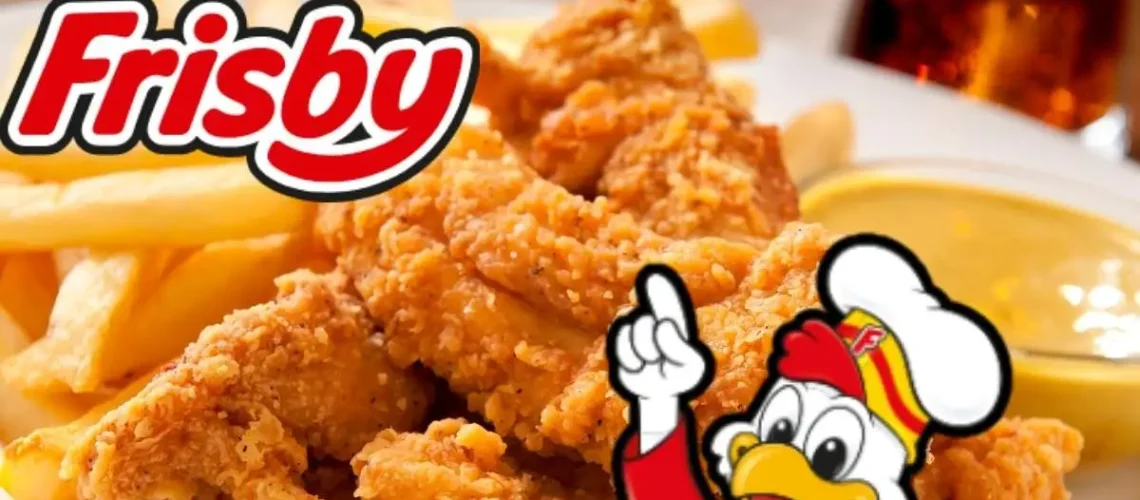
Pollo Frisby in Colombia
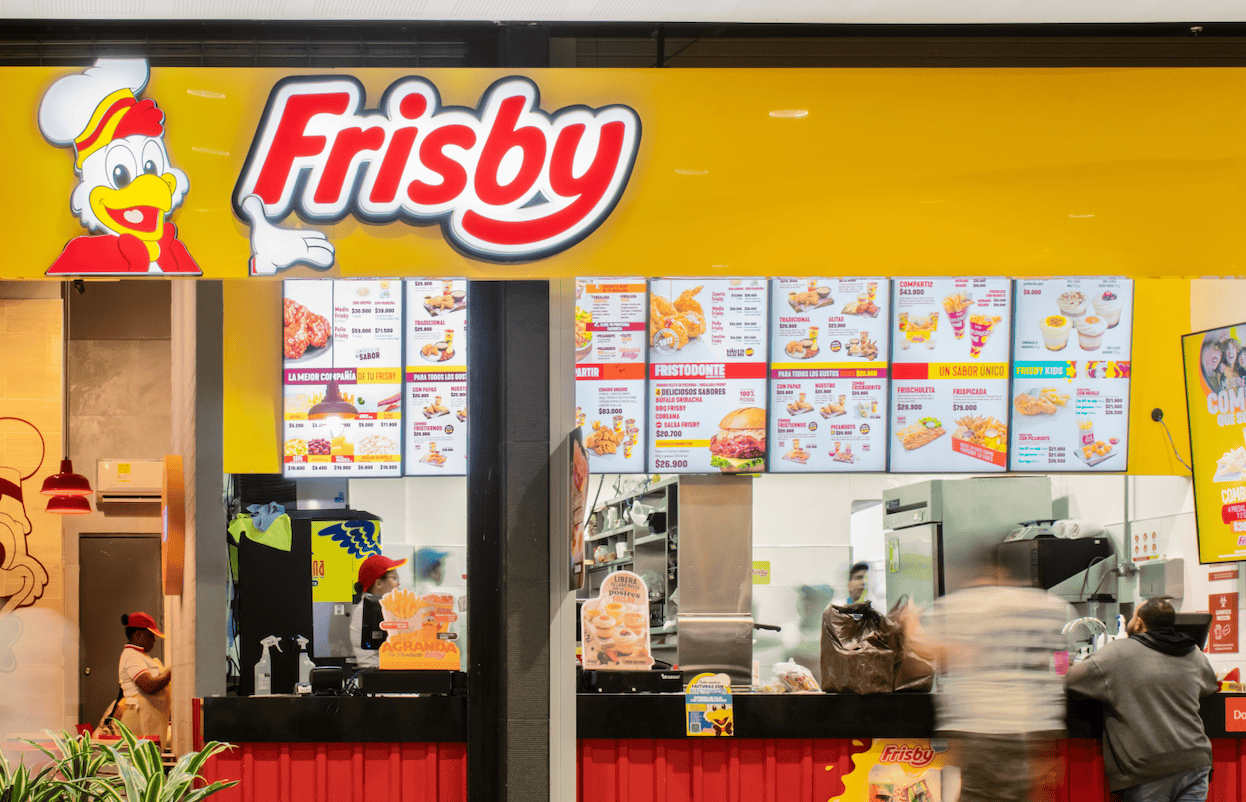
In Colombia, food is more than nourishment — it is culture, family tradition, and emotional memory. Few brands represent this idea better than Frisby The legendary fried chicken chain affectionately known by locals simply as Pollo Frisby in Colombia.
For many Colombians, birthdays, Sunday lunches, road trips, and late-night cravings all share one common denominator: the unmistakable flavor of crispy fried chicken served with honey. What began as a modest entrepreneurial experiment in the 1970s evolved into one of the most successful restaurant brands in the country — and even a symbol of national identity.
This article explores the full story of Frisby in Colombia: its origins, innovation, marketing genius, expansion, cultural impact, and why it continues to dominate the Colombian fast-food market.
The Origin: A Small Idea in Pereira (1977)
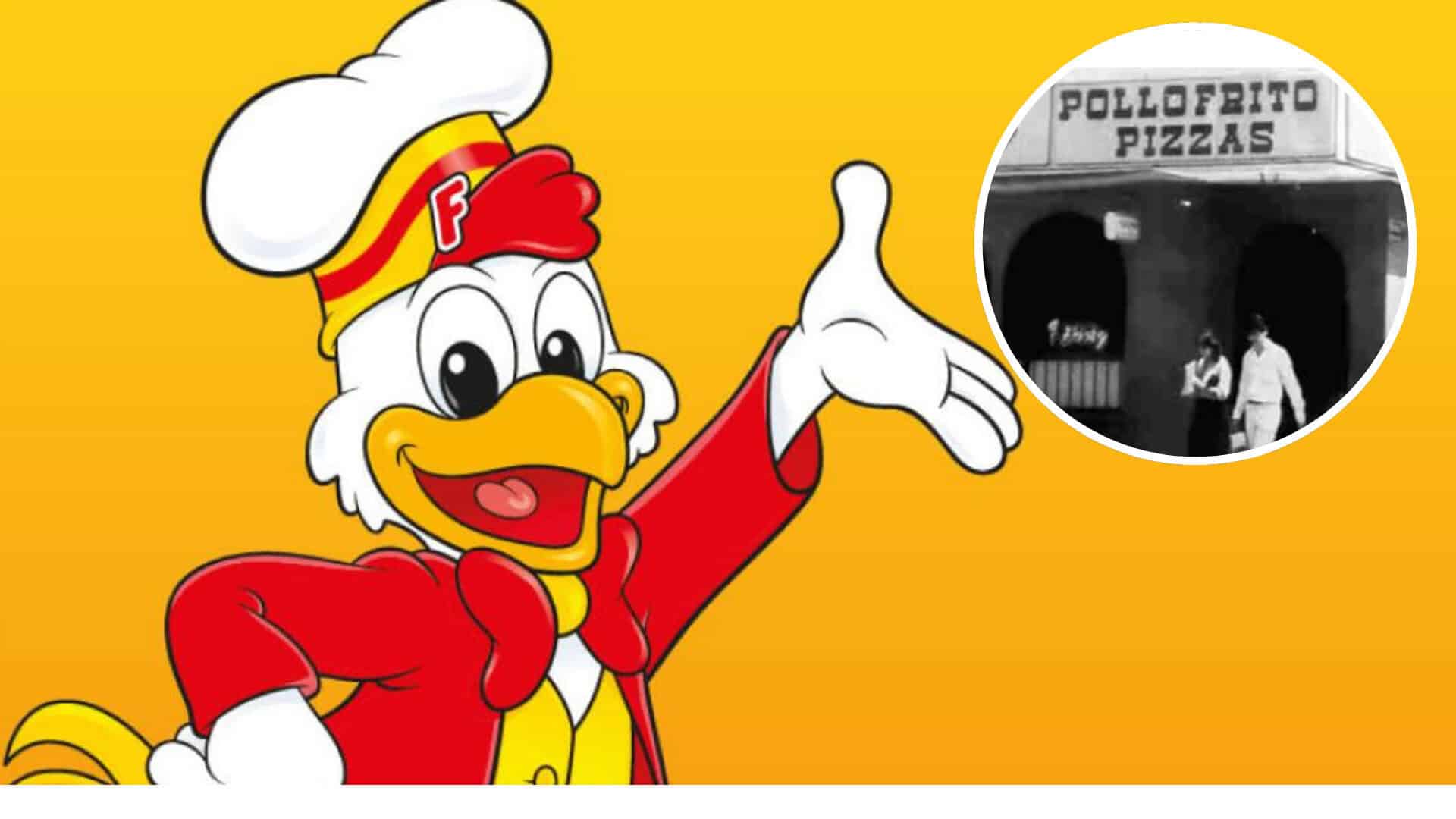
The story begins on June 12, 1977, in Pereira, located in Colombia’s Coffee Axis region. Entrepreneur Alfredo Hoyos Mazuera and his wife Liliana Restrepo opened a small pizzeria.
Their goal was simple: offer something new to local families.
At the time, pizza itself was still novel in many Colombian cities. But an unexpected experiment changed everything — they decided to add breaded fried chicken to the menu. The product was unusual in Colombia, where traditional preparations like roasted or stewed chicken were far more common.
Customers loved it immediately.
The fried chicken quickly outsold pizza and became the restaurant’s signature product. The founders pivoted their business model entirely — transforming the restaurant into a chicken-focused concept that would later reshape Colombian fast food.
Why the Name “Frisby”?
The name wasn’t originally about chicken at all.
While preparing pizzas, the owners would toss dough in the air — resembling a flying disc. Customers joked about it looking like a Frisbee, and the playful nickname stuck.
What began as a casual joke soon became one of the most recognizable brand names in Colombian gastronomy.
Ironically, the brand built around pizza would become Colombia’s most famous fried chicken chain.
The Birth of a New Market: Fried Chicken/Pollo Frisby in Colombia
In the late 1970s, Colombia didn’t yet have a major fried chicken industry.
Frisby pioneered it.
They introduced a broaster-style preparation — crispy outside, juicy inside — that Colombians had rarely experienced before. The novelty factor, combined with consistent flavor, made it revolutionary in the local food scene.
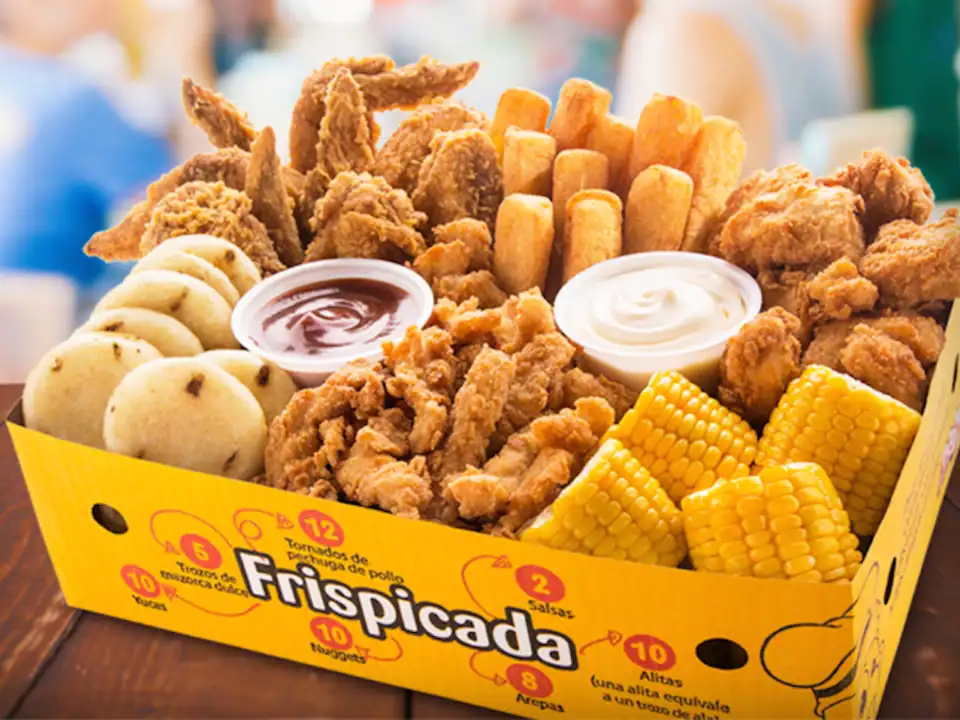
More importantly, the company localized the concept. Instead of copying American fast food, Frisby adapted it to Colombian taste preferences:
Sweeter flavor profile
Honey pairing (a signature feature)
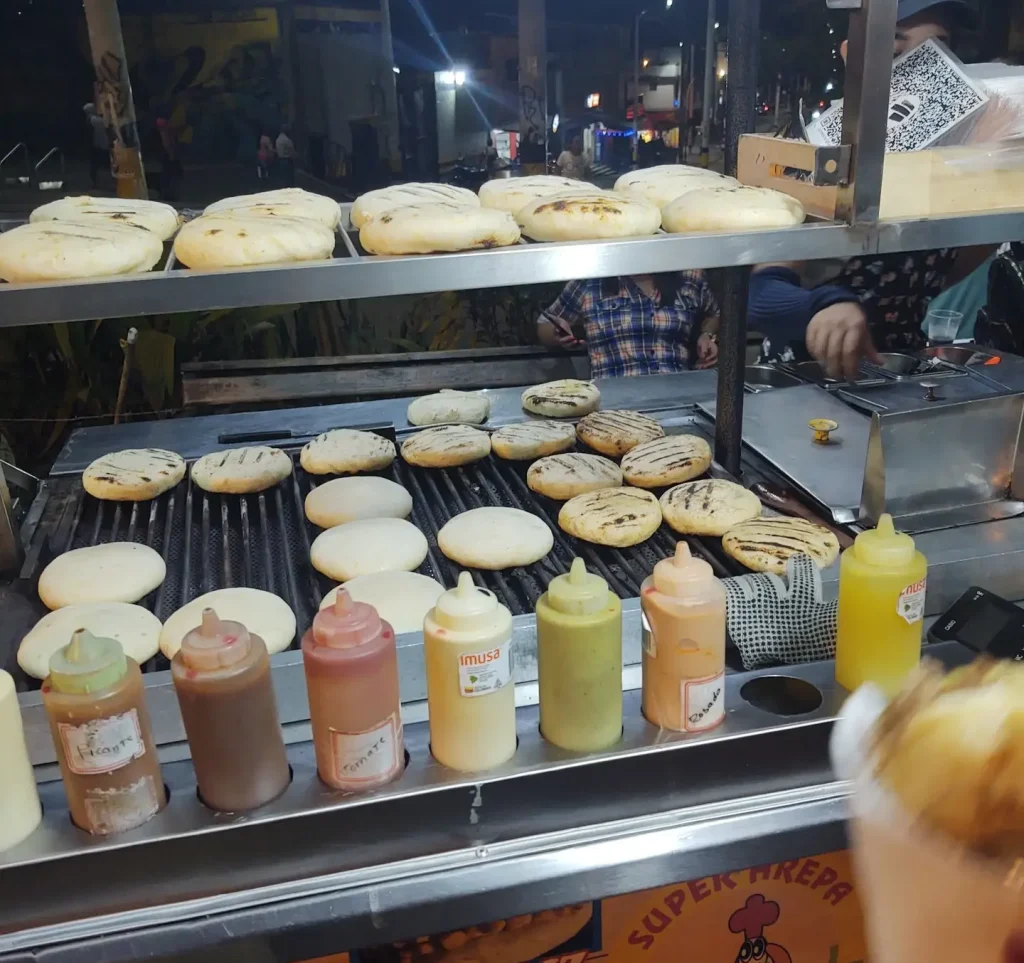
Arepas and regional sides
Family-size meals for sharing
This approach would later become the foundation of their success.
Early Expansion Across Colombia (Late 1970s–1990s)
After rapid popularity in Pereira, expansion began quickly.
1978 – Coffee Region Growth
Within a year, the company opened locations throughout the Coffee Axis — cities like Manizales and Armenia.
1987 – Arrival in Bogotá
Opening in the capital marked Frisby’s transition from regional favorite to national brand.
1990 – Expansion to Medellín
With presence in Colombia’s three largest urban markets, Frisby had officially become a major player in the restaurant industry.
By the early 1990s, the company was no longer just a restaurant — it was becoming a household name.
Branding Genius: The Mascot That Built Emotional Connection
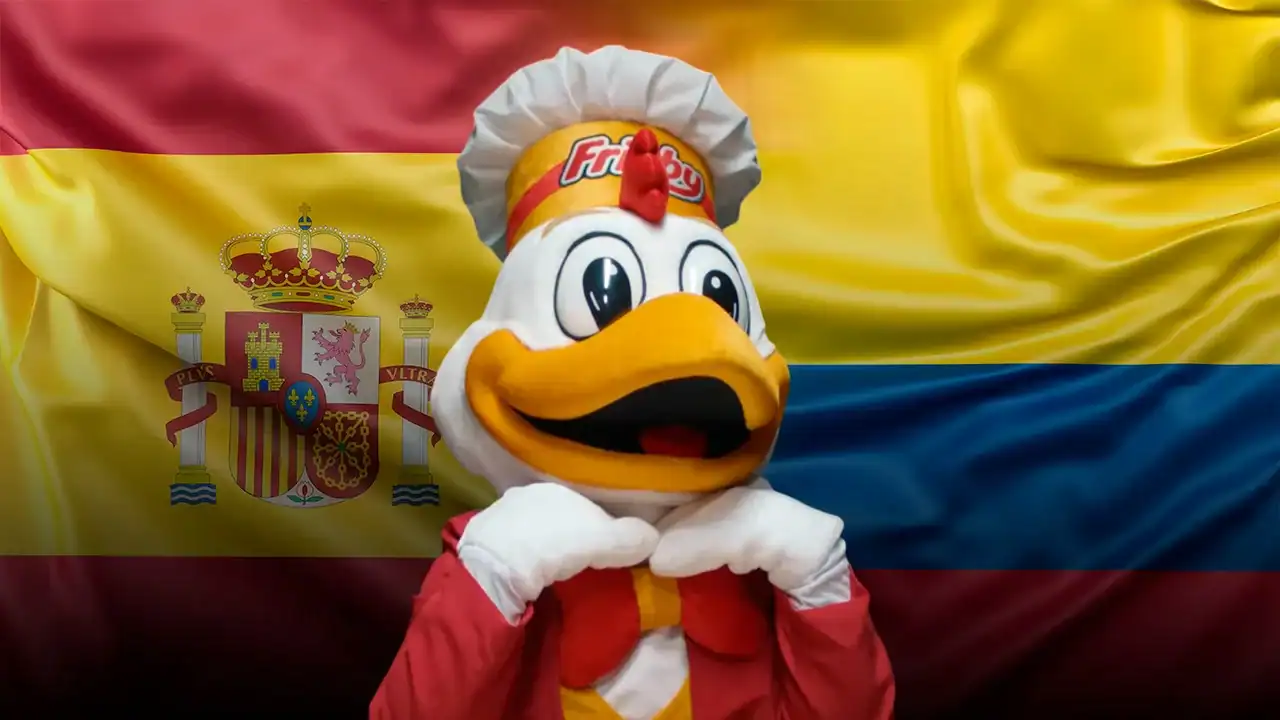
One of the smartest decisions Frisby made was building a personality around the brand.
Instead of marketing only food, they marketed feelings.
The smiling chicken mascot became a childhood memory for millions of Colombians. Their advertising emphasized:
Family gatherings
Happiness
Sharing meals
Colombian identity
This emotional branding strategy created loyalty far stronger than price competition.
In Colombia, people don’t just “eat fast food” — they “go for Frisby.”
Competing Against International Giants
When multinational chains entered Colombia, many expected them to dominate. Instead, Frisby thrived.
The company succeeded because it understood a critical principle:
Localization beats imitation.
While foreign chains offered standardized global menus, Frisby stayed culturally Colombian:
| Foreign Chains | Frisby |
|---|---|
| Individual portions | Family sharing meals |
| Savory spices | Sweet-savory flavor |
| Global branding | National identity |
| Standardized experience | Emotional familiarity |
By 2024, Frisby reported revenues exceeding those of major competitors in Colombia’s fried chicken market.
Massive National Expansion
Today Frisby operates:
Over 260–270 restaurants
Presence in 50+ cities
Thousands of employees
Approximately 25% market share in its category
This scale places it among the largest restaurant chains in Colombia — and the most successful domestic fast-food brand.
More Than Food: Cultural Symbol of Colombia
Frisby became part of Colombian identity.
For many people, it represents:
Childhood memories
Road trips
Celebrations
Family Sundays
Even competitors have acknowledged its cultural importance during public events and national conversations.
The brand is not just commercial — it is emotional.
Innovation and Continuous Reinvention
A major reason Frisby remains relevant after nearly 50 years is adaptation.
Menu Evolution
The company introduced:
Chicken sandwiches
Bowls and salads
Combo meals
Limited-time promotions
Operational Innovation
Investment in infrastructure, technology, and logistics has supported expansion and consistency nationwide.
Social Responsibility
Through its foundation, the company funds education and community programs, reinforcing positive brand perception.
The International Trademark Battle (Modern Era)
In recent years, Frisby entered a legal dispute in Europe when a separate company attempted to operate using the same name and branding.
The case triggered massive support from Colombians and even other corporations — showing how deeply the brand is rooted in national identity.
The situation highlighted something unusual:
Frisby isn’t just a restaurant — Colombians defend it like heritage.
Why Frisby Succeeded Where Others Failed
1. Cultural Adaptation
Instead of copying foreign fast food, they Colombianized fried chicken.
2. Emotional Marketing
Advertising sold family connection, not calories.
3. Consistency
Customers know exactly what they’ll taste every visit.
4. Expansion Strategy
They expanded slowly and intelligently — region by region.
5. National Pride
The brand positioned itself as Colombian, not imported.
Economic Impact in Colombia
Frisby contributes significantly to the national economy:
Thousands of direct jobs
Local supply chains
Agricultural demand (poultry industry)
Infrastructure investment
In many cities, a new Frisby location becomes a commercial anchor for surrounding businesses.
The Future of Frisby
The company plans to expand internationally, including potential entry into Latin America and beyond.
If successful, it could become Colombia’s first globally recognized fast-food export — similar to how other countries exported their culinary icons.
Conclusion: More Than Chicken
Pollo Frisby’s story is not simply about fried chicken.
It is about entrepreneurship, adaptation, and cultural connection.
From a single pizzeria in Pereira to a national powerhouse, Frisby succeeded because it understood something many global corporations overlook:
People don’t fall in love with food — they fall in love with memories attached to it.
Frisby built those memories for generations of Colombians.
And that is why it remains not just successful, but beloved.